Archive | Travel RSS feed for this section

The week that was…in Whitby

7 May

7 May 2026.

The first sign that something was up in Whitby appeared when we changed trains in Middlesbrough, Yorkshire. Half-a-dozen young people dressed in black, Victorian-inspired attire looked out-of-place among the travelers in casual Saturday clothes, taking their dogs to walk the paths of the Esk River Valley. Of course, Whitby, with its abbey ruins, evocative atmosphere, and local stories, was Bram Stoker’s inspiration for his famous work, “Dracula” when he visited here in 1890.

Today, Whitby, a British seaside resort town on the edge of the North York Moors National Park, hosts twice-a-year Goth Weekends, and the faithful flock here dressed to kill. Arriving at the station we found hundreds of Goth-dressed observers here to honor the legend. 80-year-olds in expensive, custom apparel rub shoulders with families with young children in suitable garb and teenagers in thrift store castoffs and elaborate makeup. Luckily, the weather on Saturday was perfect for promenading through town and making the pilgrimage trek up the 199 steps to the abbey.

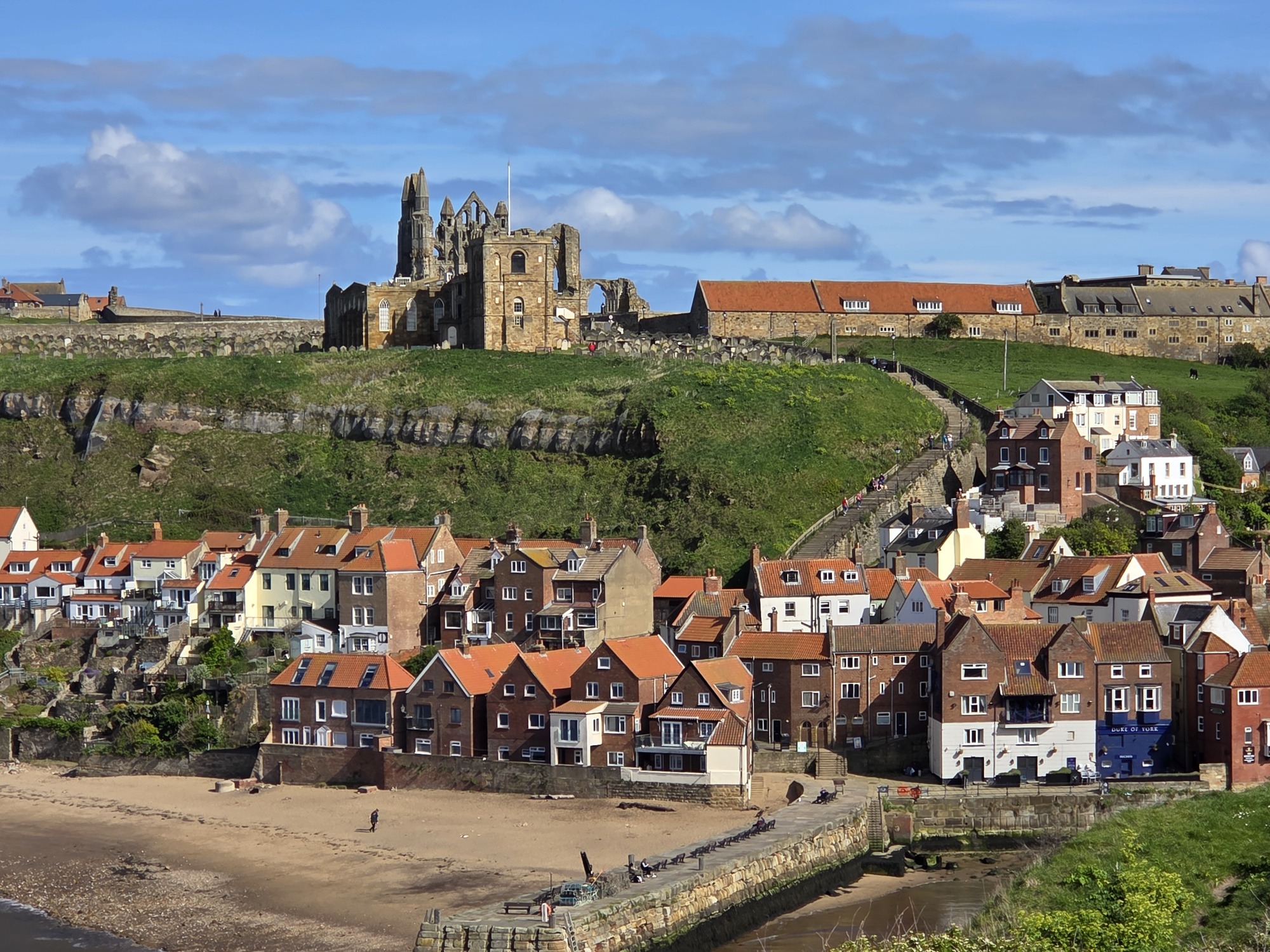
View of the Whitby Abbey ruins with brooding St. Mary’s Church in front. Note the long — 199 steps — staircase. Yup, we climbed it with our rubbery, flatlander live-in-a-house-without-stairs knees.

The steps would have to wait. We had only just arrived by the scenic train through the Esk River Valley. It was a long and eventful travel day: London to York by lovely first-class train with a stressful change to a bus from York to Middlesbrough. The train was late and the planned bus left five minutes before we arrived at the stop, which was a quarter mile trudge with luggage from the train station. Our connection in Middlesbrough threatened to become a four-hour delay but the train service LNER fortuitously added an extra bus as it was a heavy travel day in a Bank holiday weekend. All of England was on the move!

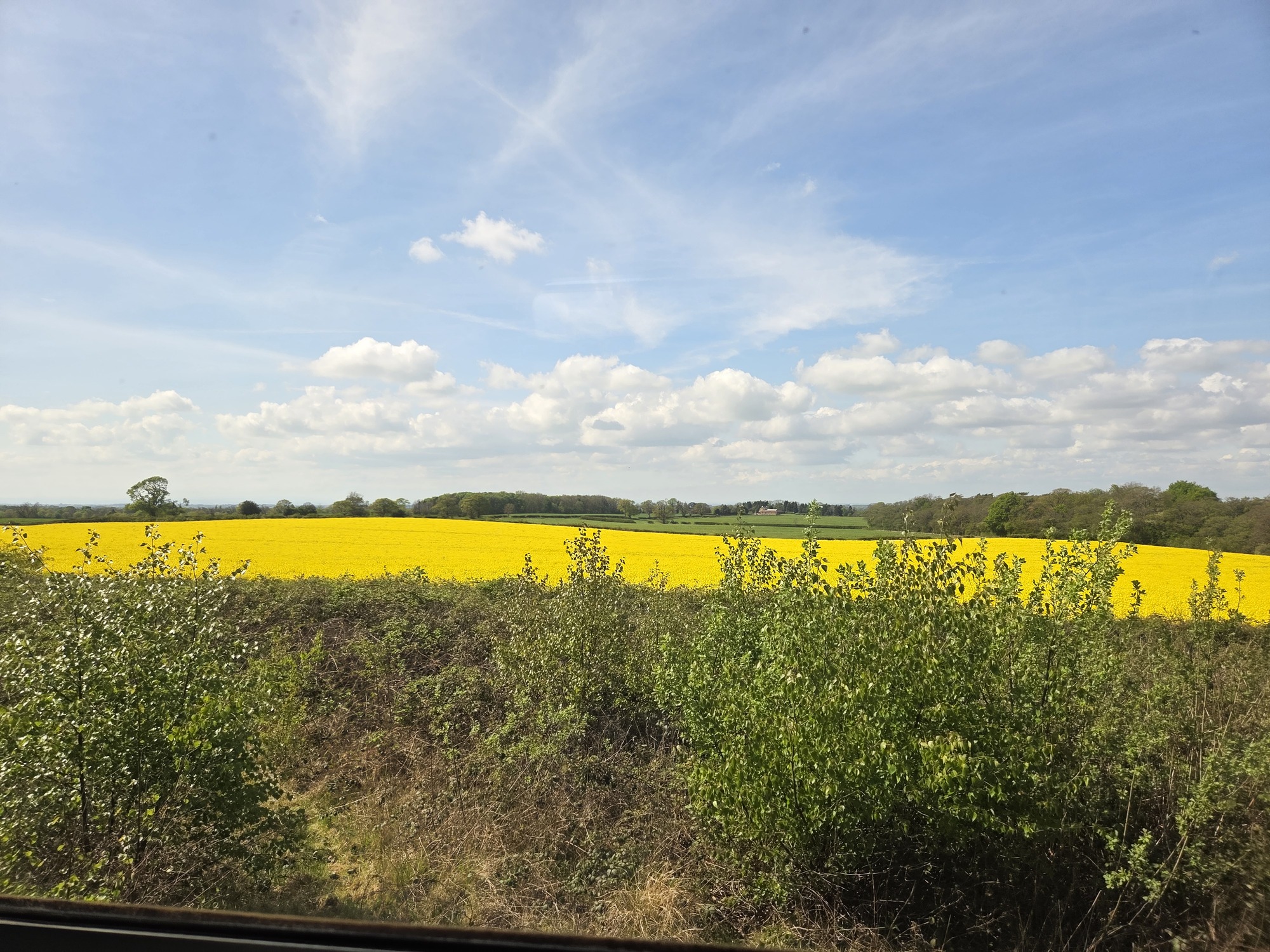
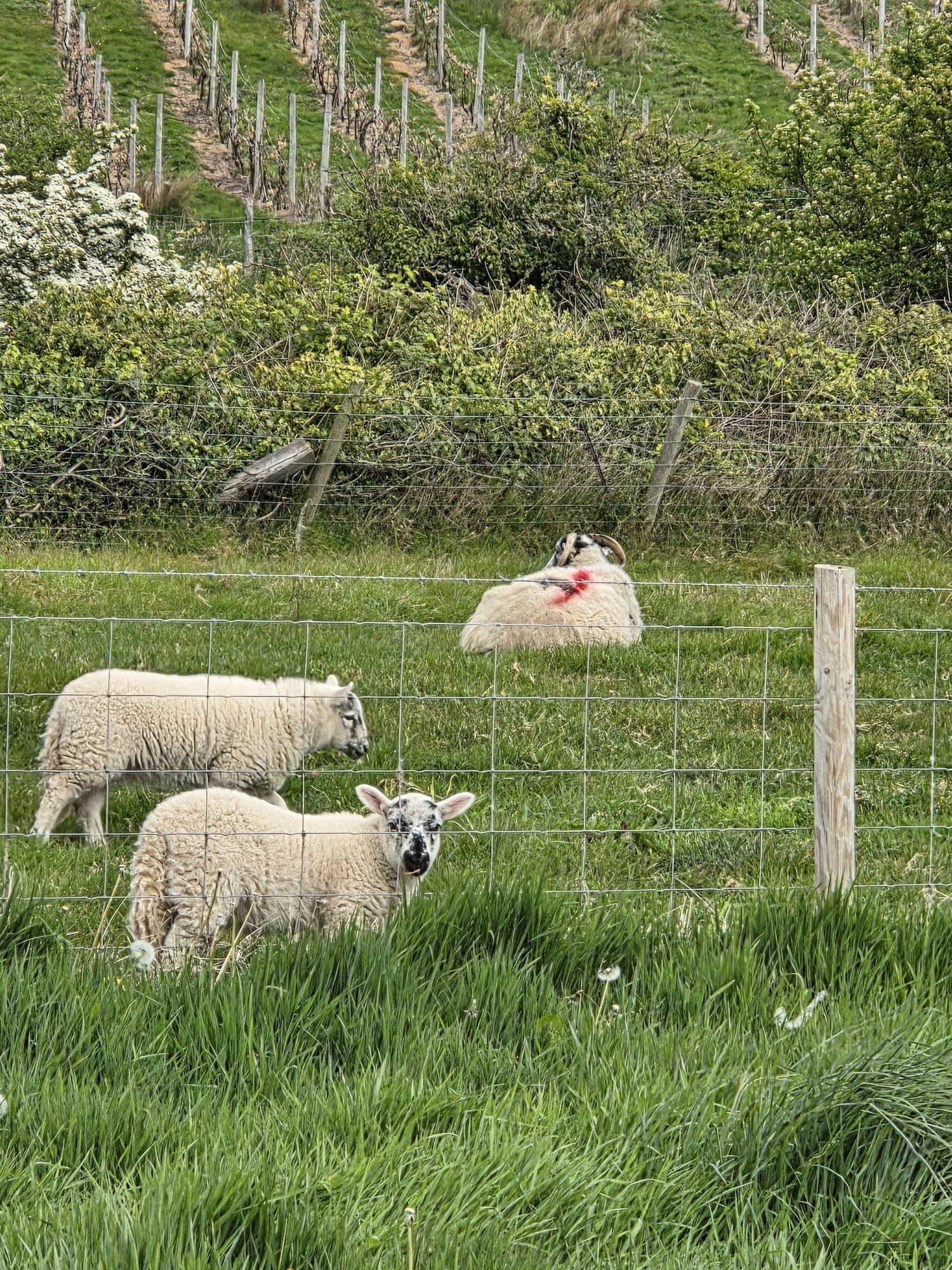
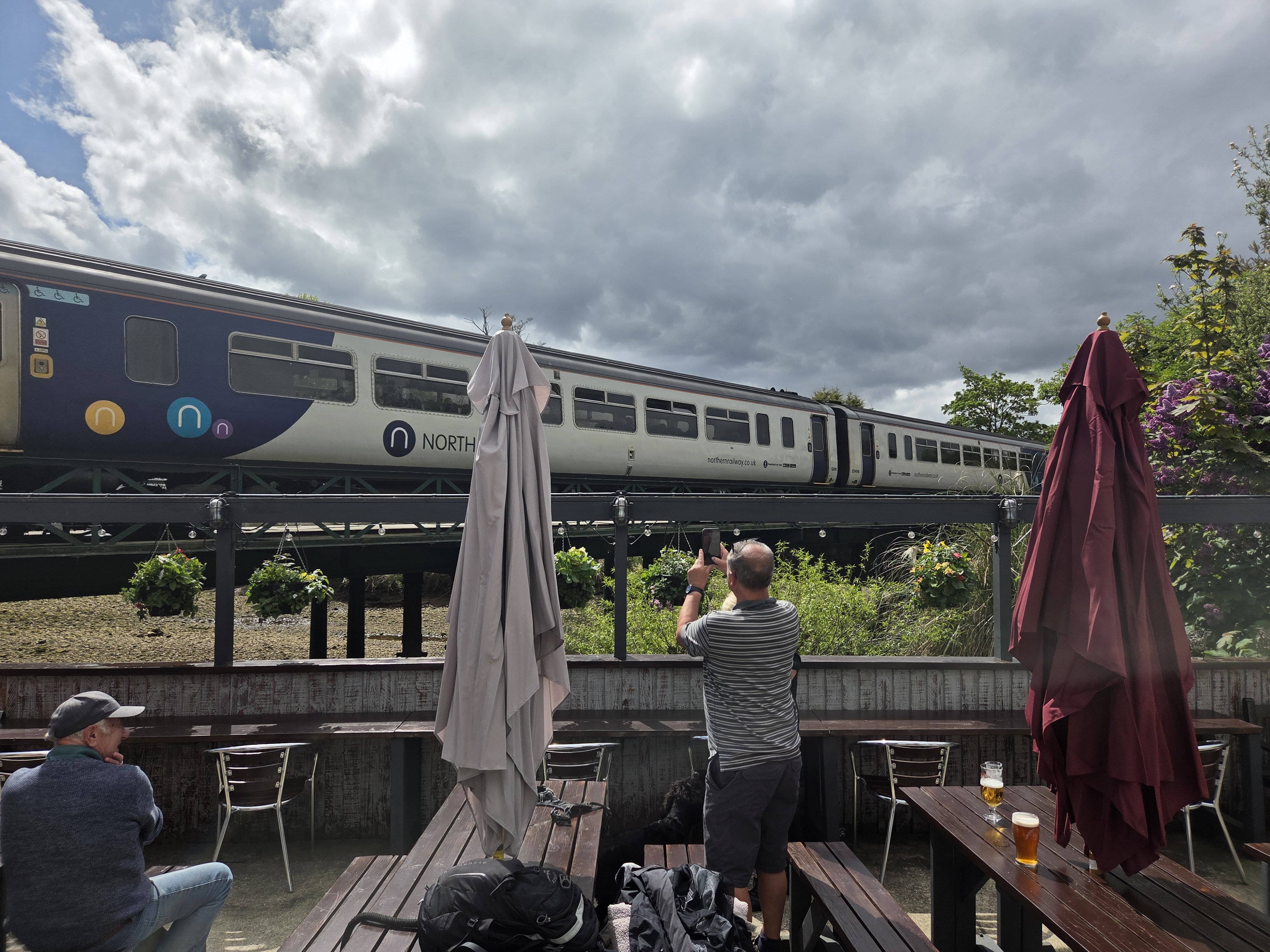
A two-plus hour bus ride is not a choice we make if it is possible to avoid. Work on the rail line to Whitby caused the routing. Availing ourselves of seats at the front of the bus and had a splendid view of little villages and quaint farms, and the unintelligible commentary of the driver. Overall, it was not bad. The subsequent train ride to Whitby was delightful! Bouncing new lambs in verdant fields; hedgerows and dry-stone walls criss-crossing the countryside; canary-yellow fields of rapeseed; walkers and their dogs enthusiastically boarding the train after their treks.

We are passing a week in Whitby. There is ancient history here: the original abbey was founded as a monastery in the 7th century. The Vikings destroyed it, but the Benedictines resurrected the site as an abbey in 1078, after the Norman Conquest. We can thank Henry VIII for destroying the abbey during his war on Catholicism creating picturesque ruins. Most infamously, the abbey was Bram Stoker’s vision for his novel.

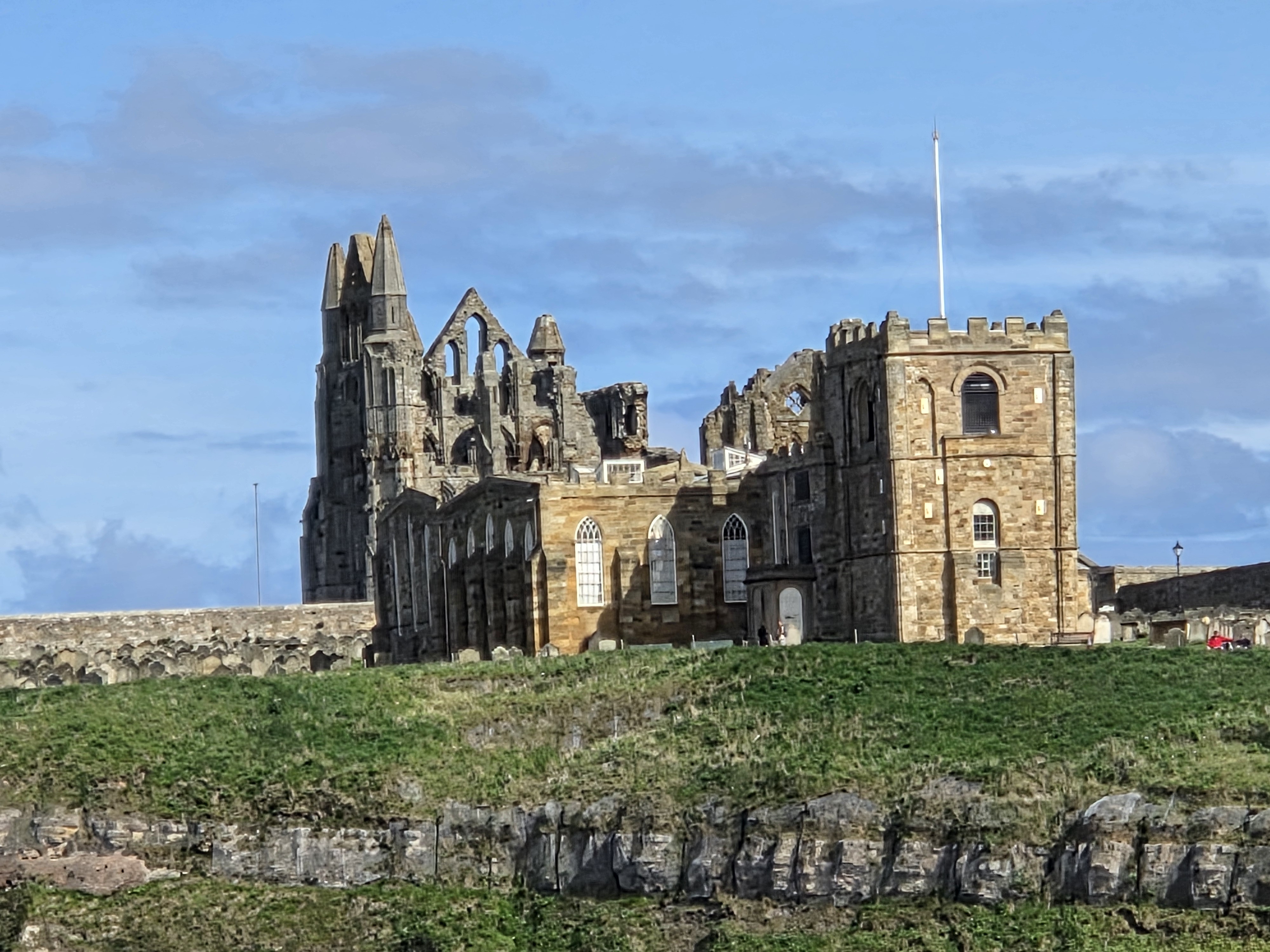
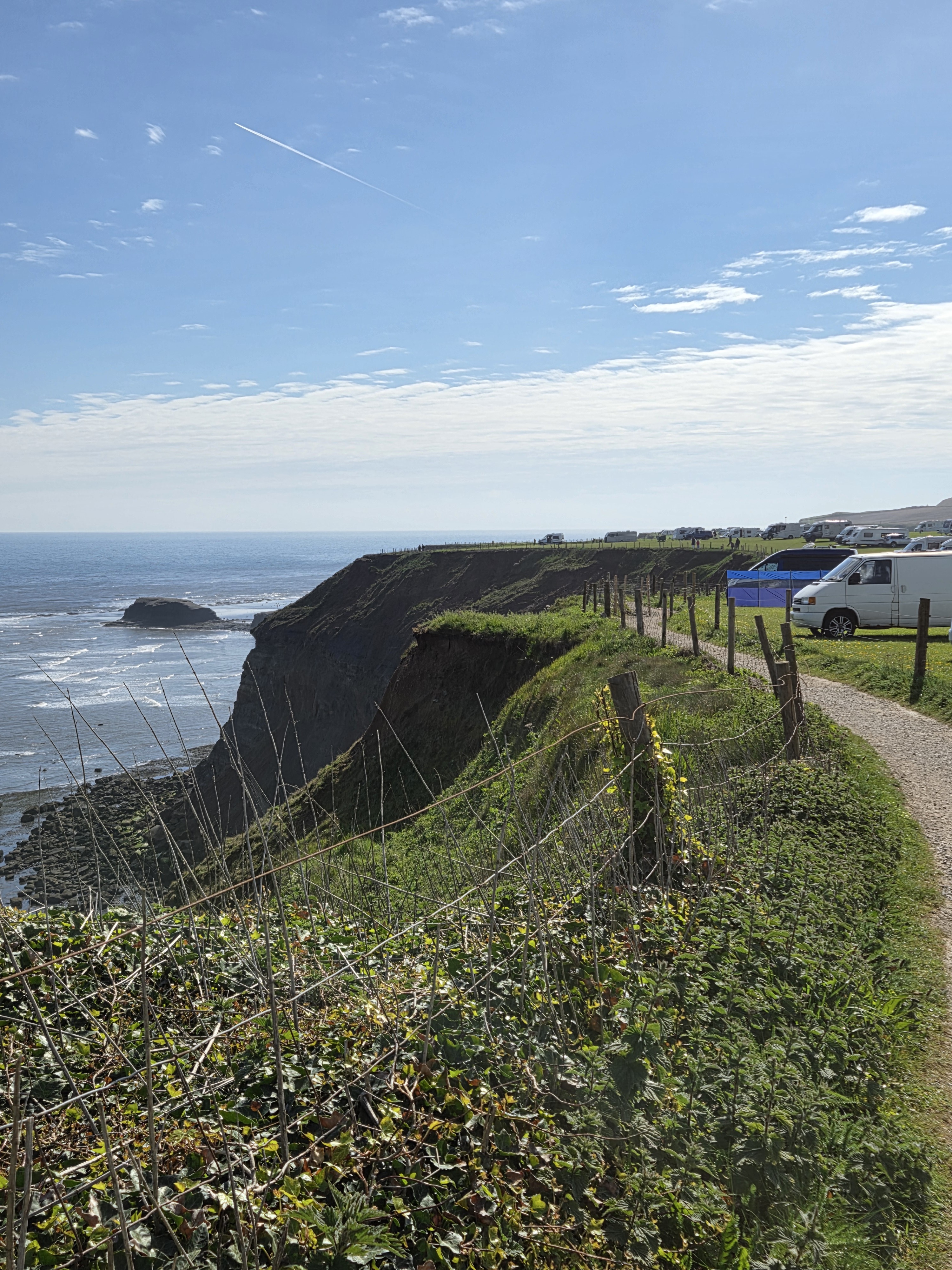
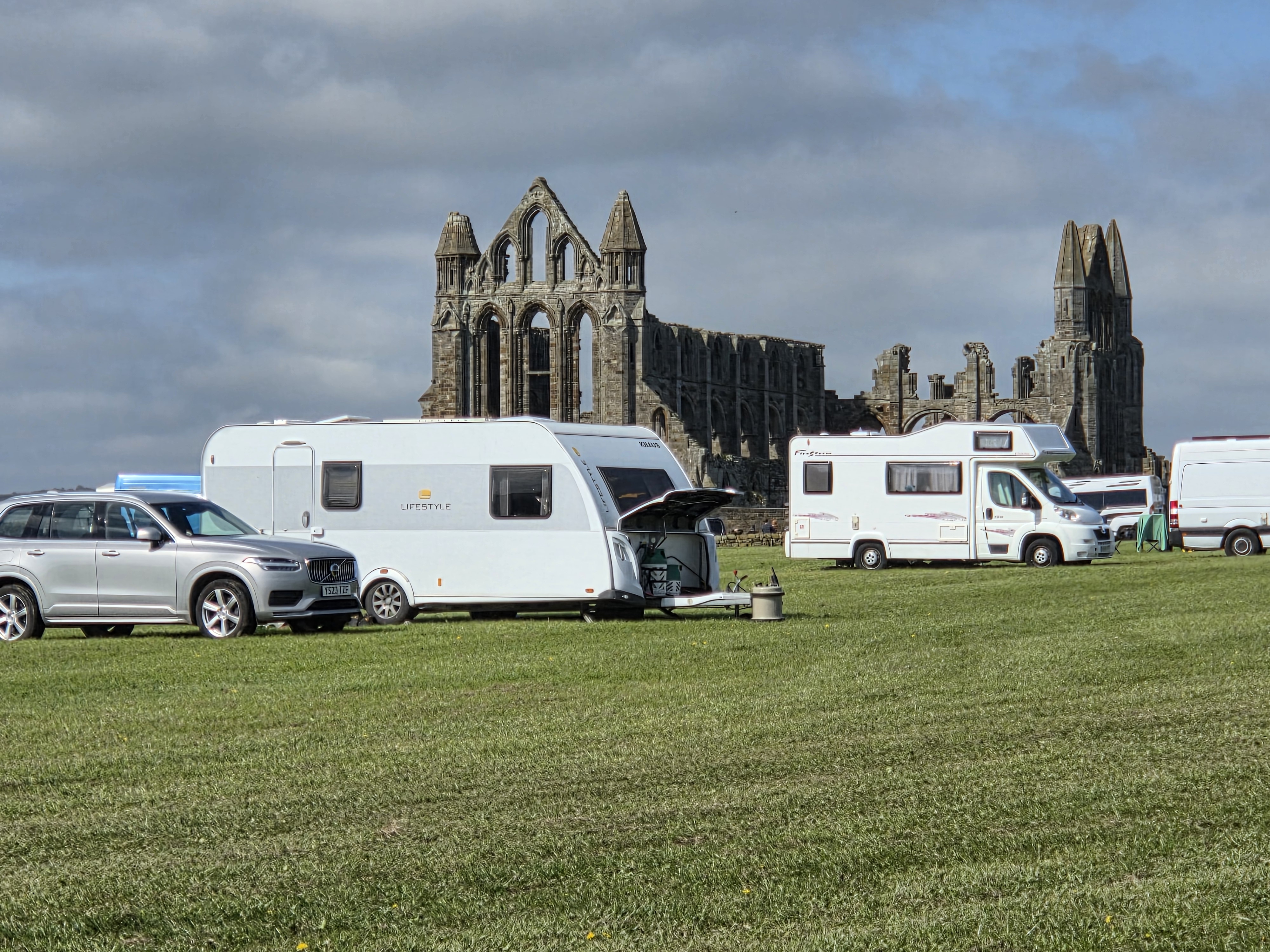
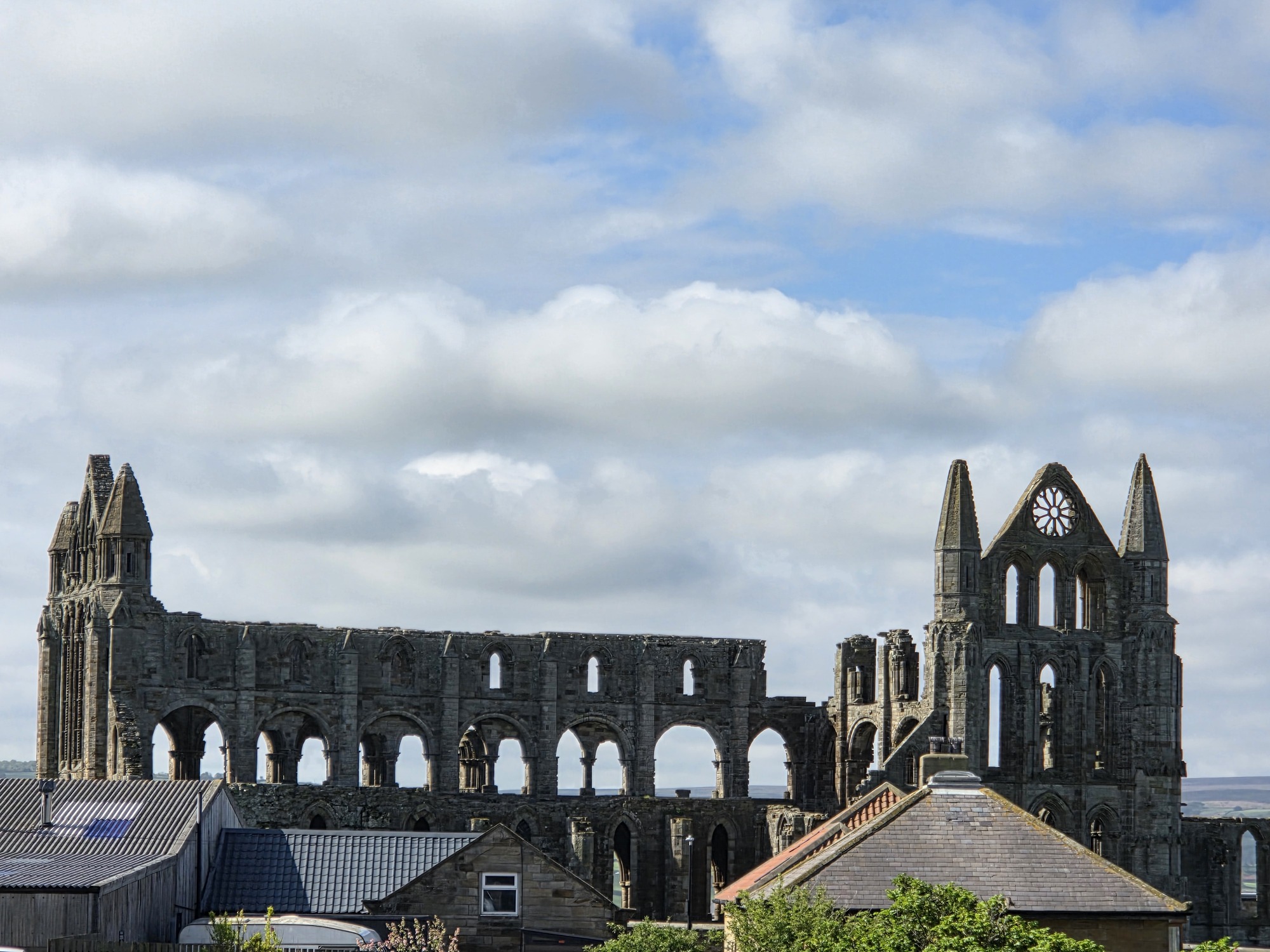
What Bram Stoker saw, more-or-less, from his perch on the bluff. Today, a caravan park nudges up against it on the other side and The Cleveland Way passes directly by.

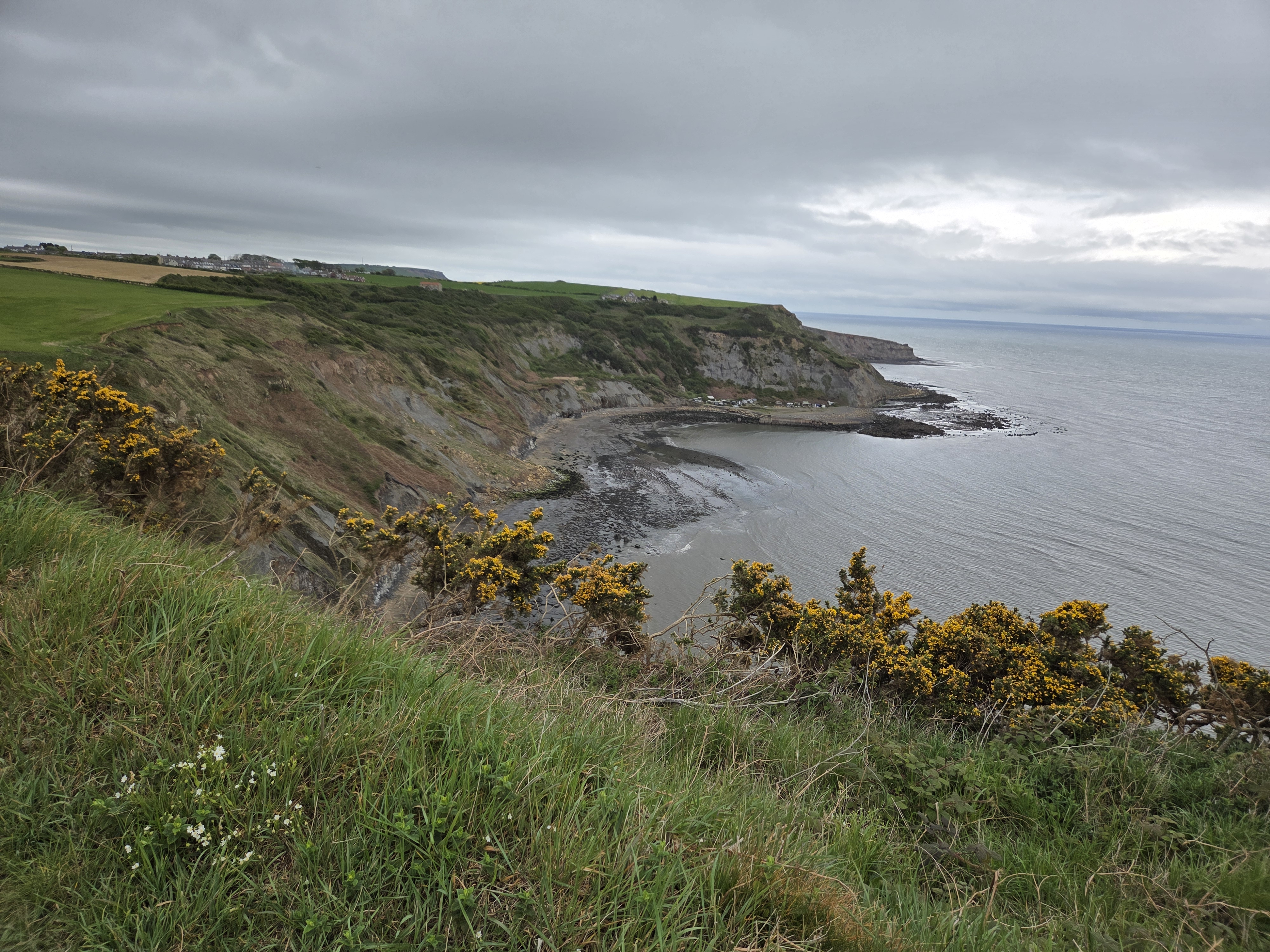
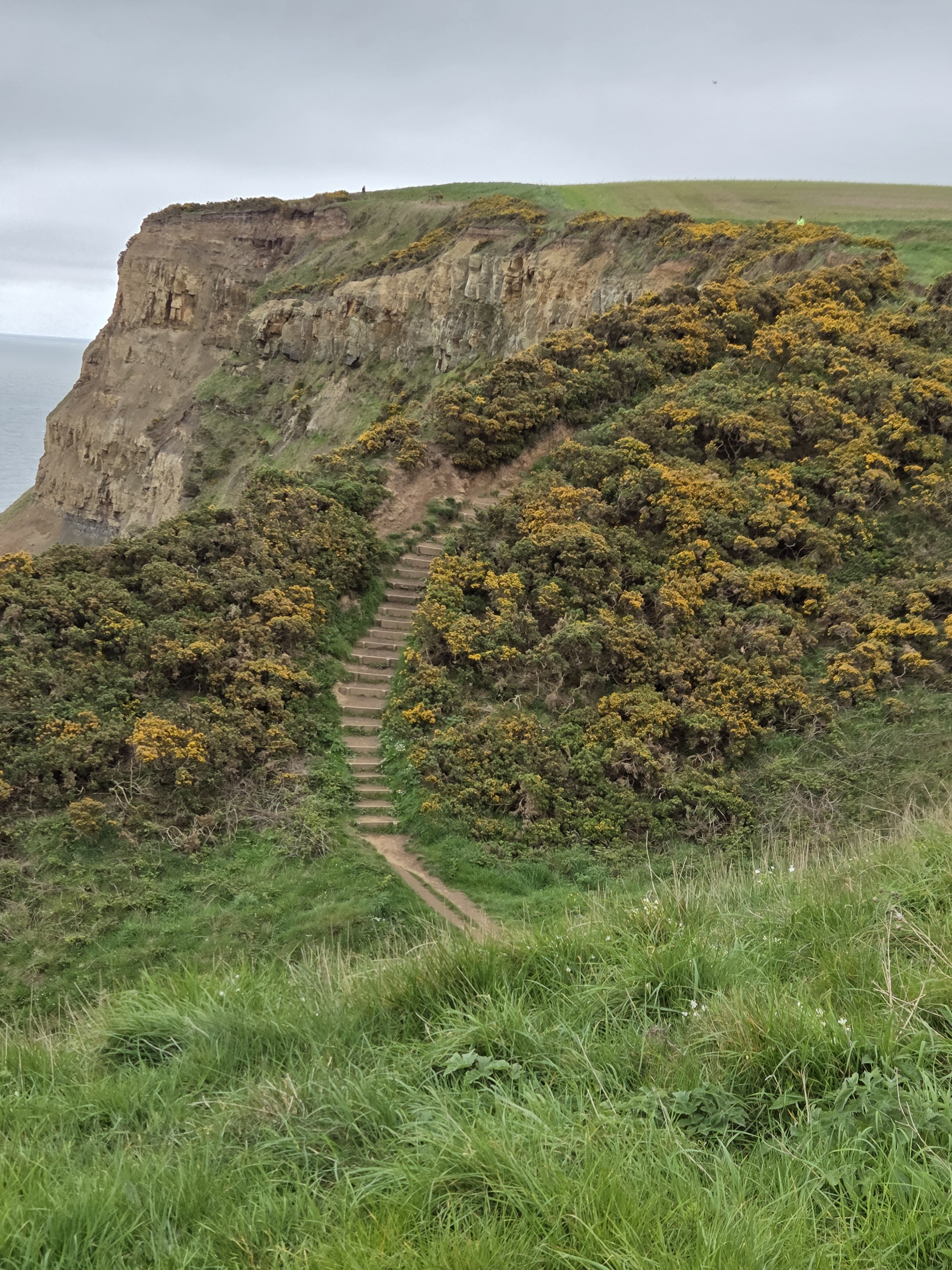
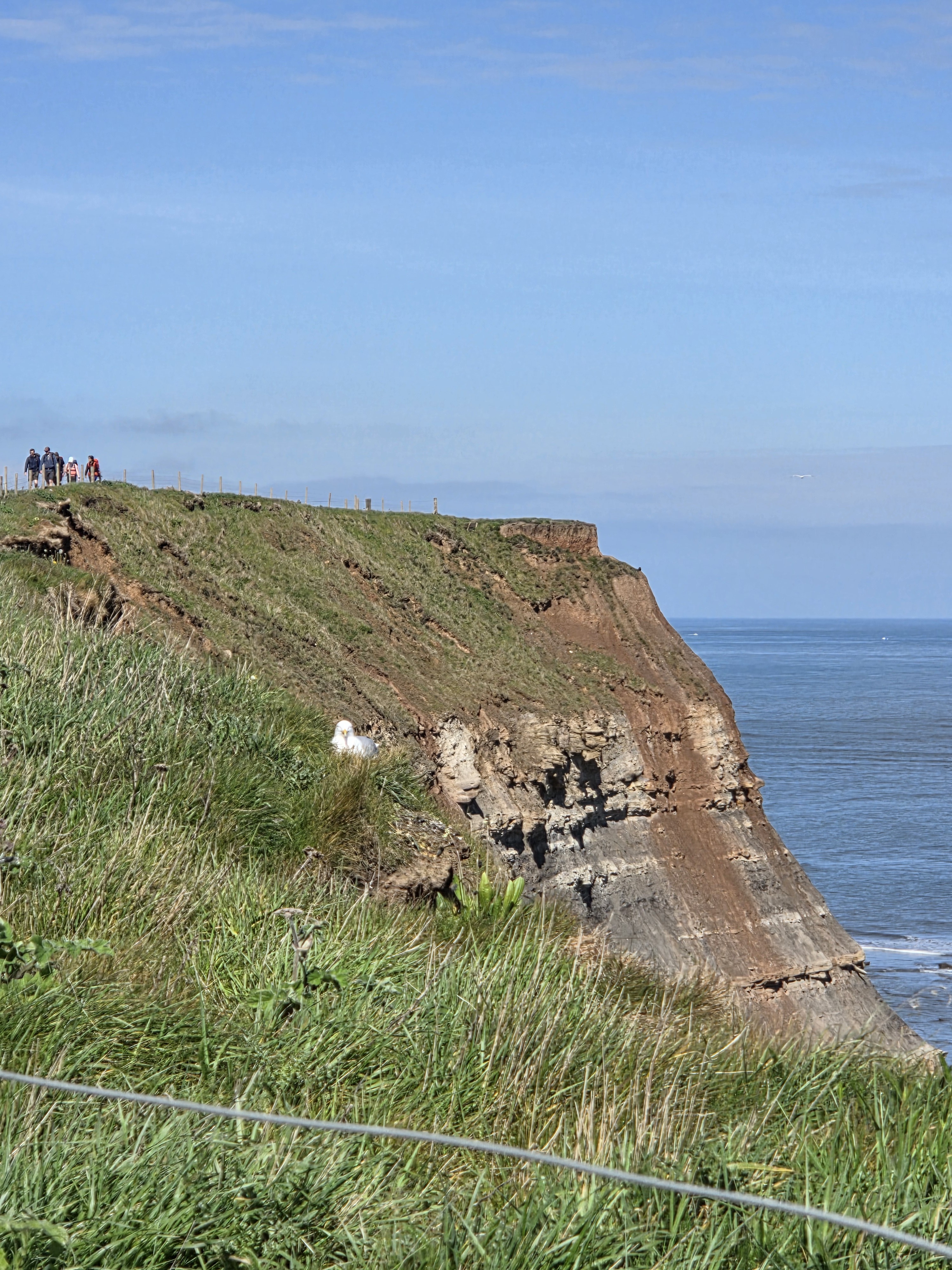
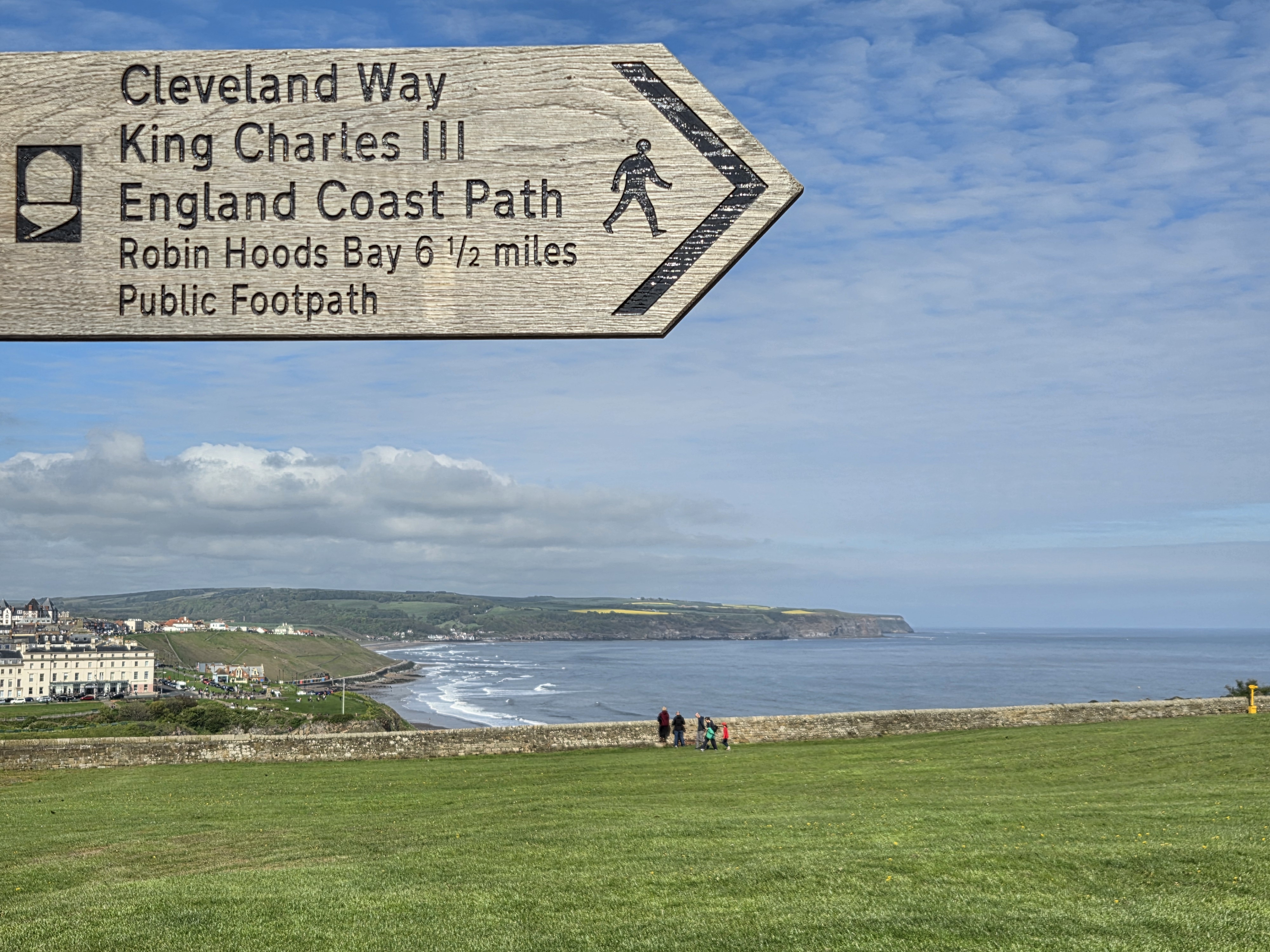
It’s chilly this week, but the rain has held off at least while we are walking. The extensive 109-mile Cleveland Way runs through this area, where we are walking daily in the North York Moors National Park including short coastal sections of the Cleveland Way. Very scenic, hugging the cliffs above rocky beaches and steep headlands, sometimes quite windy.

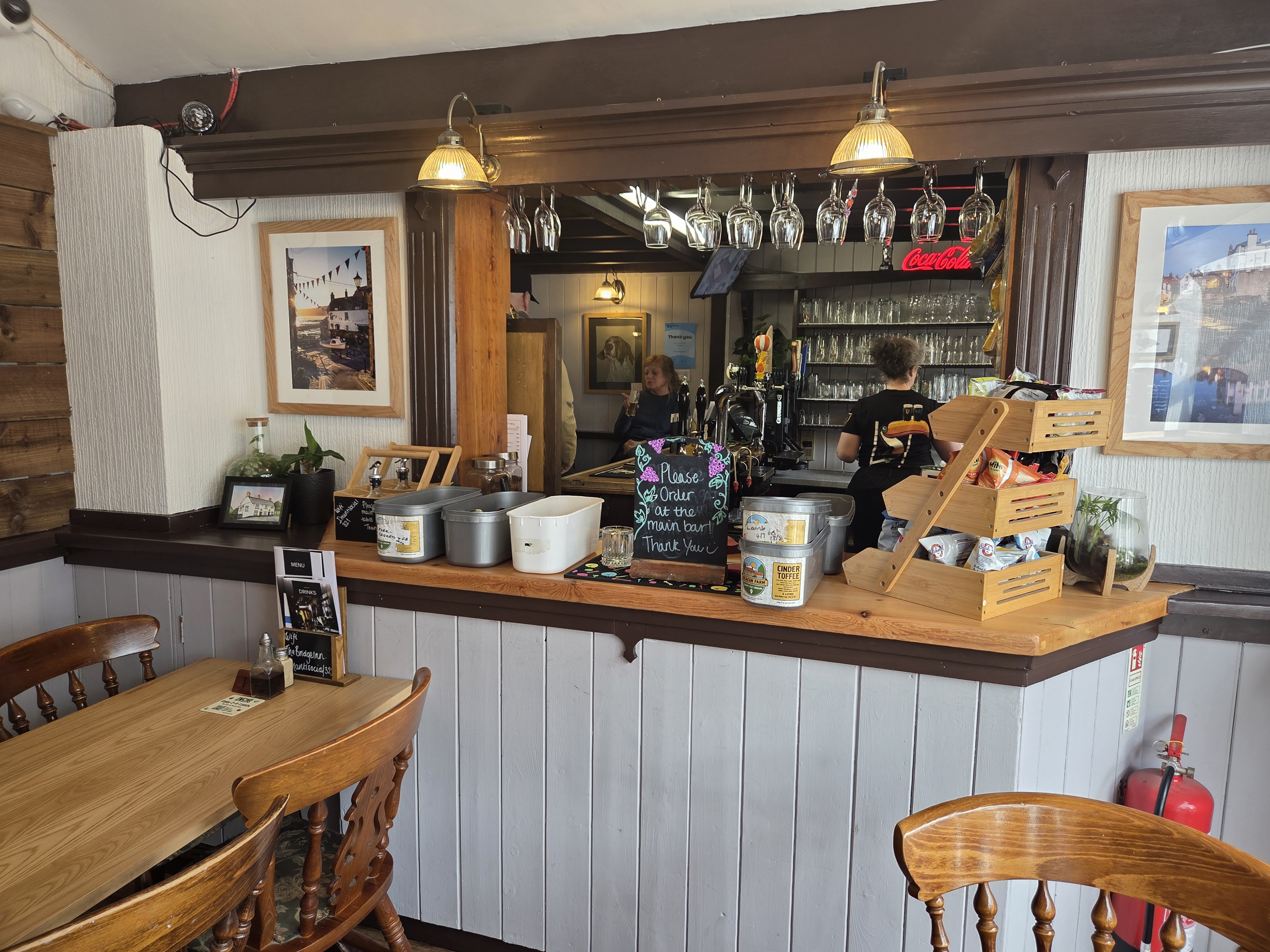
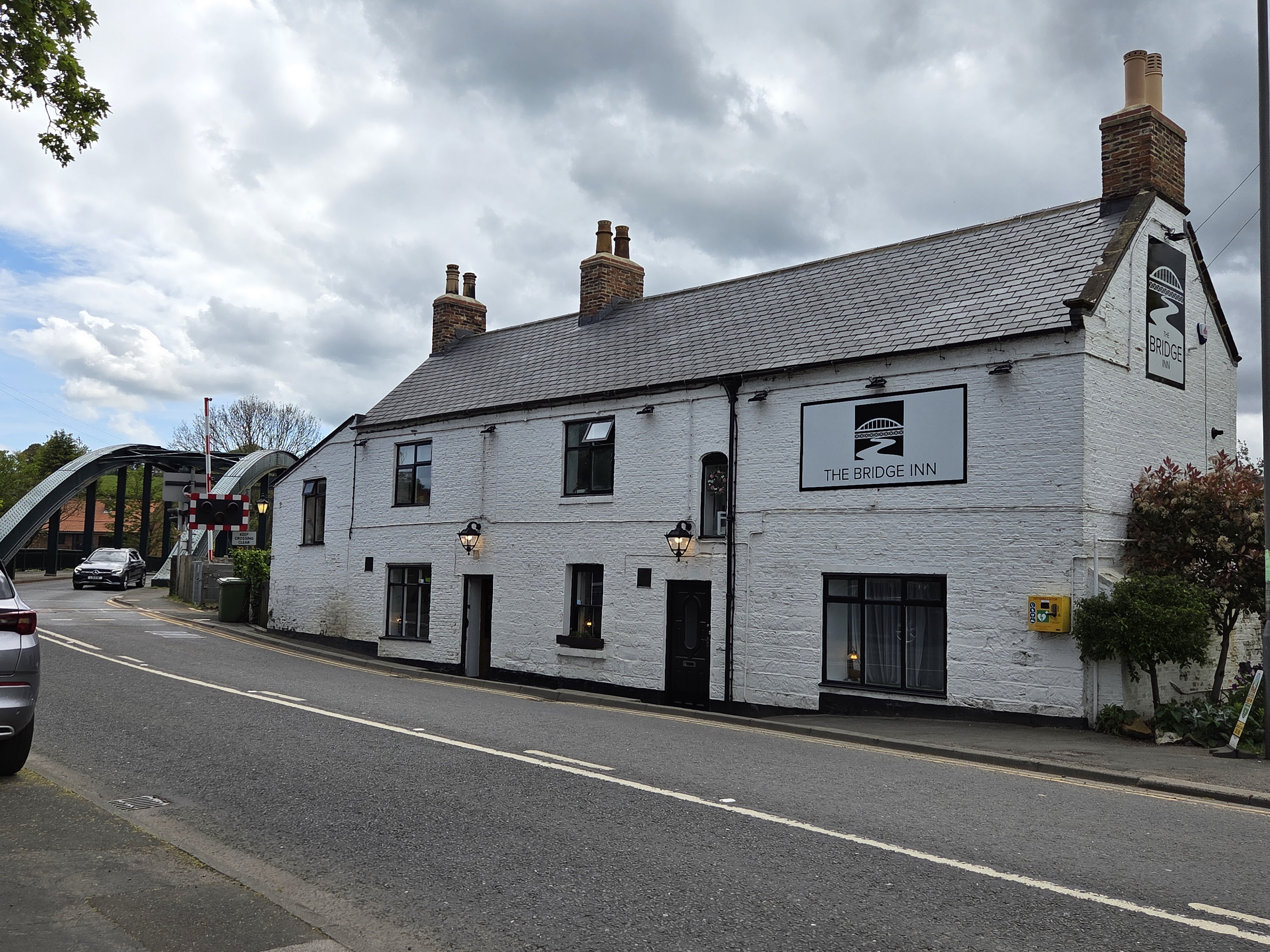
We’ve had a couple of “path to lunch” outings, with a charming pub awaiting mid-walk.

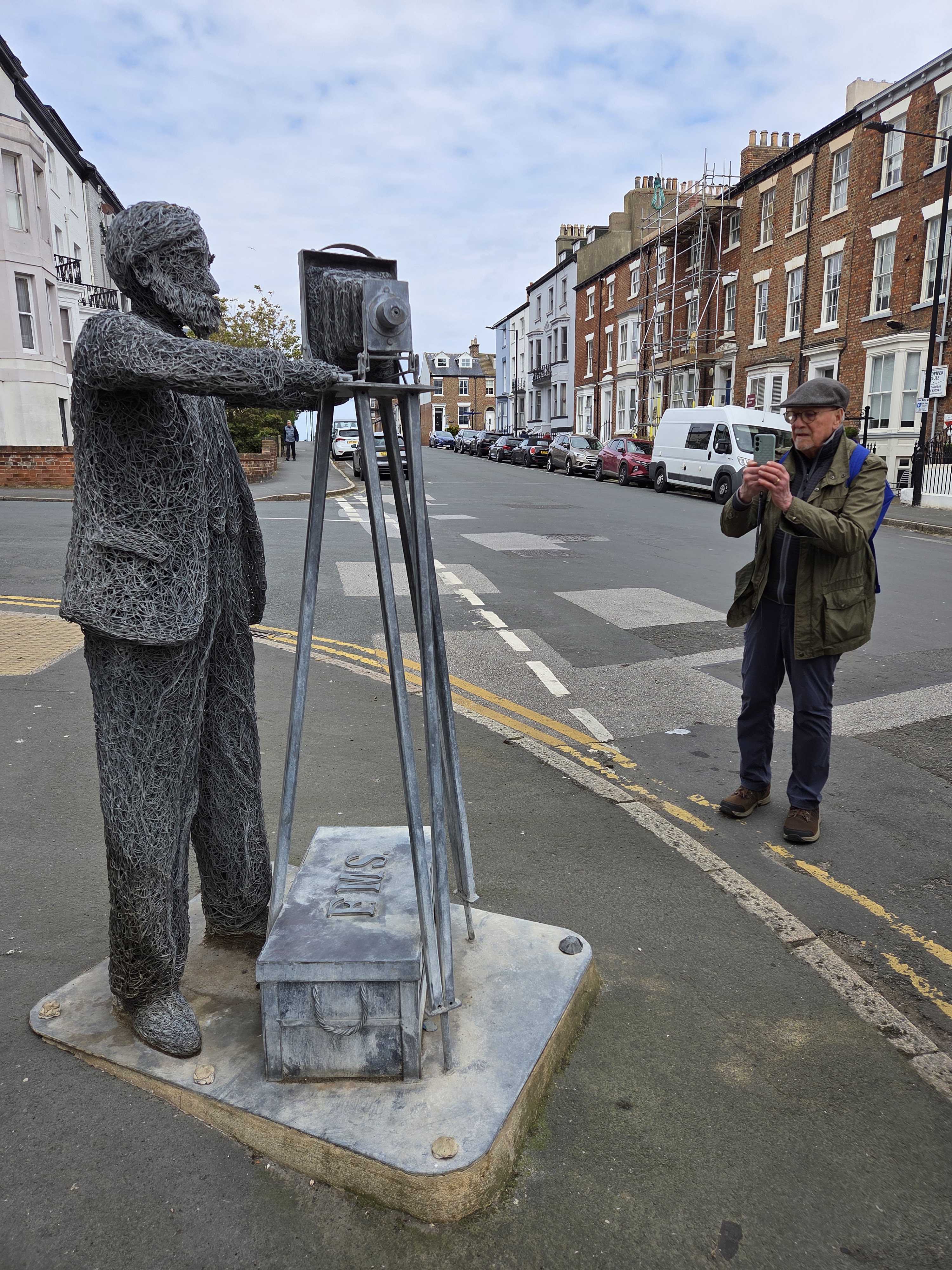
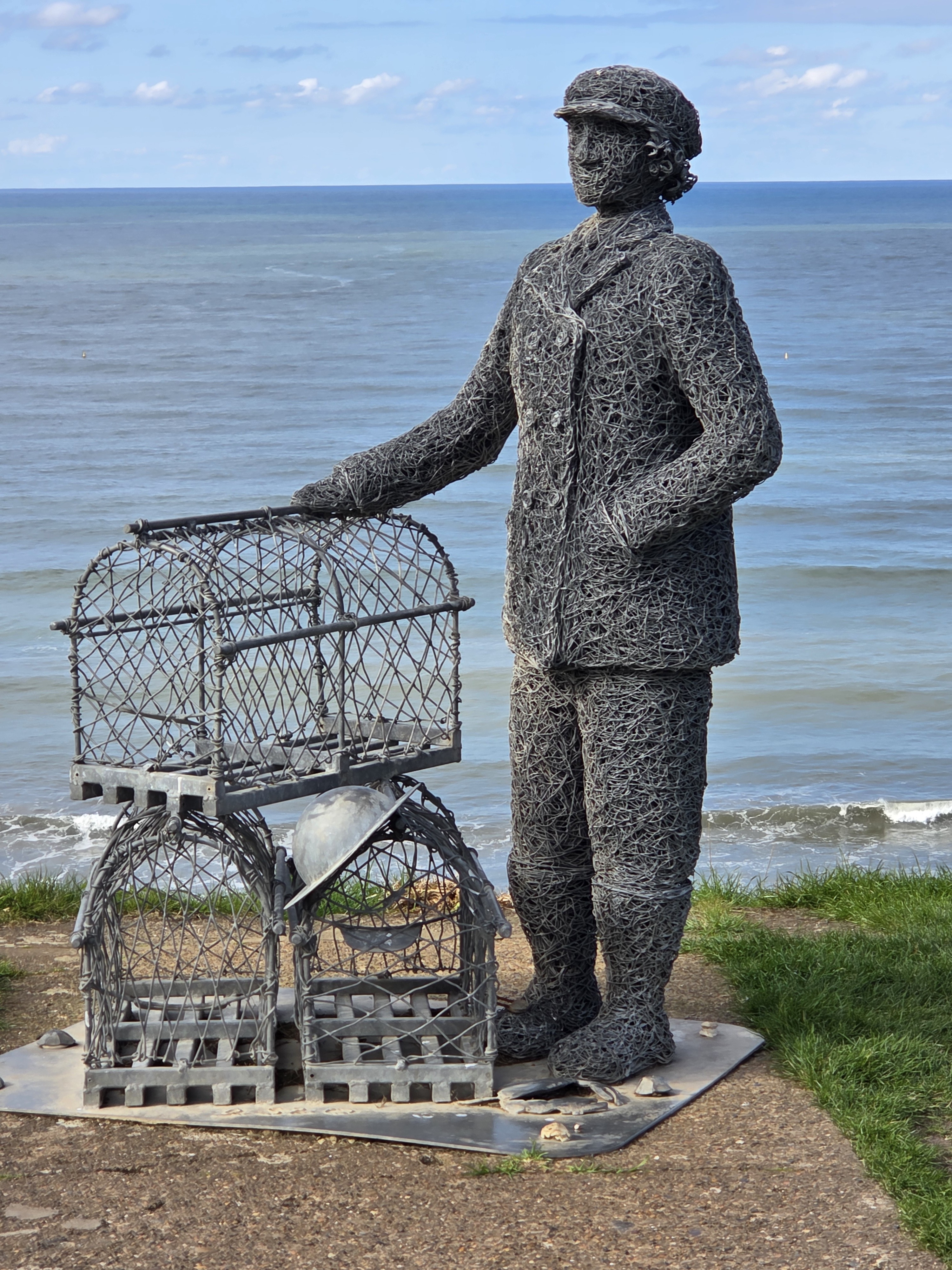
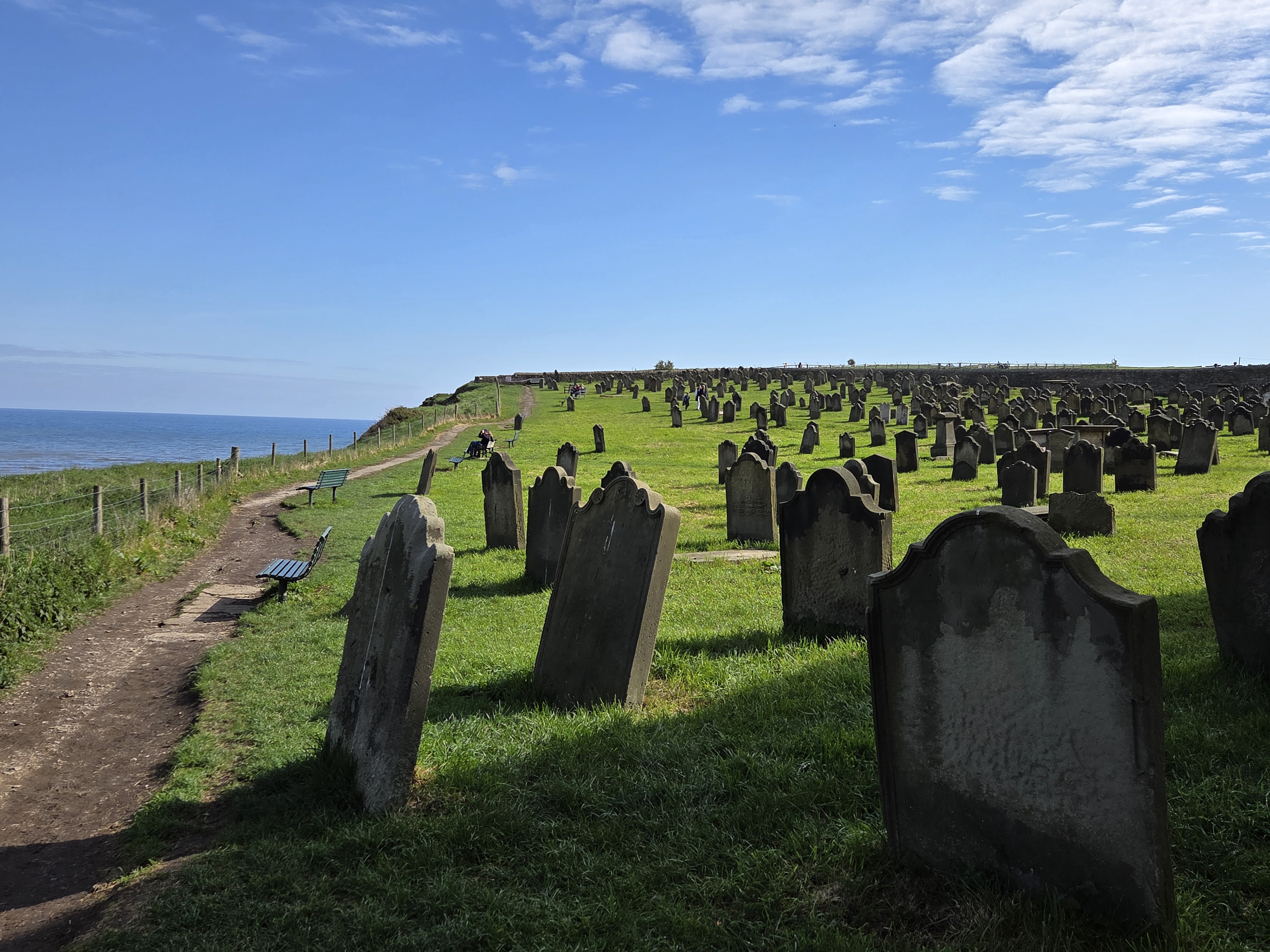
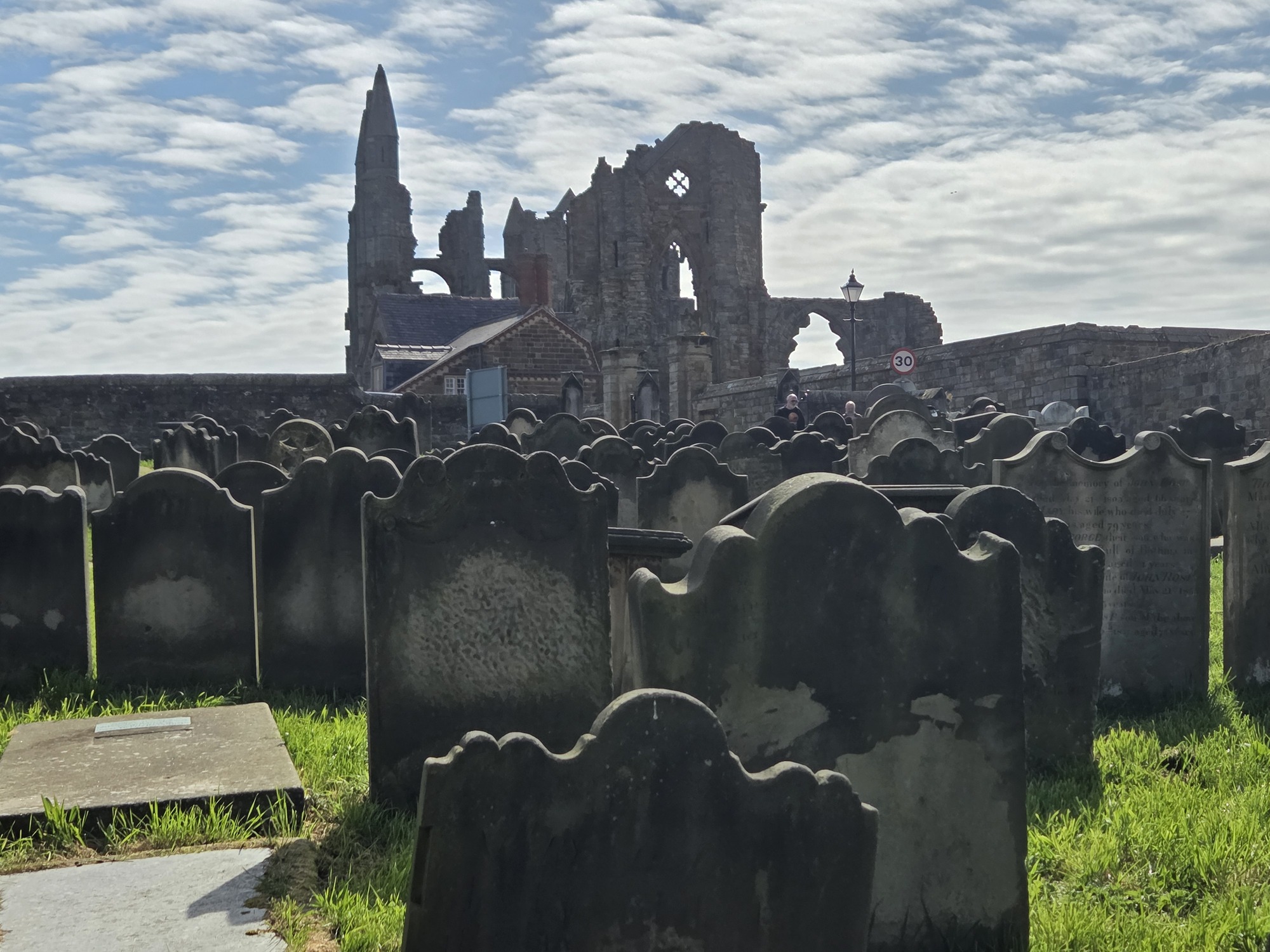
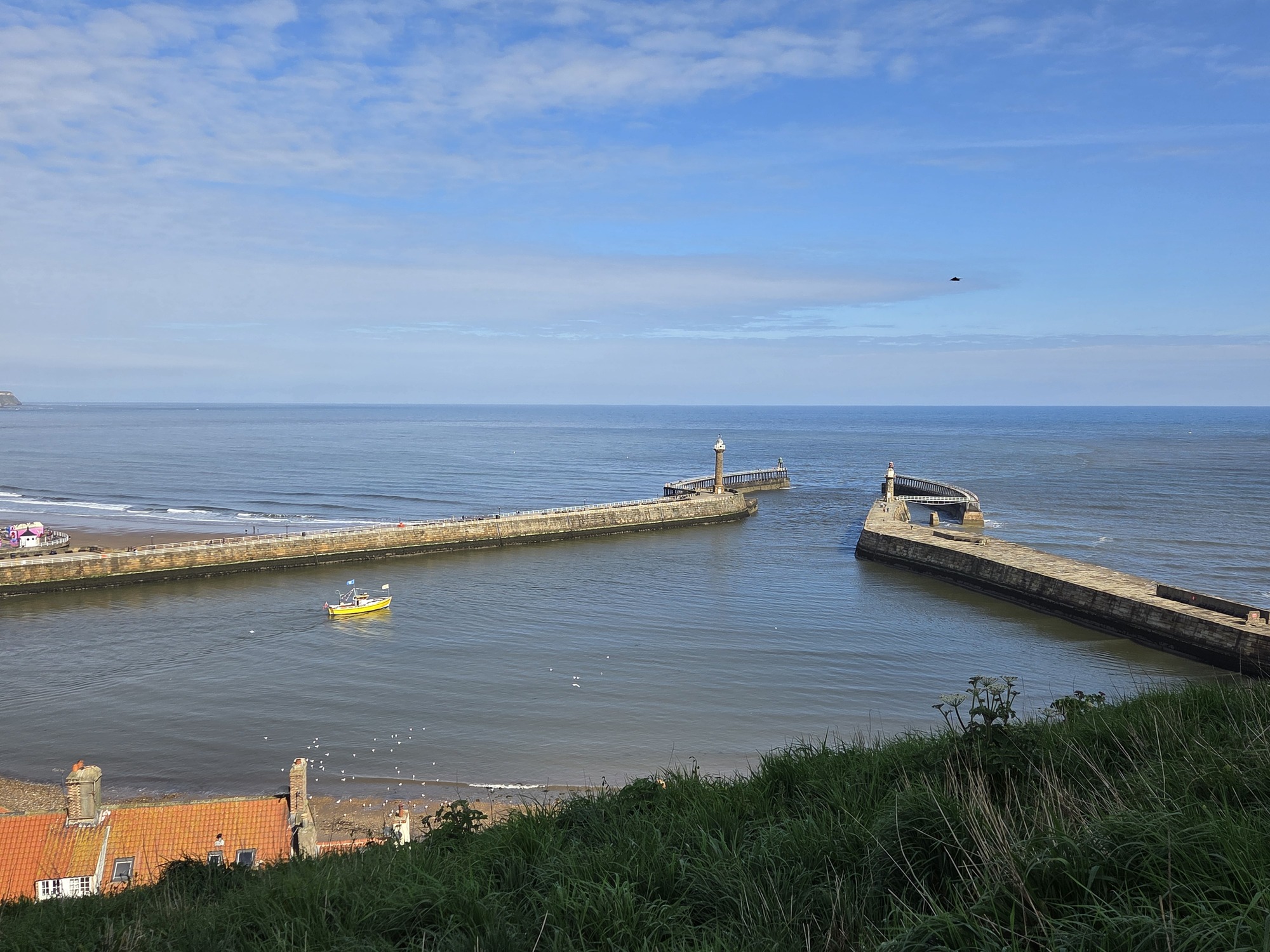
A random selection of photos from the week so far. Please click on a photo for a brief caption, if interested.

Sadly, the North York Moors Railway is not running to Whitby due to the same works on the line that plagued our arrival.

Our apartment for the week meets all our criteria: ground floor, washing machine, walk-in shower, full kitchen, and a coffee-pod machine. We no longer stay where we lug suitcases up stairs or climb over steep-sided British tubs to use the shower. If I am going to injure myself, I will do it outdoors, not in the shower.

We have not heard one word of American-accented English, and only once a couple speaking anything other than English. Most of our fellow travelers are from the UK, it seems.

From here, we head to Northumberland and the town of Berwick-on-Tweed. More from there soon!

Hidden Venice (and other miscellany)

3 Nov

3 November 2025.

Venice doesn’t call to me, she screams at me to come and visit. It’s been four years since we last cast eyes on La Serenissima. You’d think after 11 visits we’d have seen all there is to see. Since we were staying an hour down the train line (Ferrara) and the day was fall perfection, we hopped a Frecciarossa and made the count an even dozen.

The challenge was to find something unique away from the crowds at San Marco and Rialto. Thanks to the 2025 Architecture Biennale, I found a walking tour that took us to places we did not know you could access, in particular, the Arsenale, which used to be off-limits except for The Biennale exhibits held in the Arsenale South. Now the northern section is open on a limited basis and the route to get there is astounding.

A brief historic diversion is in order if you do not know what the Arsenale is. It dates to 1104 and was the shipbuilding center of the Venetian Republic and lasted until Napoleon ruined things in 1797. It was the largest industrial complex in Europe before the Industrial Revolution. Wikipedia has a fine synopsis if you want to know the details and see some renderings. https://en.wikipedia.org/wiki/Venetian_Arsenal. Click on any picture for a better view..

The Arsenale: The approach to Tesa 105; Art in Tesa 105; Inside along the tese (old workshops); Waterfront inside. Imagine Venetian ships being built here 1000 years ago. Notice NO CROWDS.

The walking tour is called “Castello, Naval Art and Traditions.” No, it is not a Rick Steves Triple Triangle Must See tour. That is the beauty of it. Instagrammers have not descended en masse. Monday to Friday from 8:00-17:00 you can visit through Tese 105, an exhibit space and bar on the north side.

How you get there is circuitous, and that is the fun of a Venice walk, zig-zagging down various calle, up and down countless bridges, discovering new-to-you sights, second-guessing your location and direction, taking more pictures than you can fathom. We saw very few people anywhere on our route and most of them seemed to be local residents. We especially enjoyed the elevated metal walkway along the Laguna Nord wall of the Arsenale. Perfect waterfront view and luckily not a windy day or it could be a mite unpleasant. Click on any picture for a better view.

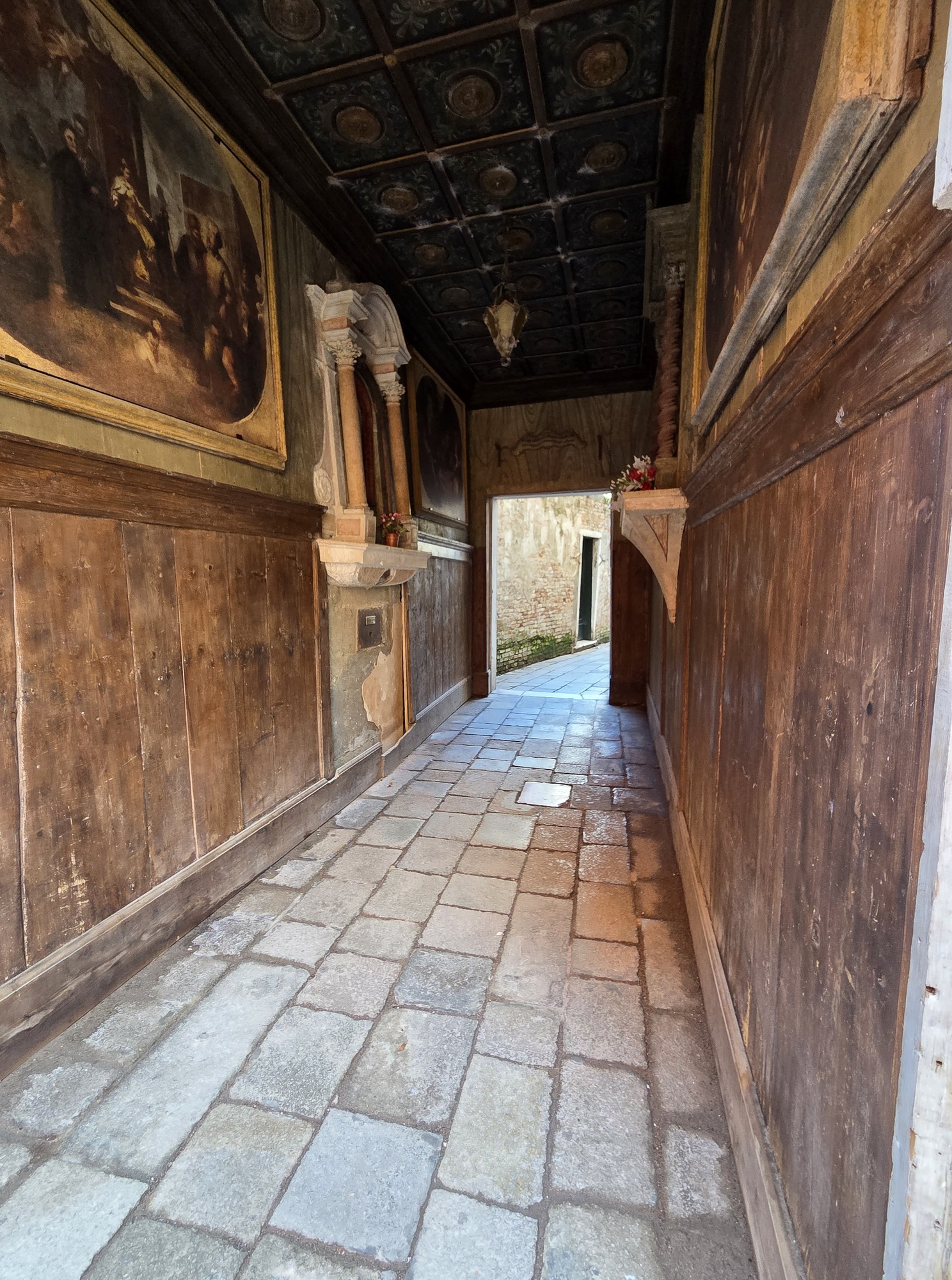
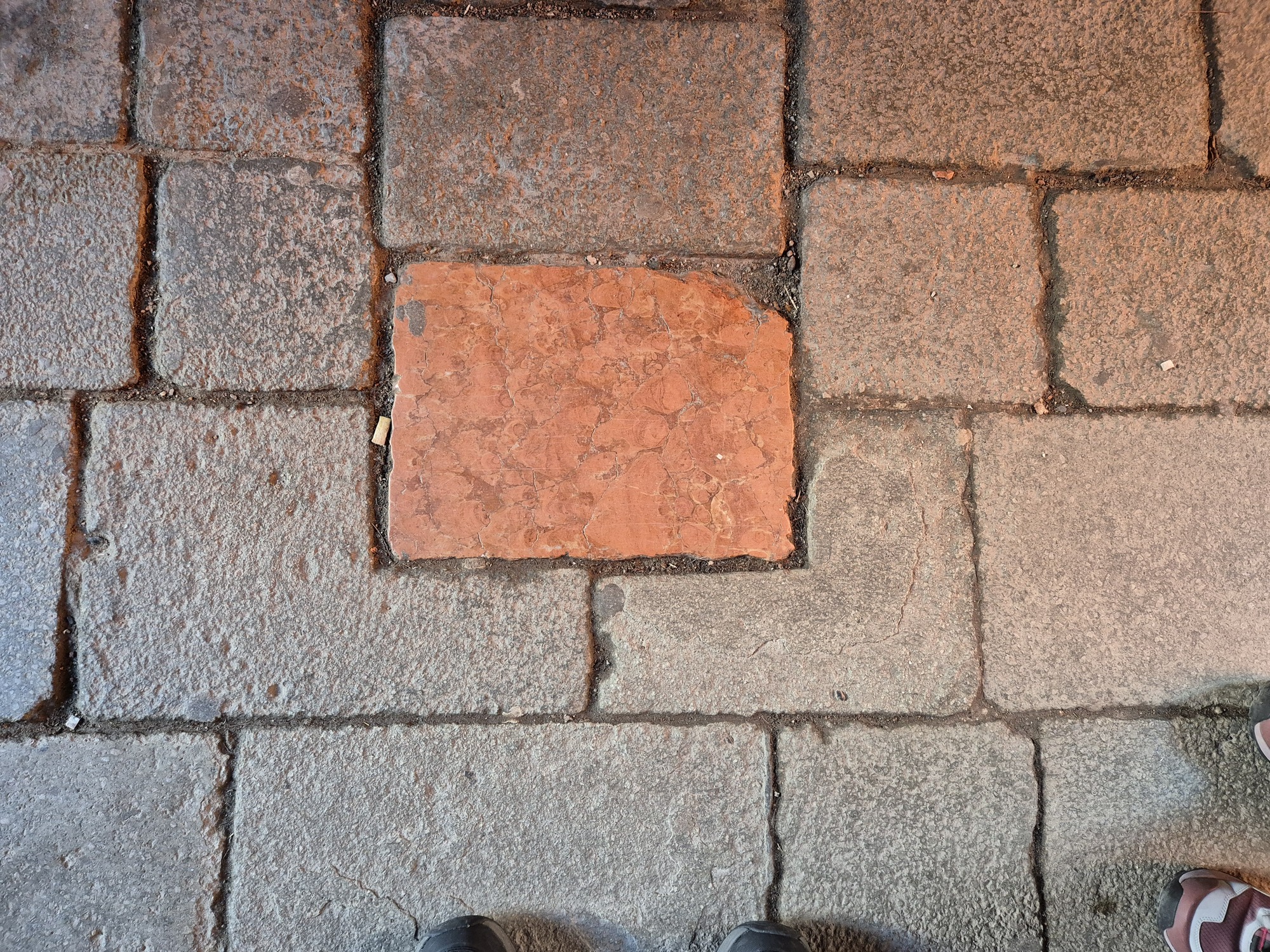
Top Row: Baroque Church in a narrow calle, far from the crowds of San Marco; A sotoportego (underpass) with a shrine dedicated to the Madonna for ending the plague in 1630; The Plague Stone is the only red stone in Venice and is said to bring bad luck if you step on it.

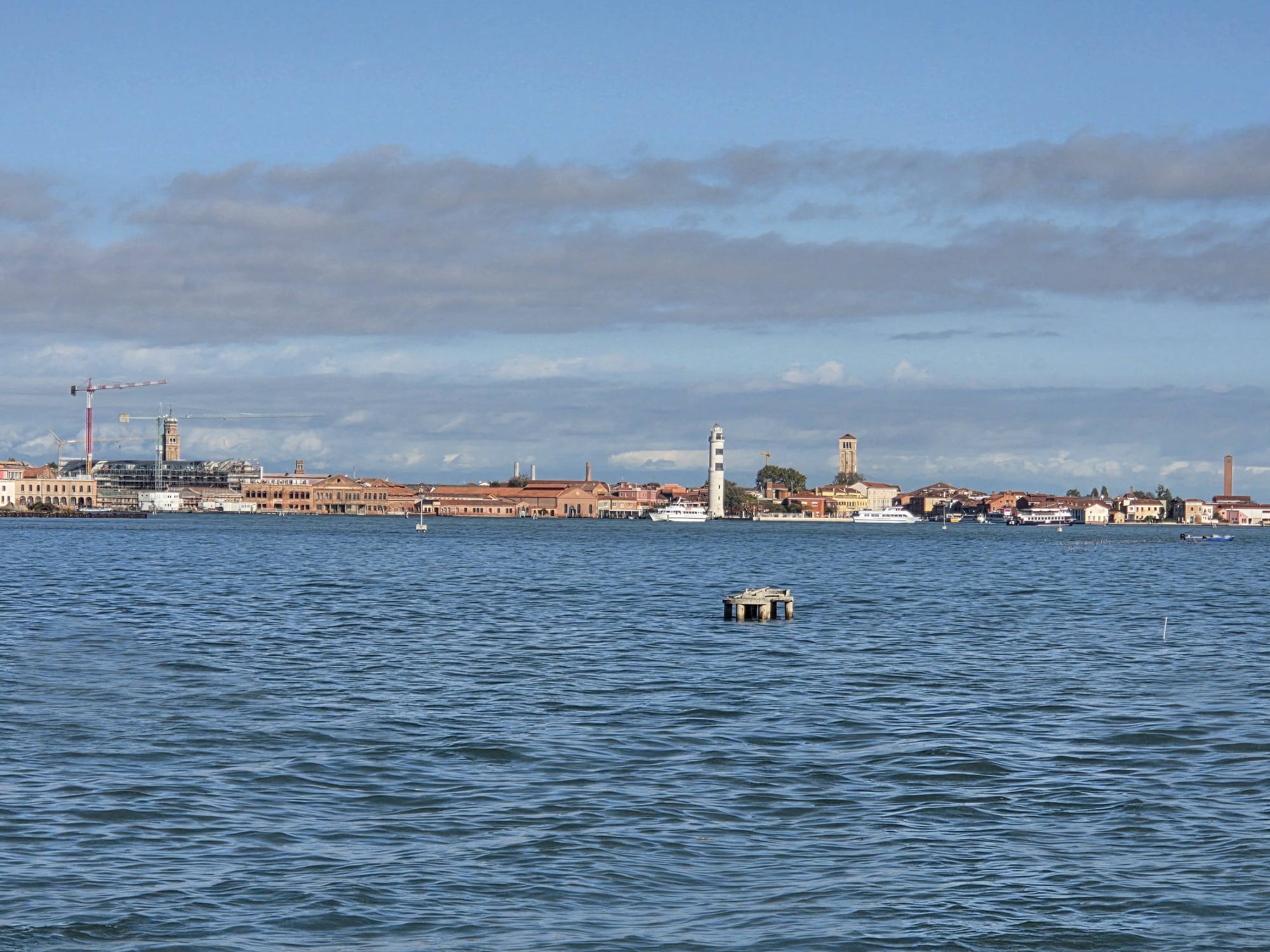
Bottom Row: The metal walkway along the imposing wall of the Arsenale; View of Murano from the walkway.

The tour is described in detail here https://events.veneziaunica.it/en/things-to-do-in-venice/itineraries/castello-naval-art-and-traditions. Full disclosure: we skipped steps 9 and 10 as we’ve toured the tail of the fish several times before. Click on any picture for a better view.

A few more Venice pics on a delightful October day with glorious light.

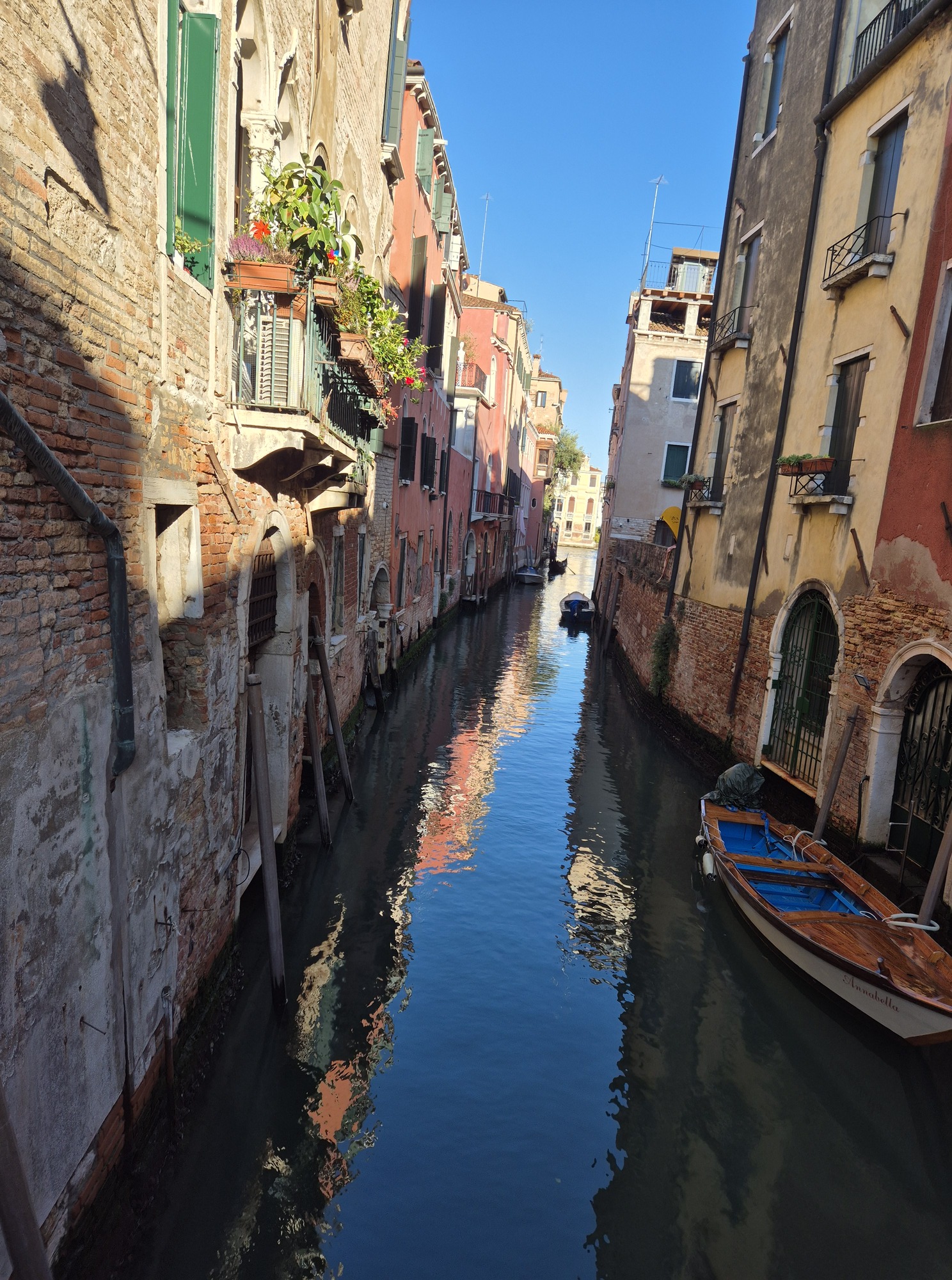
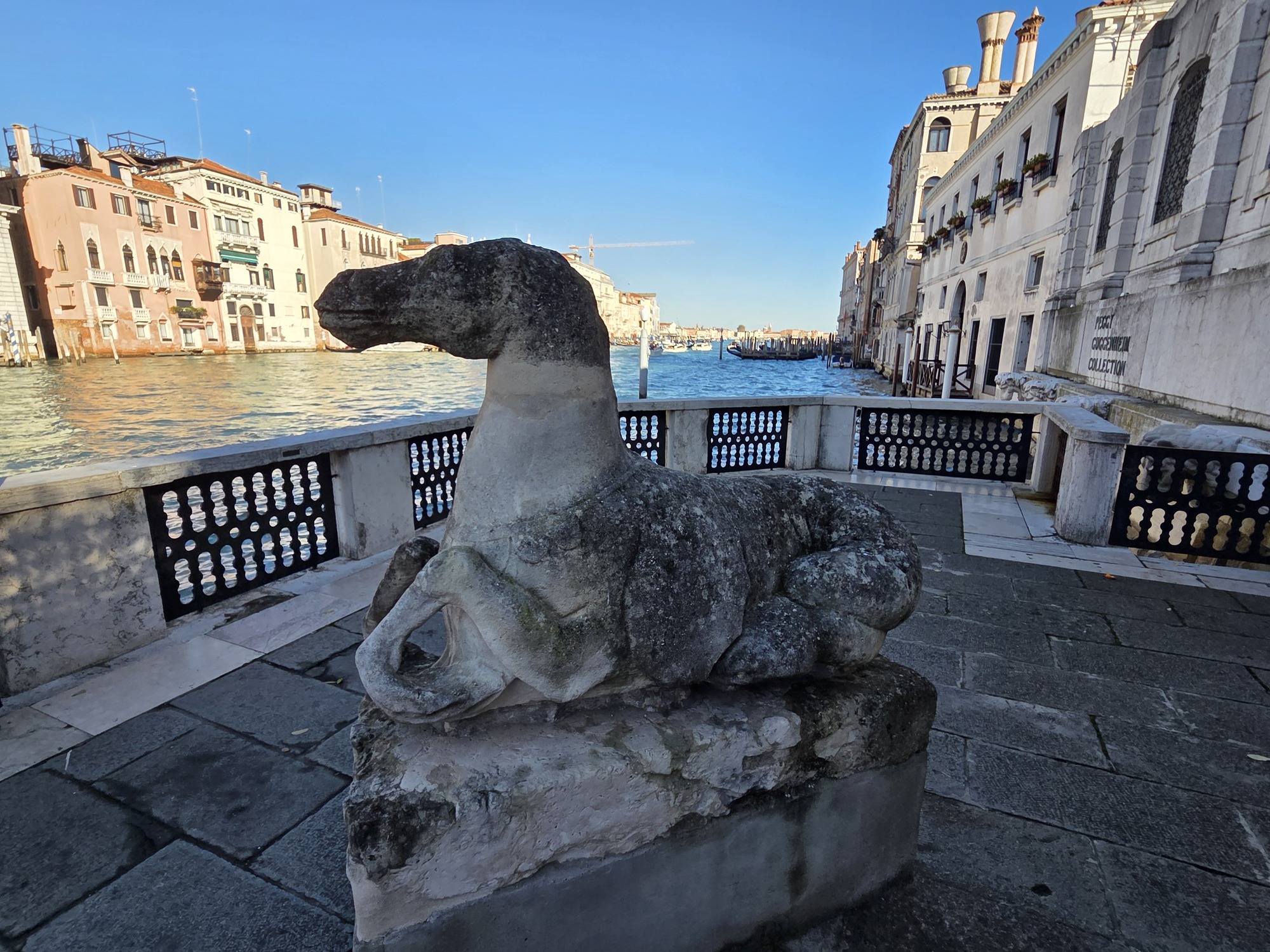
Top Row: Grand Canal view; Quiet canal; On the Guggenheim’s terrace. Middle: Selections from the Guggenheim Collection; Bottom: Peggy’s view of the Grand Canal.

This portion of our trip, two weeks in Ferrara, was day-trip centered. We dislike, in general, a lot of short stays of 2 and 3 nights, preferring a week, or more, as a base. In other words, SLOW TRAVEL This has served us well in hiking locations like Ortisei and Lauterbrunnen as well as in cities like Paris, London, Rome, and even Venice. In those places we’d head out on a hike or out to see a sight, returning as needed to our digs for meals or just to rest. Doing day trips from Ferrara, however, was challenging as we had several very long days door-ro-door with significant transit time. The good news is, that transit was by train. The downside is that a lot of the trains are regionale, meaning “local” trains that transport people to work and school and stop at many many places and ae often full of high school students.

Upside? We had a great apartment and delightful host. I got to speak Italian quite a bit as it is not a prime tourist destination. I don’t think I heard one native English-speaker until our last night in town, and she was married to an Italian raising bi-lingual children.

The food in Ferrara was excellent: cappelletti with pumpkin and ragu, pasticcio, and a tremendous pizza at Settantatrepercento, aka 73%, the percent hydration in their perfect crust.

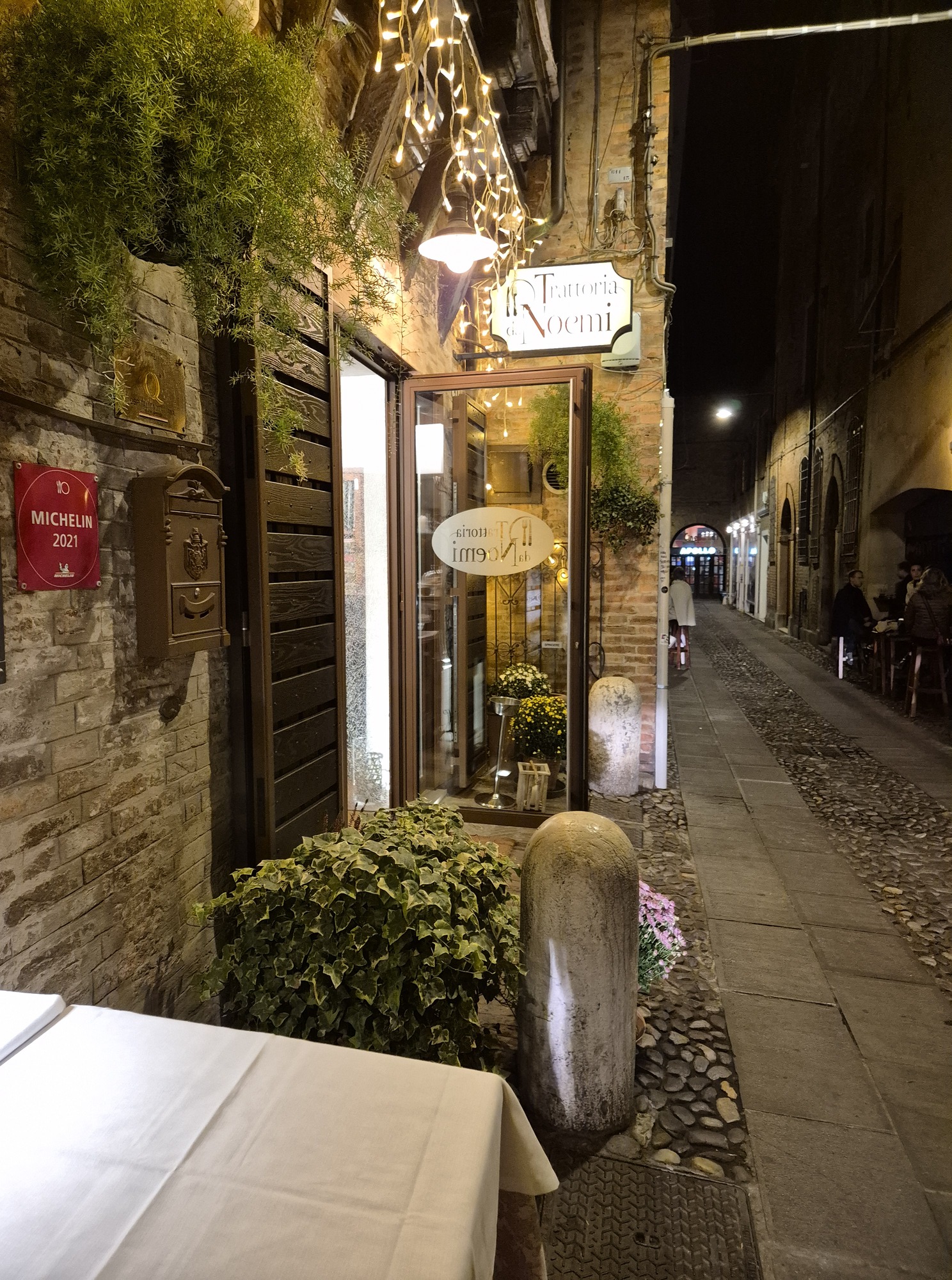
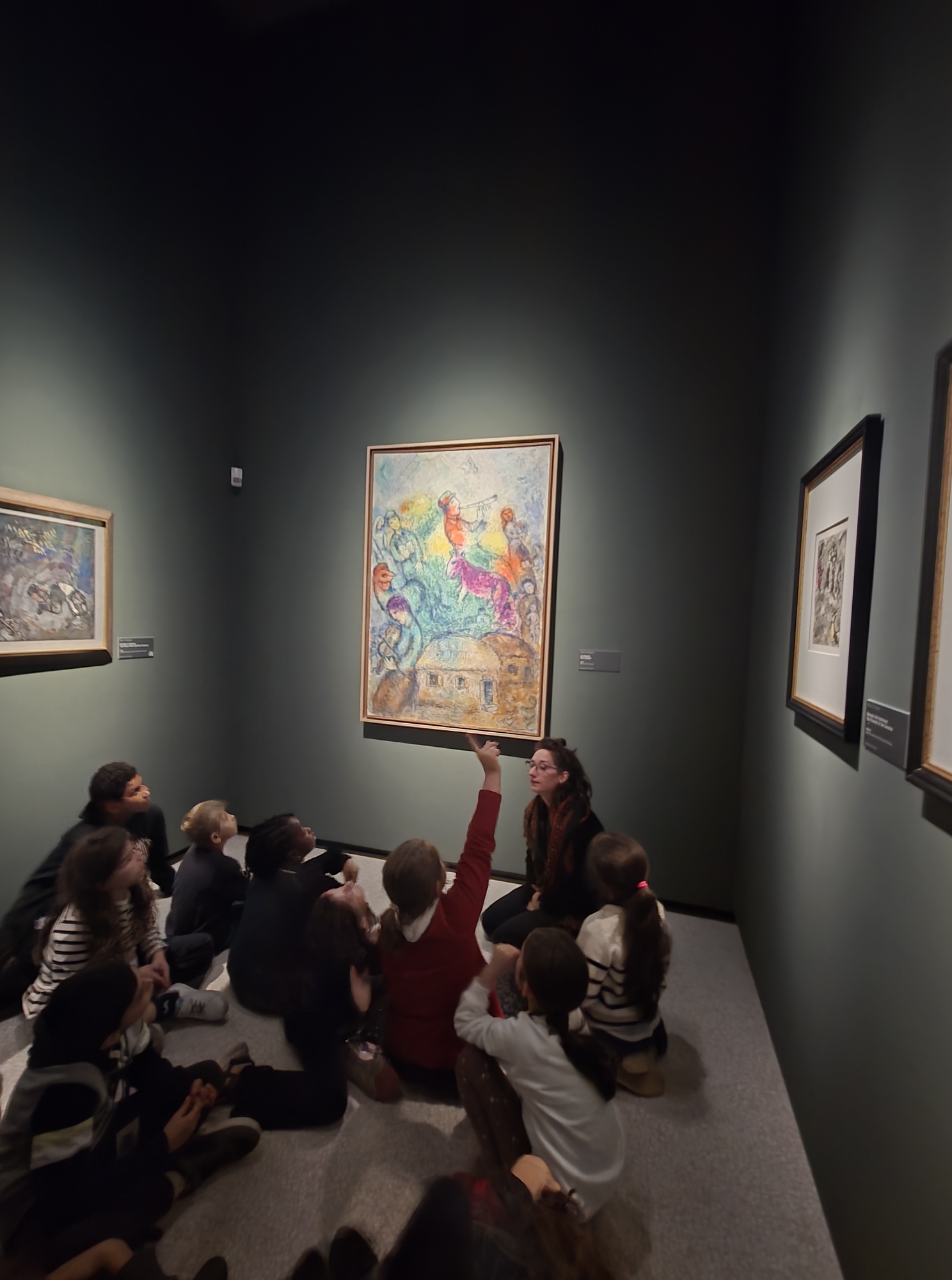
Ferrara is a very old city with an interesting history involving the Dukes of Este and the Papal governance after the duchy failed to produce an heir. We had great food and an insightful private walking tour. We walked the entire ancient perimeter wall (mostly intact) of about 6 miles, and saw an amazing Chagall exhibit that happened to be in town. We filled in with myriad day trips by train: Padova, Ravenna, Florence, Bologna, none of which had we visited in many years. Truly enjoyed seeing them again. Those mosaics in Ravenna! The Scrovegni Chapel in Padova! Florence was not as crazy with people as we feared it would be and we found a delightful trattoria where it seemed mostly locals were lunching. Venice still screams at me to come back and spend a few more nights. Click on any picture for a better view (unimpeded by captions).

Samedan, (see Graubunden Wrap-up) our first two-week leg, was excellent and probably our favorite. Lots of outdoor time, great Swiss trains, mostly good weather, well-equipped apartment and a lovely host. It’s a tiny town that does not draw tourists like its neighbors. They speak Italian as well as German, so that worked nicely.

Basel was interesting in itself, but harder to day-trip from as it turned out (see Basel Wrap-up). Everything in Switzerland was relatively easy to reach and there are cute towns and villages everywhere with ancient castles and charming streets. France was more challenging to reach due to poor transportation connections. We had hoped to spend more time in the Alsace but it was too difficult without a car. The best of the Black Forest in Germany is also a bit far removed from Basel to visit by train. To us, a decent day-trip should be within an hour by public transport. 90 minutes is OK, but two hours each way is a non-starter.

Ferrara tested our plan to try a base with regional day trips. We would not do it again and that is not to detract from Ferrara. Some of the rural places I counted on visiting by bus became impossible due to the schedules. Oh to have Swiss transportation everywhere!

We learned that we still do not want to drive. Thought about it twice, in Basel and in Ferrara, but rejected it as too stressful. In Basel, the cost of the rental was cost-prohibitive (about CHF 140.00 per day!) though the driving would have been more efficient and supported a wider range of options. In Italy, the cost to rent was not awful, but parking in Ferrara is at a premium and in some of the cities we visited by train, very hard to park as well, not to mention the dreaded ZTLs where you get fined if you enter.

We also learned that a first visit to an area should probably be in the 3-to-5 night range. Better to leave wanting more time than less. You can always go back. That does mean moving around more and less of what we see as SLOW TRAVEL. As we plan our trip for next fall, we are already thinking of visits to some of our favorites again, after a year off from Ortisei and Lauterbrunnen. But we’ll add in some new stops as well, as we continue to look for more places to call “favorite.”

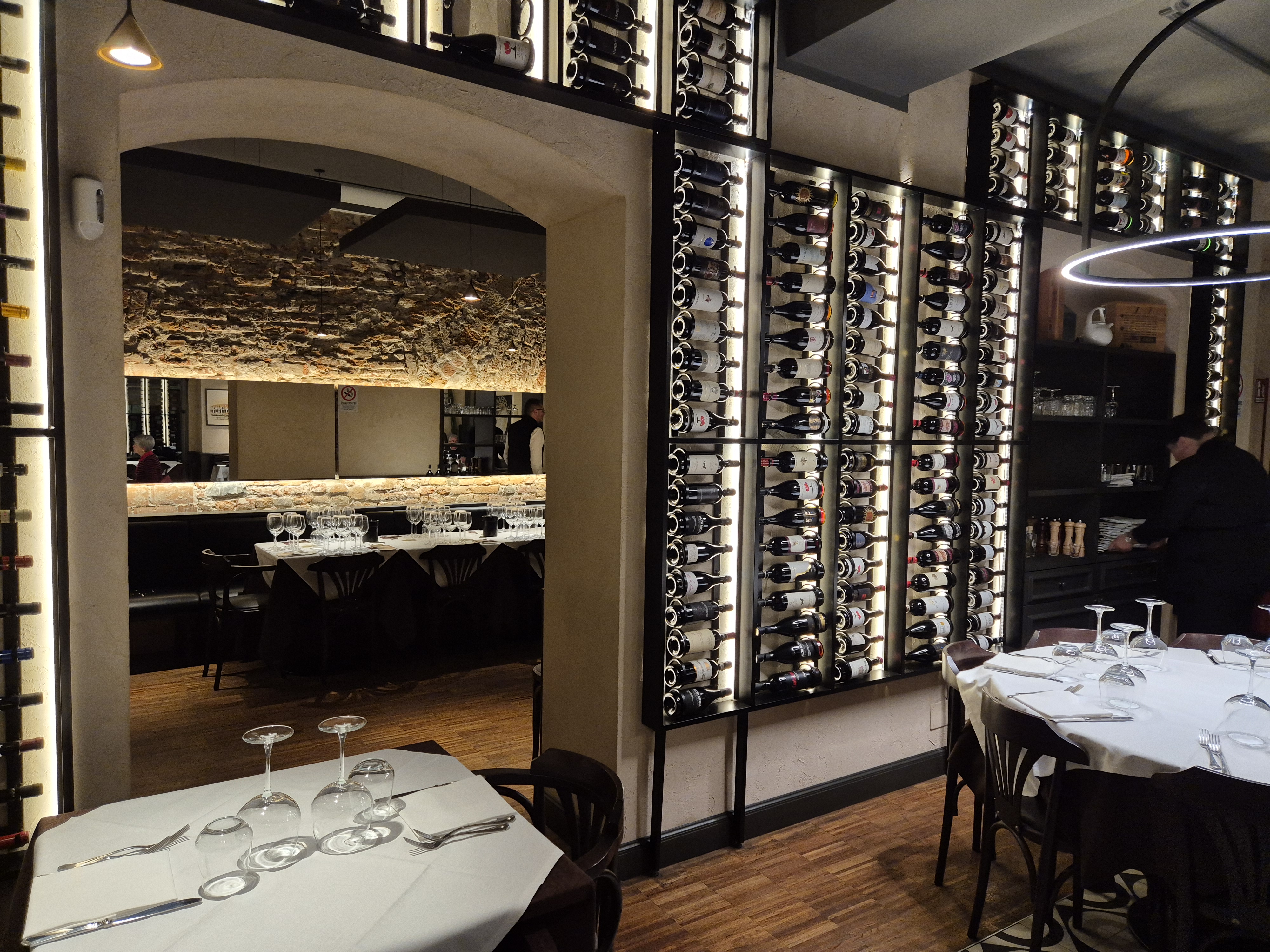
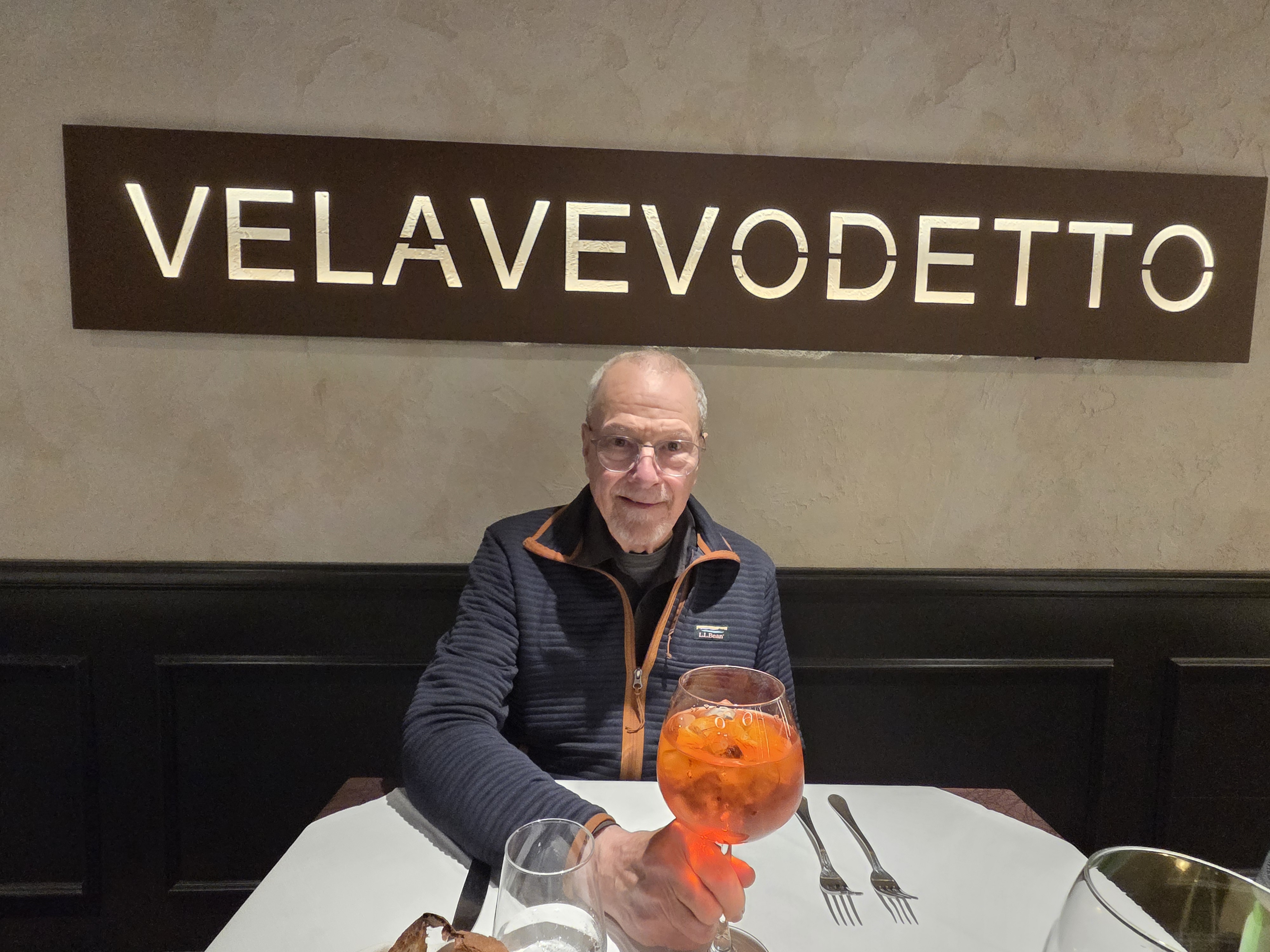
We wrapped up with a pre-flught stay in Milan, which is usually an annual stop for us. We have a favorite hotel and a restaurant we have dined at for over a decade, but this year we discovered a new-to-us restaurant called Velavevodetto. The original, Flavio Velavevodetto (Flavio, I told you so), is in Rome but we never managed to get there during our residence. We love Roman food so a tram trip across Milan on a pleasant October evening was appealing. It was terrific. Have to arrange a stop there again next fall.

A Path to Cappuccino…and Lunch

18 Sep

18 September 2025

A freshly made cappuccino in a ceramic cup in the middle of forested mountains, above a rushing river, at 5856 feet above sea level. What’s not to love?

Today is our third full day of a 6-week trip. First stop, Samedan, Switzerland, which will have many of you powering up Google Maps to figure out where-in-Hell are they now?

Jet lag is still present, but the fog is clearing by the day. Flatlander legs (Forest Grove is at 210 feet and flat as a crepe) are adjusting to hills and sea level lungs are slowly adapting to mile-plus-high altitude. We are sleeping at 5650 feet!

But first an aside: you are likely wondering where I have been since my April 27 post about a trip we were about to take. For reasons I will not go into, that trip never happened. Rest assured, all is well at Casa Barton. Last spring’s trip will be a 2026 event.

Our trips largely consist of meals strung together by long walks. We call them “Paths to Lunch.” Today it was a path to cappuccino with a lunch at trail’s end. Try to do that in the United States.

The hike yesterday, Day 2, was near the Swiss National Park or Parc Naziunal Svizzer in the local dialect of Rhaeto-Romansh. We are in the Engadine region of the Canton of Graubünden in the southeast part of the country. St. Moritz may ring a bell, the glitzy resort town known as the birthplace of alpine tourism and featured in some James Bond films as well as many others. Engadine or Engadin means “Valley of the En” and the “En” river is perhaps better known outside the region as the “Inn,” the very one that runs through Innsbruck, Austria.

This is not high season and Samedan is not a major tourist destination at least outside of ski season, so we are finding it peaceful and uncrowded. Mostly Swiss traveling about. Previously we spent 2 weeks in nearby Pontresina, which we enjoyed very much, but Pontresina is a hot bed of tourism versus Samedan. This is a more local experience.

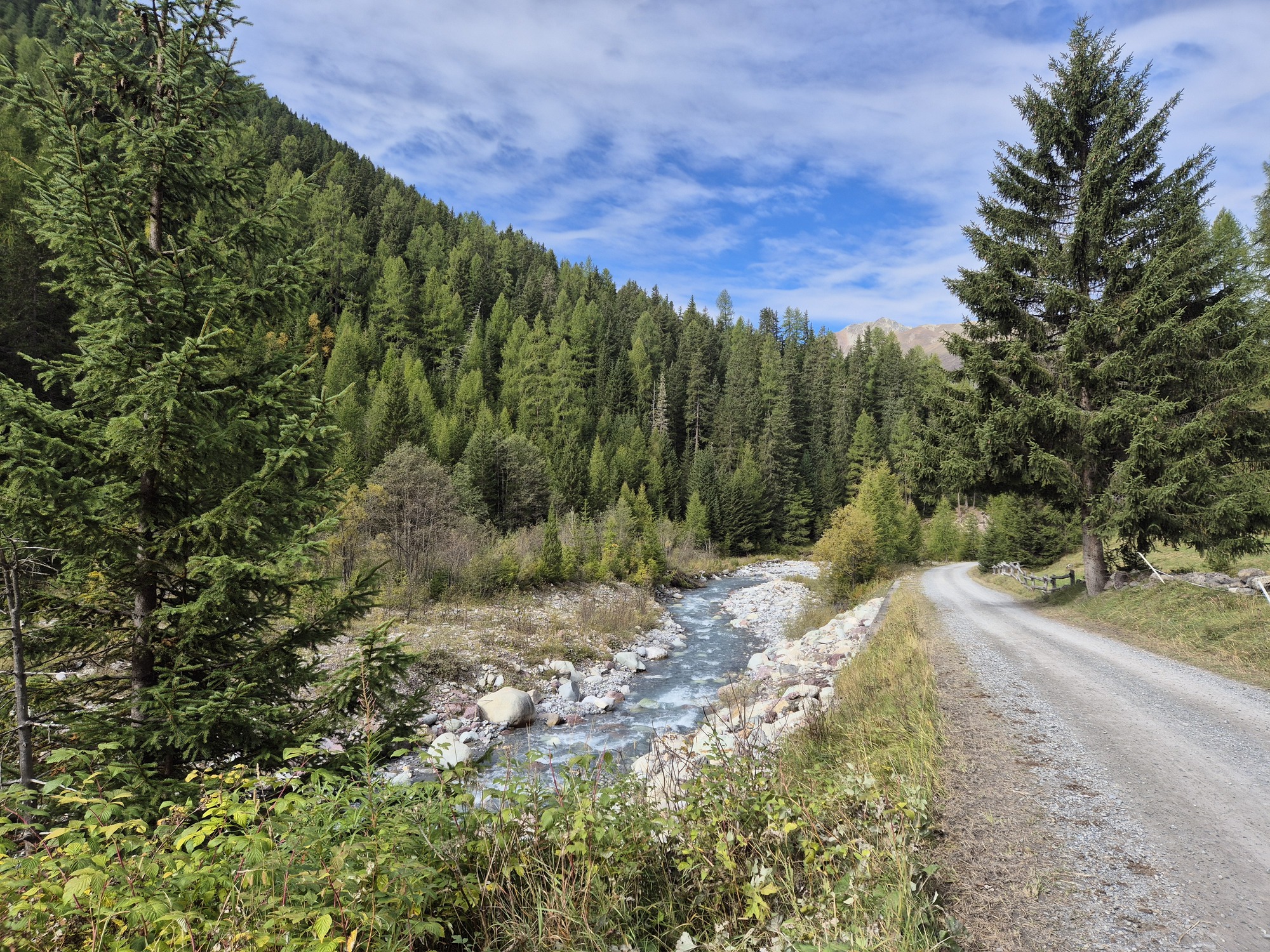
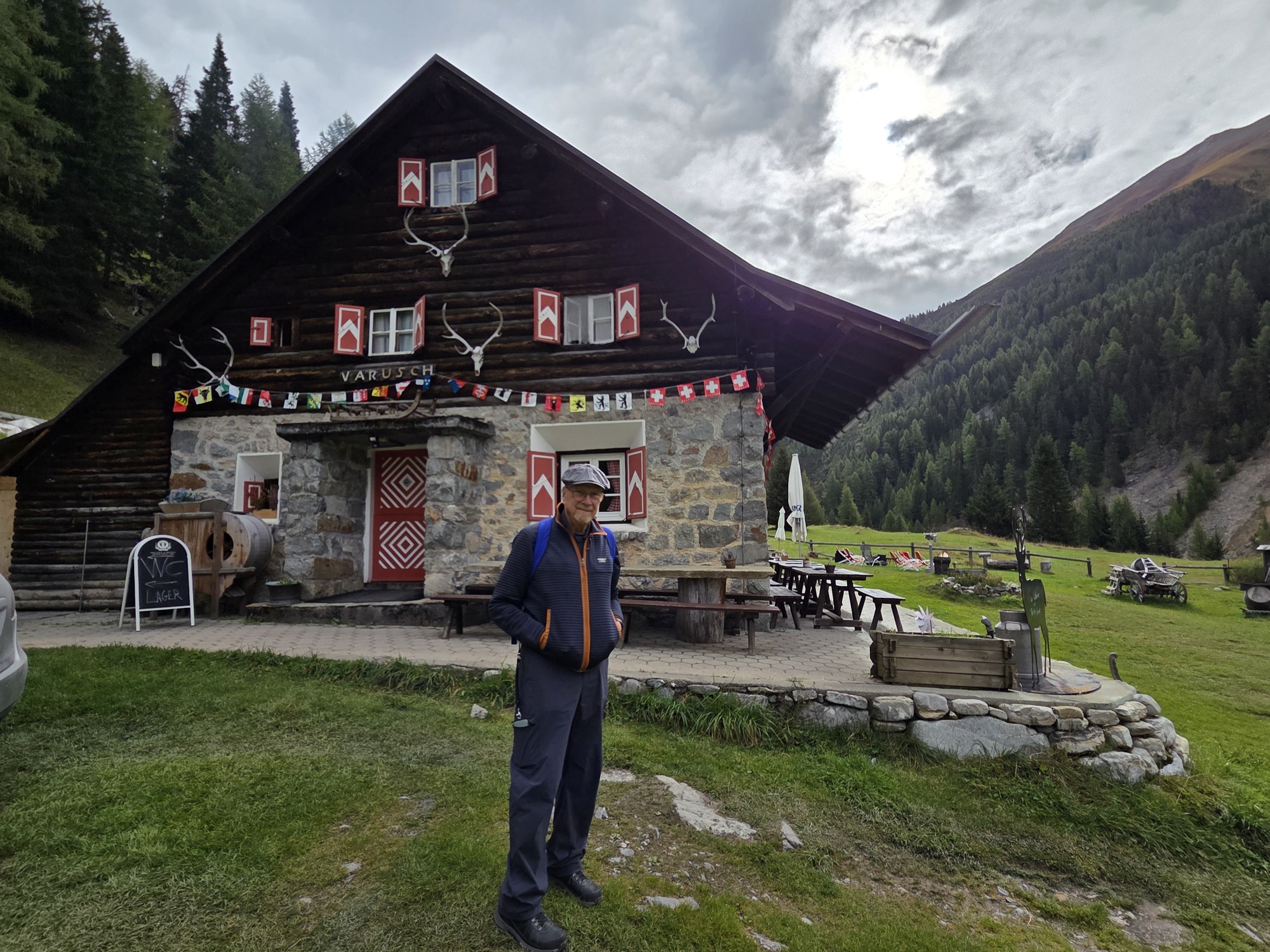
Our modest day 2 hike was started at the last bus stop whose route took us through tiny villages, past grazing sheep and cows, and into dense forest. There were no personal vehicles allowed past this point. To get to the National Park you traverse the area on foot at this location. Or take the “tourist shuttle.” We hoofed it through the forest above the rushing Ova da Varusch to the aptly named Parkhütte Varusch. Here we indulged in a late morning perfect cappuccino at the midway point of our 90-minute hike. Sheer bliss. We encountered very few people with our early start (on the trail by 9:15) and were the first customers at the hütte. The hike requires no special equipment save sturdy shoes as the first half of the trail has plenty of roots and rocks and wet places. The forest is pristine; there are no sounds of traffic unless a plane flies over. We didn’t even hear anyone talking. Just the rushing river which must be a sight to see during spring melt.

Laurel above the river in the forest; A perspective on the river with the easy-hiker road below; The easy road back; Ric at the coffee stop; The Tourist Shuttle.

Thus refreshed, we took the ultimate easy-hiker route down a road that the shuttle runs on. Many cyclists were using it to go up the valley and a fair number of walkers chose the groomed route as well.

Arriving back at the start, the 11:08 bus had left 5 minutes prior and the next one was not until 12:15. Time for an early lunch break! Does it get any better than a path to cappuccino and lunch?

Today, we hiked to a fabulous glacier view at Morteratsch. This was at >6300 feet. Color us tired!

What I do after a European trip

20 Jan

20 January 2025.

Getting home from a trip there’s a lot to do in a jet-lagged state: unpacking, laundry, restocking the pantry and refrigerator, doing the delayed fall garden chores, convincing the cats we still love them.

But the real work starts once jet lag passes: organizing photos and updating our books. This takes hours and hours to ensure the accuracy of every recommended URL, the schedules for buses and lifts, the most recent transportation pass offers, and to write up new hikes and changes to prior recommendations. Ah, retirement! But this is a job.

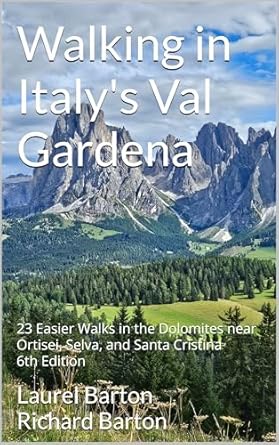
January 1 we published the 4th edition of “Walking in Switzerland’ Berner Oberland” and January 18, “Walking in Italy’s Val Gardena” came out in its 6th iteration.

For those dreaming about these locations, we offer inspiration to plan the trip with logistics seldom found concisely presented online. From transportation to trailheads, each walk or hike is described clearly so you can be certain every hike is within your ability.

Here’s a description of each book and a link to purchase in the US. For other markets, consult your respective Amazon site.

Walking in Italy’s Val Gardena

There are many hiking guides to Italy’s Dolomites featuring long treks of 4-6 hours, as well as multi-day ventures and the famous via ferrata. What makes this one so special? This is a guide to easier options for walking in Italy’s breathtaking Val Gardena! Seniors, people with children, and anyone who wants to experience the mountains but not climb them will benefit from the 23 walks that are carefully described.

We guide the hiker through the breathtaking scenery using itineraries suitable for anyone who likes to walk, likes to be in nature, and who enjoys Italy, but may not have the stamina for longer, more strenuous hikes.

This unique guide includes 23 walks in-and-near the Val Gardena towns of Ortisei, Selva, and Santa Cristina, as well information on when to visit, how to get around without a car, and sample itineraries to help you plan your stay of 3, 5, 7 or more nights. Of special interest will be the easy hikes in the amazing Alpe di Siusi.

Included are maps, directions to the trailheads, walking time and distance, where to eat along the trail, beautiful photographs, and details on how to use the system of mountain lifts and buses to access the high meadows and breathtaking Dolomite views. You will discover delightful rifugi, mountain restaurants offering shelter and great food making each walk a special expedition. In addition, every walk is accessible by public transportation!

The authors travel to Ortisei frequently exploring this mountain paradise discovering and documenting the walks to share with you so you can be certain every hike is within your ability.

Walking in Switzerland’s Berner Oberland

Switzerland’s Berner Oberland is a hiker’s paradise, whether you like easy paths or dream of attempting the Via Ferrata. This book will guide you through breathtaking scenery using itineraries suitable for anyone who likes to walk, likes to be in nature, but may not have the stamina for longer, more strenuous hikes. Seniors, people with children, and anyone who wants to experience the mountains but not climb them will benefit from the 21 walks that are carefully described. Also included are instructions on local transportation, sample itineraries to help you plan your stay of 3, 5, 7 or more nights, and suggestions for other excursions as well as rainy-day ideas.

The authors travel to Switzerland frequently exploring this mountain paradise completely via public transportation, discovering and documenting the walks. Even non-walkers will revel in the scenery as they ride mountain trains and enclosed gondola cars to amazing vistas.

What do I do after a European trip and after the book updates are published? Plan the next trip! Most likely with a cat or two in my lap.

Sven and Molly are happy to have us home.

The Delights of Long Trips

1 Sep

1 September 2024.

On our flight to London, my mind drifted to why we love these annual junkets so much. I could say the “thrill of travel” or “being away from the everyday.” We are retired so it isn’t a vacation from work.

But it is a vacation.

We look forward to our long trips for so many reasons, not the least of which is the simple pleasure of exploration: Finding new trails and new haunts; revisiting favorite places; riding trains; long lunches with a cold Radler after a hike; eating pizza every Friday night. See (Pizza Venerdi!)

It thrills me to no end that we won’t be subject to political ads. We will be home just in time to vote, but most of the worst campaign weeks we will be blissfully in the UK, Switzerland, and Italy.

Online news reading will diminish considerably. Why worry?

Consumption of wine and chocolate will increase, but then so does our exercise.

Our calendars will be clear of medical appointments for at least 9 weeks, an achievement, I assure you.

We will miss the cats, dear friends, and the turn of the seasons in the Northwest. But autumn comes to Italy and Switzerland, too. Maybe we’ll get snow! This picture is from a day in September.

Here’s our itinerary for the next two months.

  • Richmond, UK
  • Milan for a one-night transition to
  • Ortisei and the Alpe di Siusi
  • One night in Zurich as a transition to
  • Lauterbrunnen for almost 4 weeks
  • Locarno, a new-to-us location for autumn hiking
  • Rome, our fist time back since we moved back to the US in 2016
  • Iceland, for 24 hours with a non-stop flight to PDX

A couple of intra-Europe flights, unusual for us, lots of trains, 4 good long stays (Ortisei, Lauterbrunnen, Locarno, and Rome) allowing us to settle in and truly enjoy each location. In the case of Rome, allowing us to eat at our favorite haunts.

We hope you will follow along. There will be beautiful scenery, lots of pizza, and some lovely trains.