Summertime and the city is deserted

18 Aug

Everywhere you go, businesses are closed. Some are closed for the whole month, some for a week or two.

18 August 2012

Every blogger seems to be writing about Ferragosto, the heat, and the Italians fleeing the city. Lacking a family casa al mare (house by the sea) we are, of course, here working. And this city is indeed a strange place this month!  Ferragosto is the Italian late-summer holiday introduced by Emperor Augustus, now a big family day (think beach, lunch with Grandma) and also a religious day, The Feast of the Assumption. Many people build a vacation around it, much as Americans would do around Independence Day.
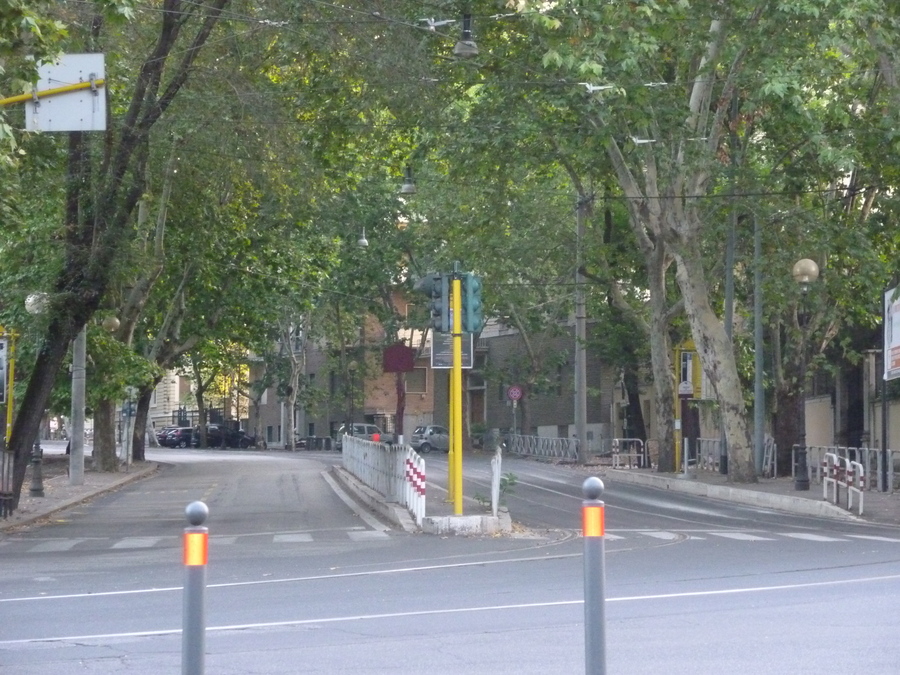
7:00AM – There should be trams, a bus or two, several motorini, and dozens of cars. Niente this week!

There’s little or no street construction, so noise is  reduced considerably. Many apartments are empty and we hardly see any lights on at night in the neighborhood. Portieri (building superintendents) are on duty all month to provide extra security for vacant apartments.

At lunch, you might have to hunt around for a small cafe to even find a sandwich. Some grocery stores shorten their hours or close for a couple of weeks to remodel. We also hear evidence of some indoor remodeling work as apartment owners have projects addressed while they are on vacation.

Piazza Fiume, major bus plaza, deserted

5:15PM Friday – This piazza is usually a chaotic mix of cars, motorscooters, buses, taxis and pedestrians. Not yesterday during my “rush hour.”

At the office the phone doesn’t ring, there’s less mail, few visitors, and meetings are cancelled for lack of attendees.

In the evening, there’s a sense of desertion. It’s eerie in a Zombie-Apocalypse sort of way. Buses still run, but some are less frequent. One part of the Metro is shut down for renovation.  Why not? Ridership is down. So what if tourists are confused?  It will reopen in time for back-to-school-and-work.

Summertime and the parking is easy! Usually filling up with commuters when I walk through, this street is in Villa Borghese. The dogs playing in the park have disappeared and the joggers are few.

Except for major tourist areas, the buses are almost deserted and on schedule.

Poor Man's Limo - Alone on the bus

Usually I have to stand on the way home, at least until the last few stops. This week, I not only get a seat, but I am the last one on the bus for almost half the trip.

We were kind of dreading August: the heat, the stories about closures and inconvenience. However, I think I am going to like August here.

  • My morning commute (walk) is serene and I don’t have to dodge traffic
  • I have time to catch up on projects at work
  • We avoid cooking as much as possible  and go out to the restaurants that remain open

And sometimes we get marvelous thunderstorms!
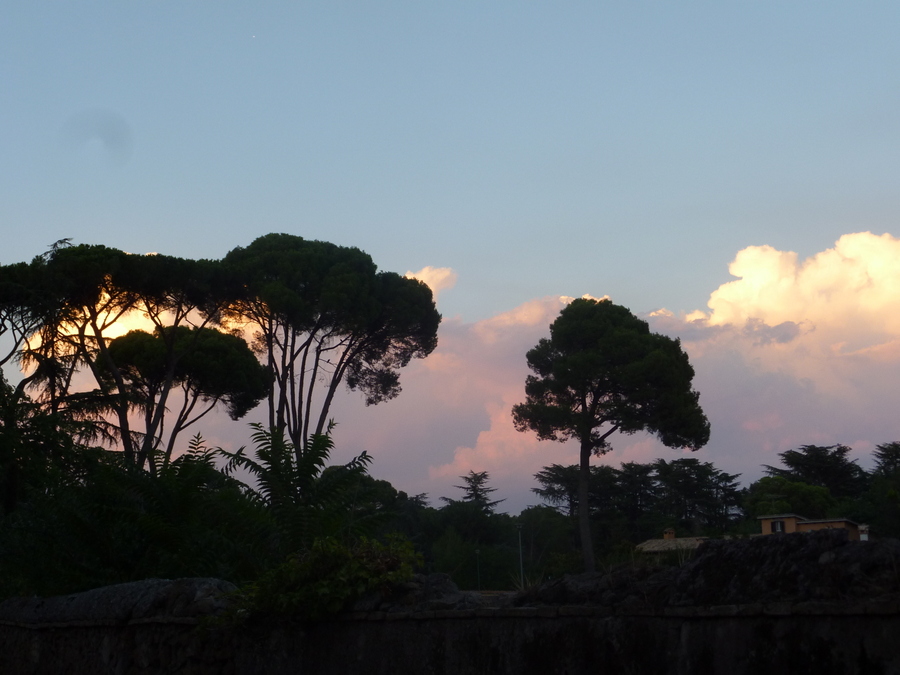
We grew up in thunderstorm country and missed them while in Portland, where they are neither frequent nor intense. In Rome they are intense, if not frequent. Monday we were treated to a two-hour show! (Although I did get soaked on the way home.)
Pizza night

12 Aug

Every Friday night is pizza night for us. Last Friday night we set off for a new place, about a 25 minute walk from our apartment, only to arrive and find a sign Chiuso for ferie (Closed for the holidays) until late August!  Yes folks, it is Ferragosto an ancient Roman tradition started by Emperor Augustus (it is his month after all), and co-opted by the Catholic Church as the “Feast of the Assumption.”  Ferragosto is a one-day holiday on August 15 that can be expanded up to a full month for small businesses that choose to shut down. What makes our experience worse, Ric had walked by on Thursday to make sure they were open: they were and no sign about ferie. I  had called for reservations and was successful. But there are two restaurants with the same name and I had called the one across town. Upon arrival, we found the sign, hastily posted that very day. Chiuso. We salvaged Friday night with a nice little dinner in a cafe across from our targeted establishment and had a fine experience. But we hadn’t had our weekly pizza!

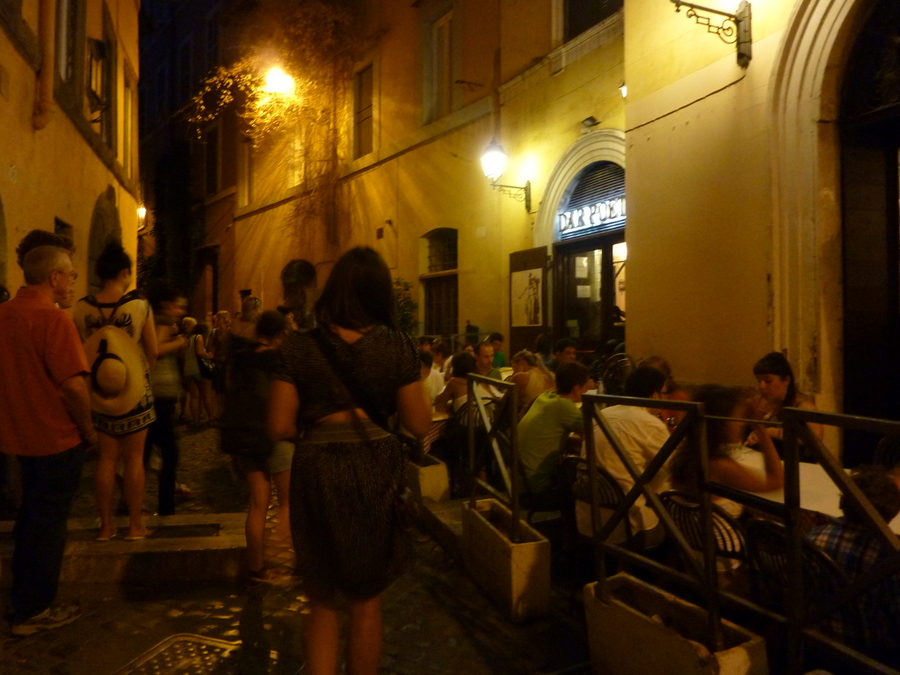
So Saturday  we ventured far across Rome to Trastevere (literally “across the Tiber”) and wound our way through alleys to find once again Dar Poeta.

Dar Poeta – Absolutely worth the wait! The expediter did a great job. Tables cleared quickly and we were seated in about 20 minutes.

We had eaten lunch here in October 2010. No crowds at lunch as Romans don’t eat pizza for lunch.  Despite the crowd last night, we waited only about 20 minutes.

From their English language webpage: Our pizza isn’t neither roman pizza (low and thin), nor neopolitan pizza (thick on the edge and spongy), our pizza is . . . DAR POETA. We remembered it being good from our 2010 visit, but it really is the best we’ve had in Rome so far.

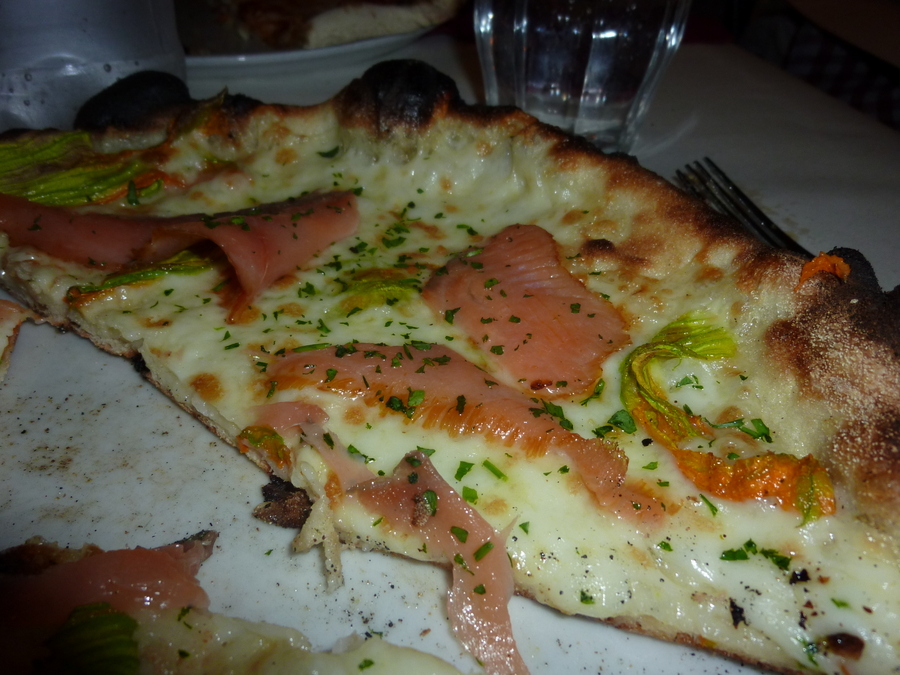
Ric had a zippy lingua di fuoco (tongue of fire: hot salami and peppers), while I sought out the non-traditional salmone e fiori di zucca (salmon and zucchini flowers). So happy! Sorry, but I ate about a third of it before thinking of all of you in the Pacific NW who would love to see salmon on a pizza.

Starring lox and zucchini flowers, by American standards, not a “normal” pizza, but my was it delicious!

No red sauce, lots of cheese, a sprinkling of parsley dress up lox and zucchini flowers. Hop on down to Papa Murphy’s and see if they can whip one up for you. Oh, and for the uninitiated, in Italy you get a whole pizza to yourself (about the size of a dinner plate) and it arrives uncut. That’s why we have to walk so much. (That and the wine.)

We will continue our search for the best pizza so when you come to Rome to visit, the work will be done for you. We don’t mind helping out. You can thank us later.

BTW, we get Wednesday off as a paid holiday. Rome is already a ghost town as so many people are on vacation, so we’ll see what it’s like on the actual holiday. Buon Ferragosto!

A castle and a palazzo

6 Aug

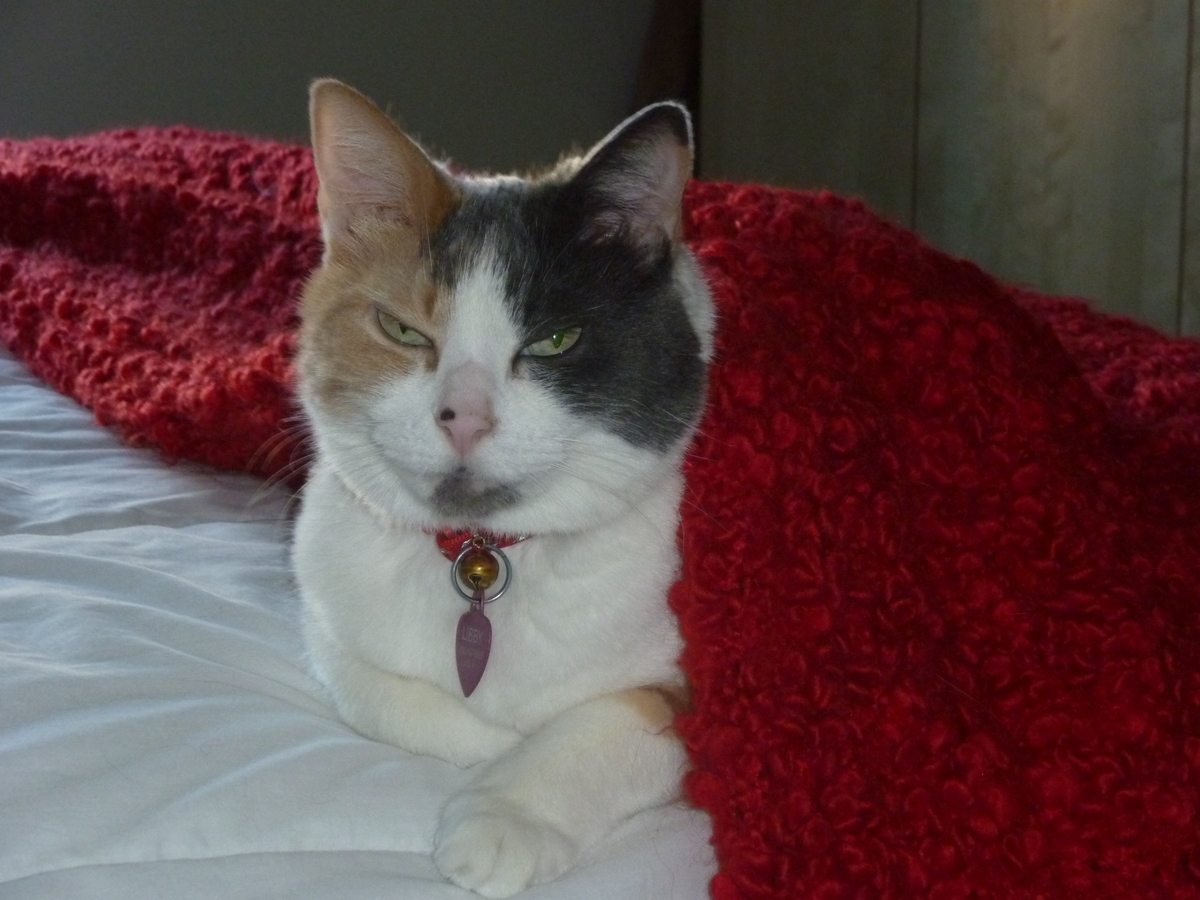
We had a busy and fun weekend. While some would cower in air-conditioned comfort, we headed out to experience more of Rome. The key is to go early, come home by noon-ish, then back out at night. There’s too much to do in Rome in the summer! You can’t curl up under the covers like LibbyJean!

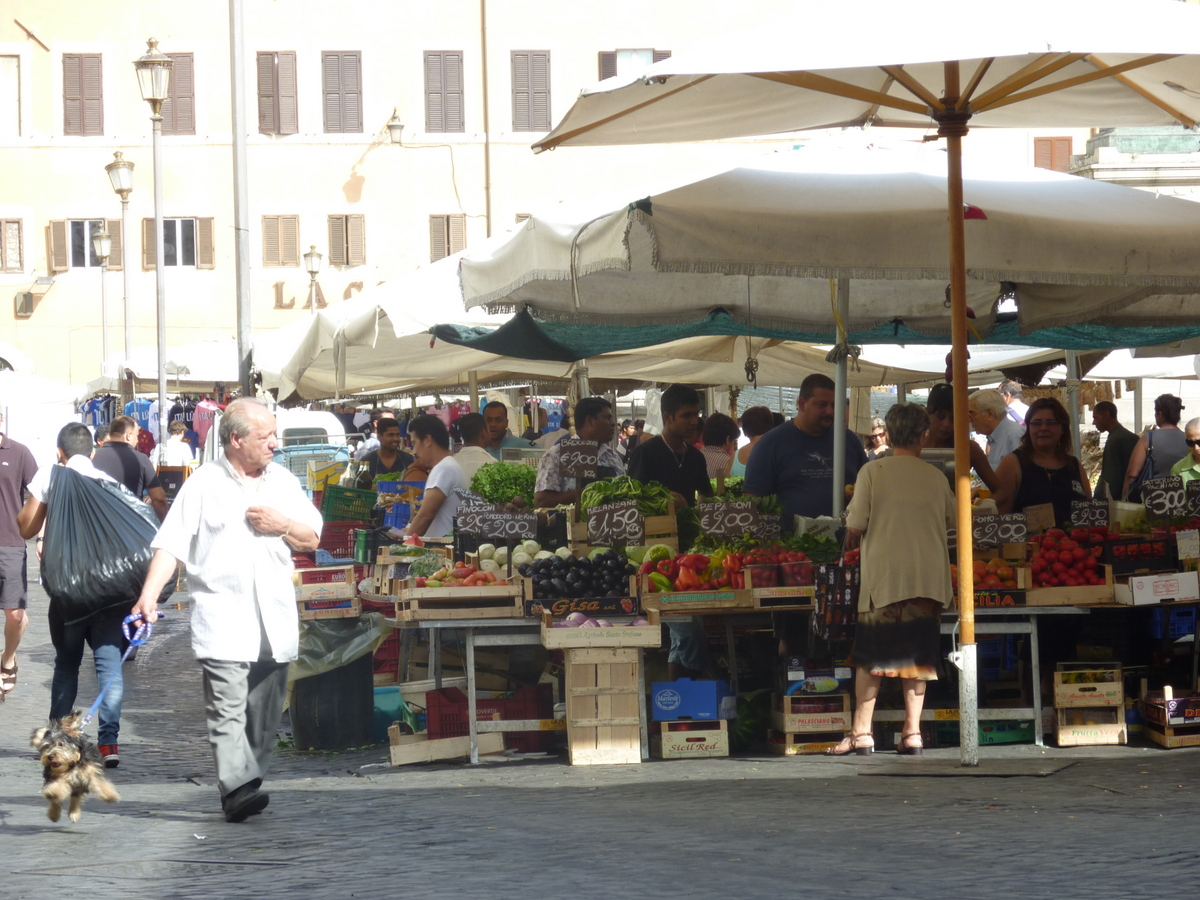
Saturday we always go to Campo dei Fiori, a busy busy market almost any day of the week. We love the bustle and hustle, and access to the best salumi in all of Rome: Antica Norcineria Viola. Unfortunately now closed for ferie, so we have to make do with our stockpile until he returns in September.

Beautiful vegetables and the best salumi in Rome.

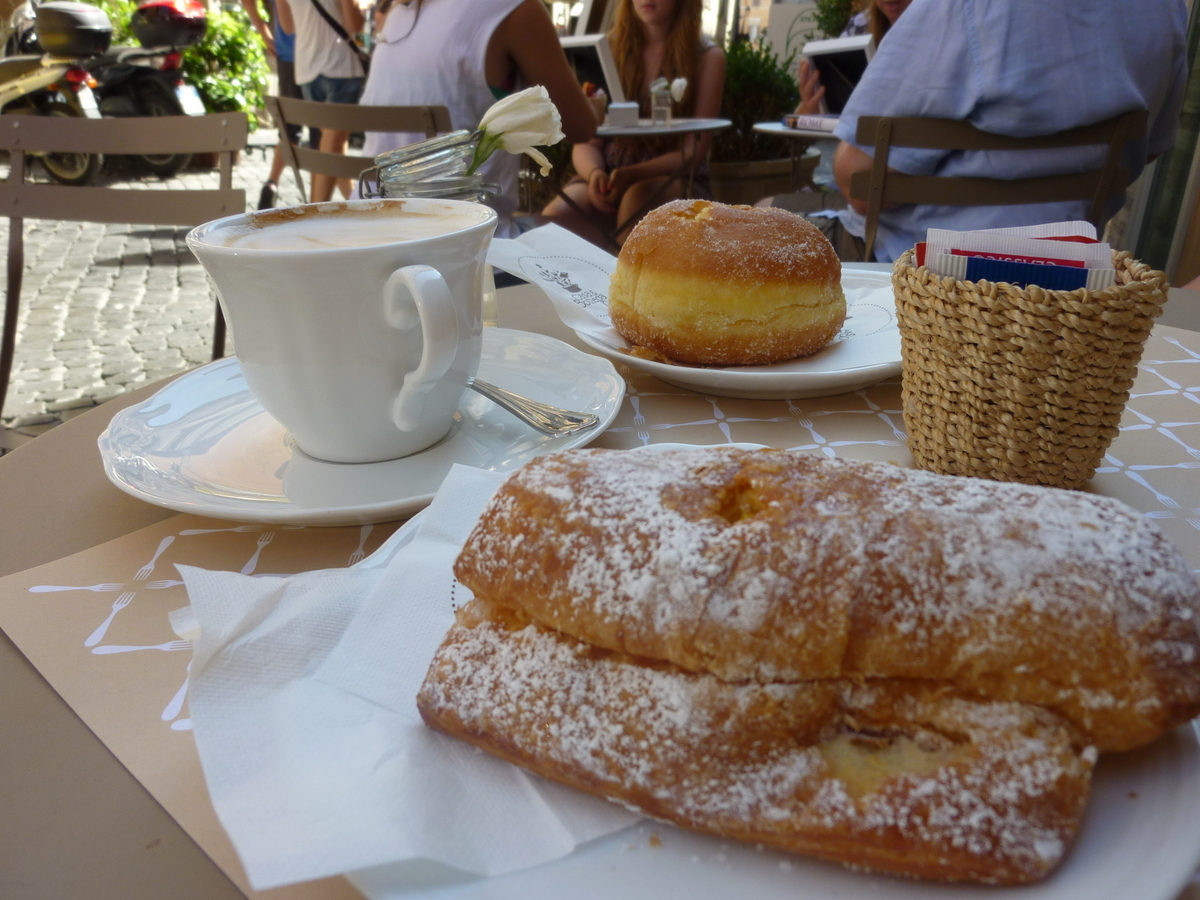
We also had our usual cappucino and pastry, this time con mele e crema, near Santa Maria della Pace.

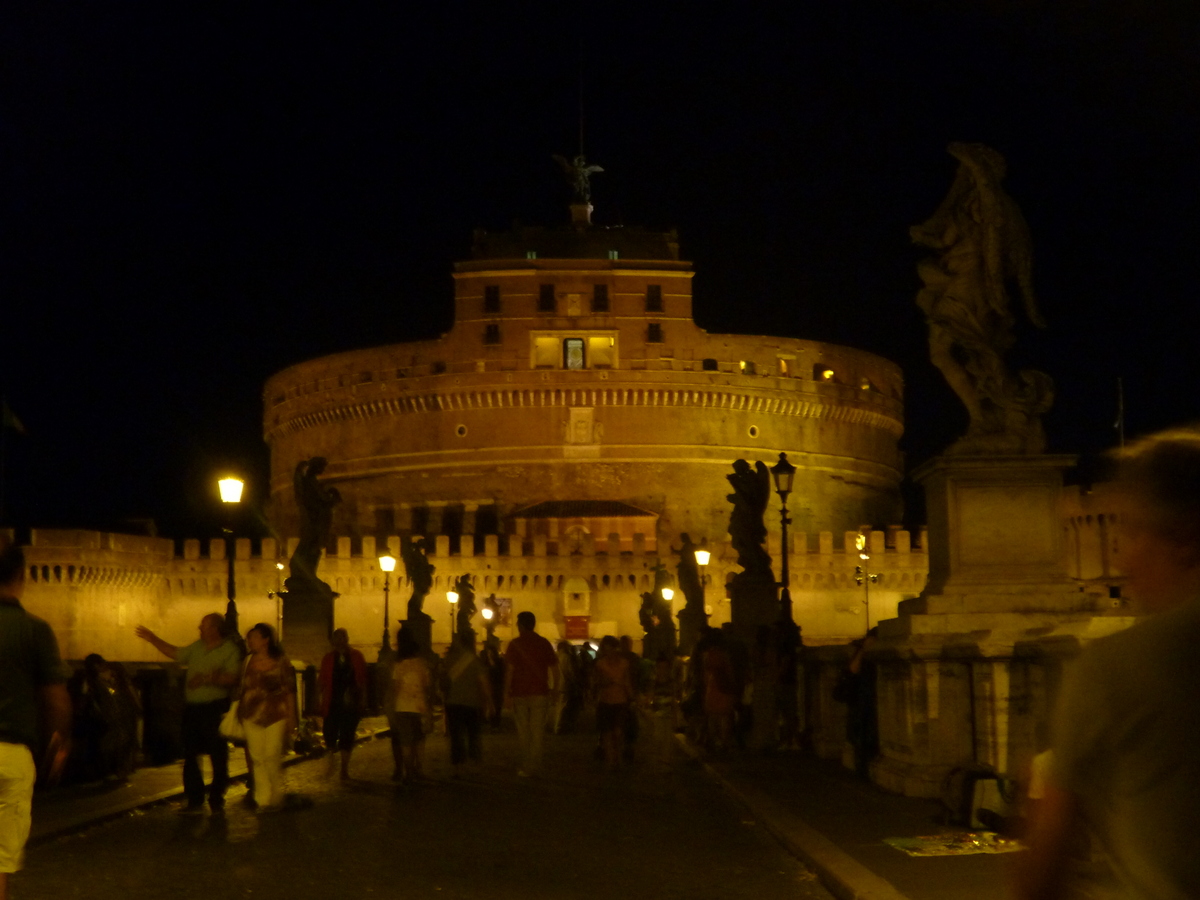
Saturday night, after dinner at our favorite little trattoria, we ventured to Castel Sant’Angelo for Notti d’Estate (Summer Nights), and a special tour including the Passetto di Borgo (secret passage allowing the Pope to escape if the Vatican was sacked — and it was), prisons, and the bathroom of Clement VII.

Castel Sant’Angelo aglow, beckoning.

The English tour, for which we had reservations, was at 22:45. We were there by 22:00, looked around a bit, and then waited for our tour to be called. At 22:50 I asked “When will the English tour start?” Madam it has already left! We never heard or saw anyone claiming to be an English tour guide…. So we joined an Italian tour and vowed to return later this summer and pick up an English version so as to get all the details. Lucky for us, tours continue into September. And with the lovely nights we have in Rome, it will be a good excuse to stay out late once again.

We were able to climb to the ramparts and look down on the Tiber River, the crowd in front of the castle, and the gorgeous moon over Rome.

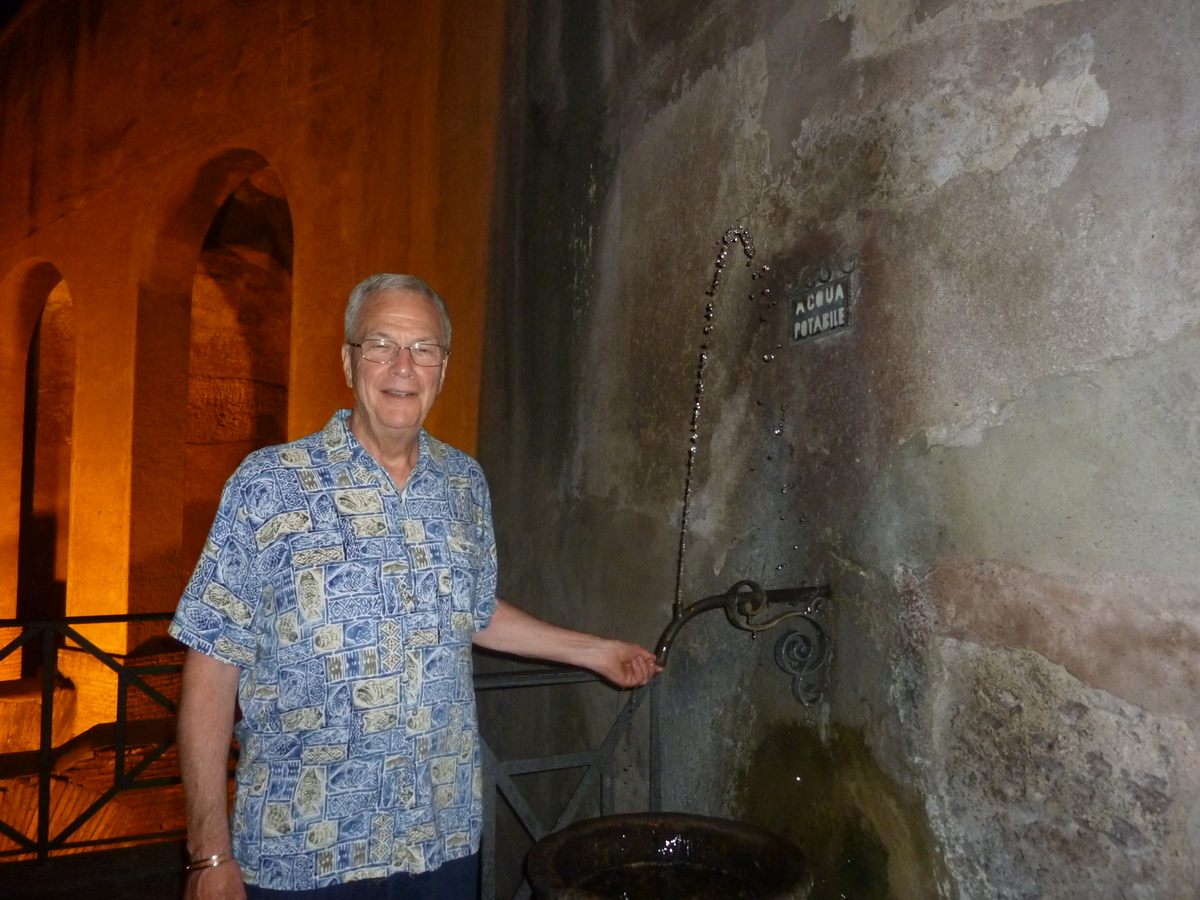
Playing with water: fun for kids of all ages. There are “nasone” and other little drinking fountains like this all over Rome. Ric demonstrates his technique. Block the flow with your finger creating a stream to drink from.

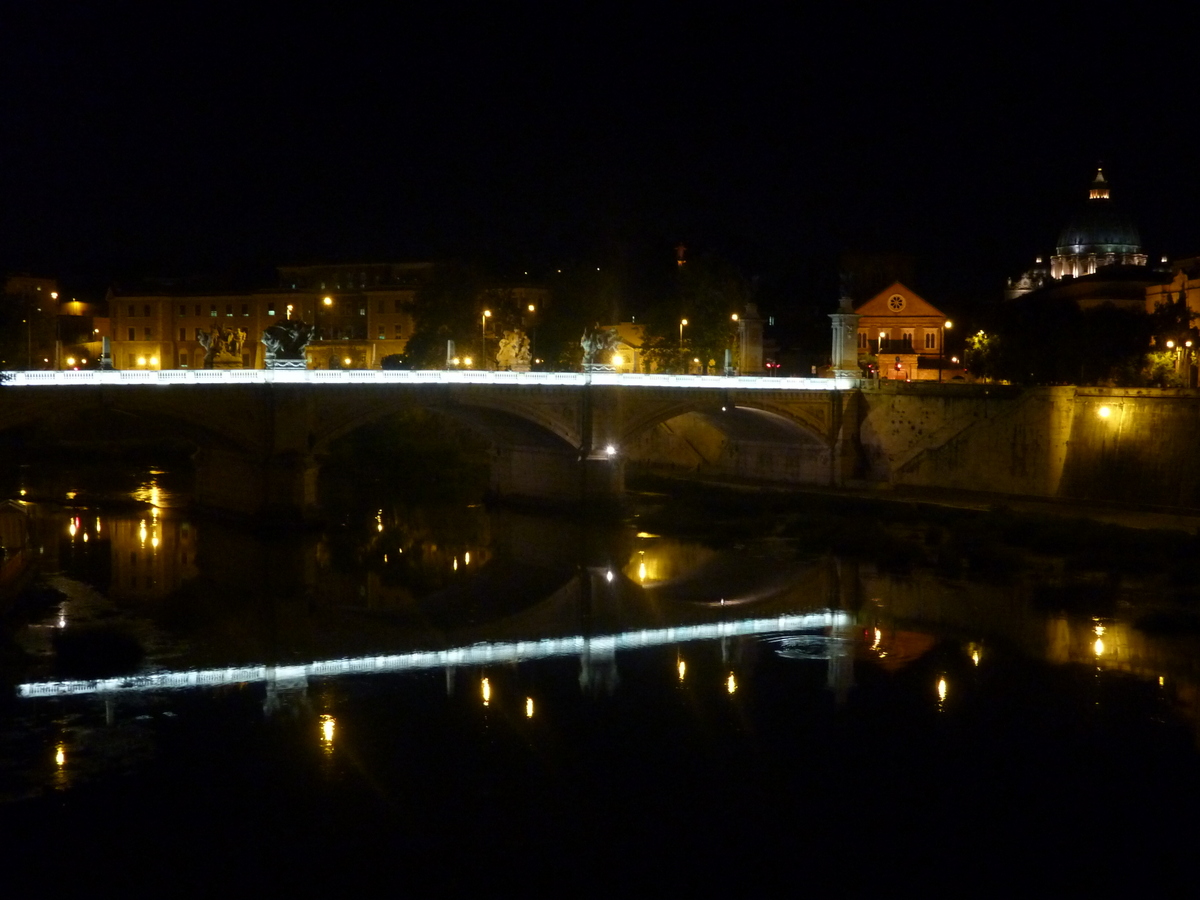
It really was a gorgeous night. The river was still and Rome glowed like it was lit by torches. That’s St. Peter’s Basilica on the right in the picture.

Bridge reflected in the Tiber; Basilica San Petro on the right.

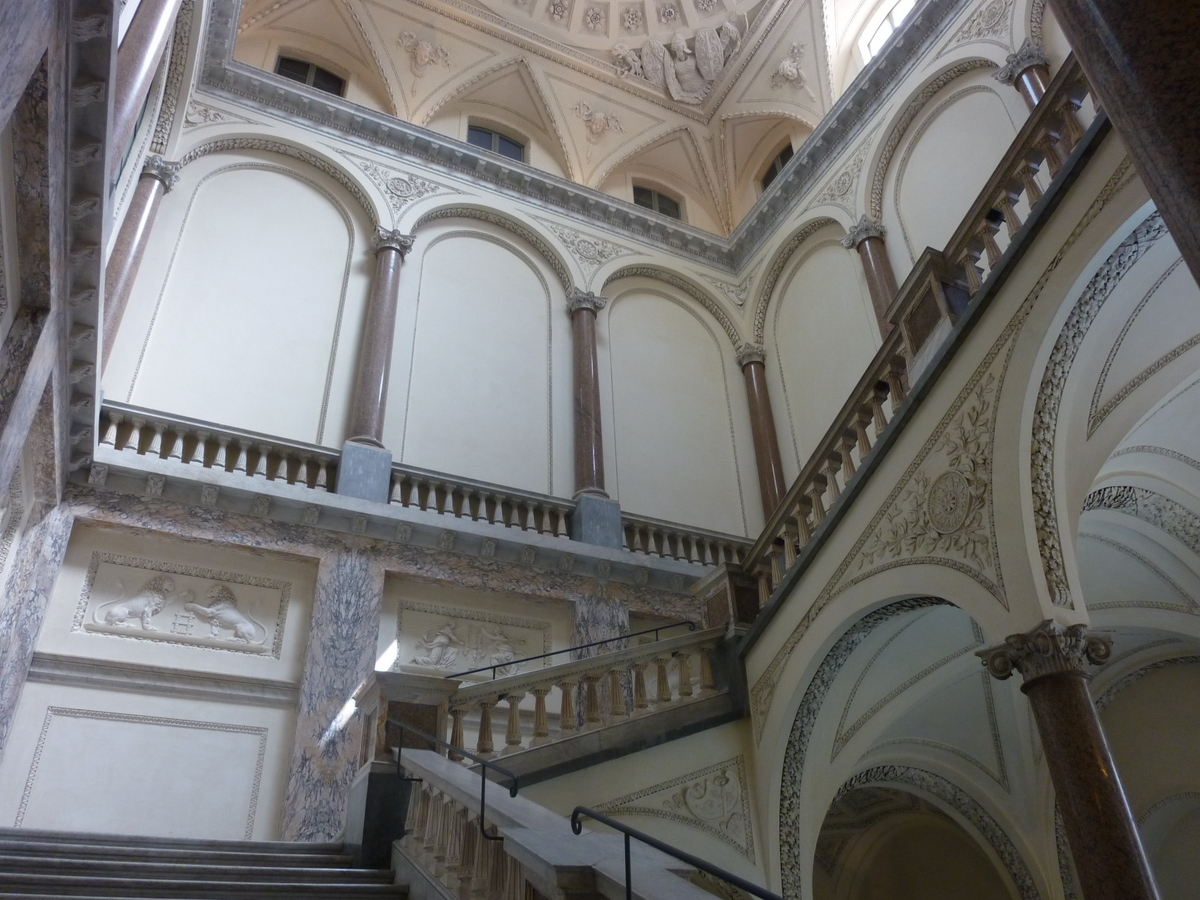
Sunday we ventured out early to see a photo exhibit at the Museo di Roma in Palazzo Braschi. While the photos were great (Italian movie stars of the 40s, 50s and 60s), the star real was Palazzo Braschi

The art is interesting, but Palazzo Braschi is the star.

Featuring many scenes of Rome as painted during the Renaissance, it is fun to see how things looked to the artists of the time. Palazzo Braschi was the perfect stage for its collection.

The massive staircase was like an Escher painting.

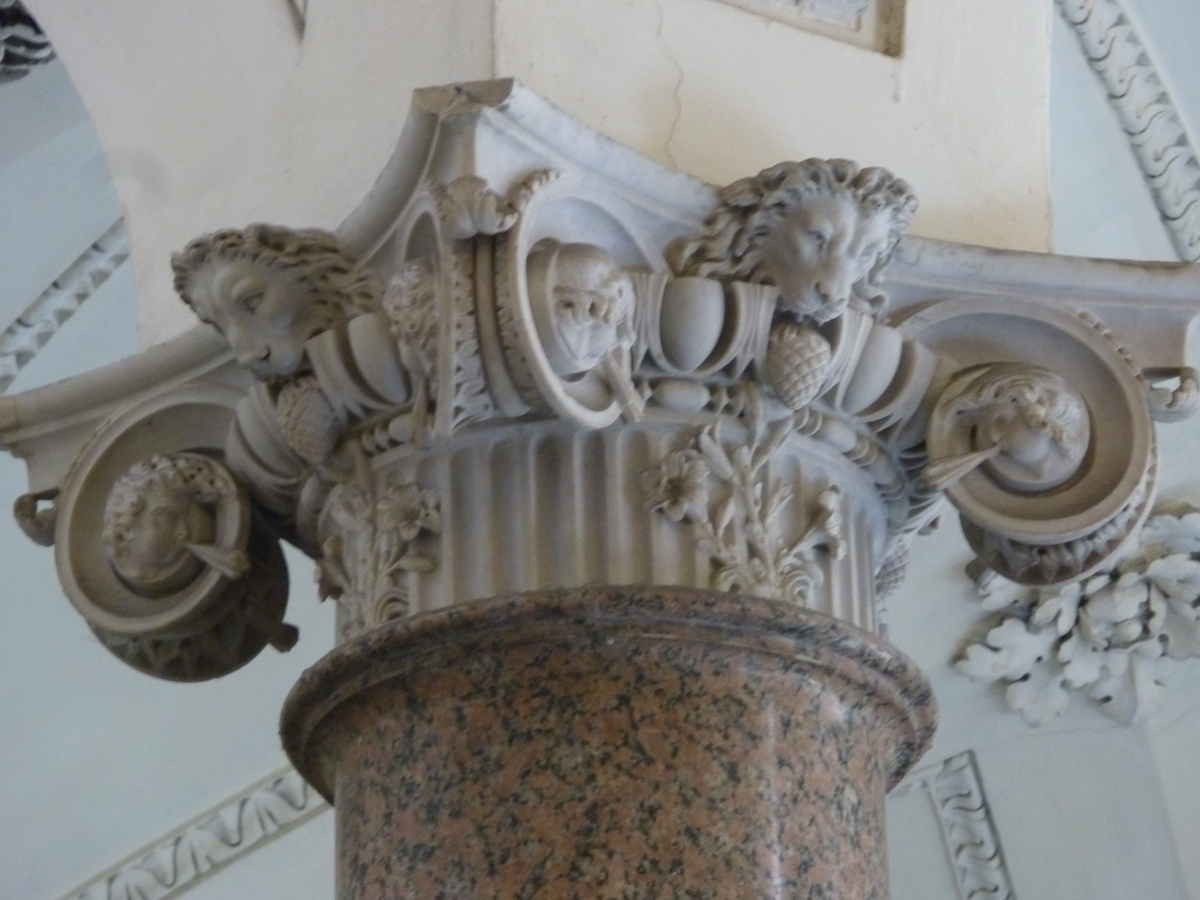
This captivating capital crowns one of the many red granite pillars and is typical of the amazing detail in Palazzo Braschi.

Fabulous detail throughout, this captivating capital is typical.

Residents of Rome get a reduced price, and those residents over 65 with a Carta d’Identia get in free. (There are reductions  for residents at many attractions.) We had the place almost to ourselves. Once you have seen the Vatican Museums, the Capitoline, and the Borghese, it’s nice to avoid the huge crowds and escape to one of Rome’s many lesser-known sites.

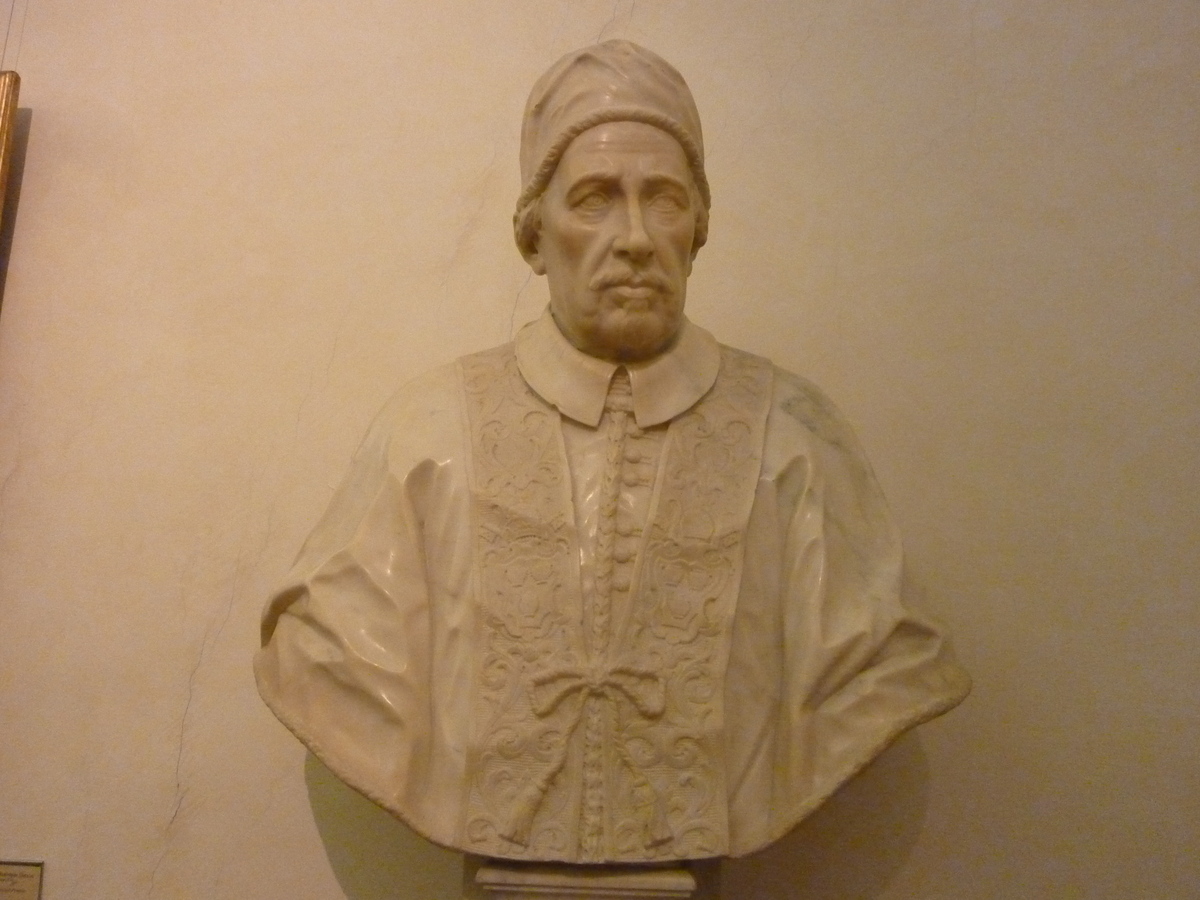
You never know who you’ll see in a museum. We thought this papal bust looked like Vincent Price.

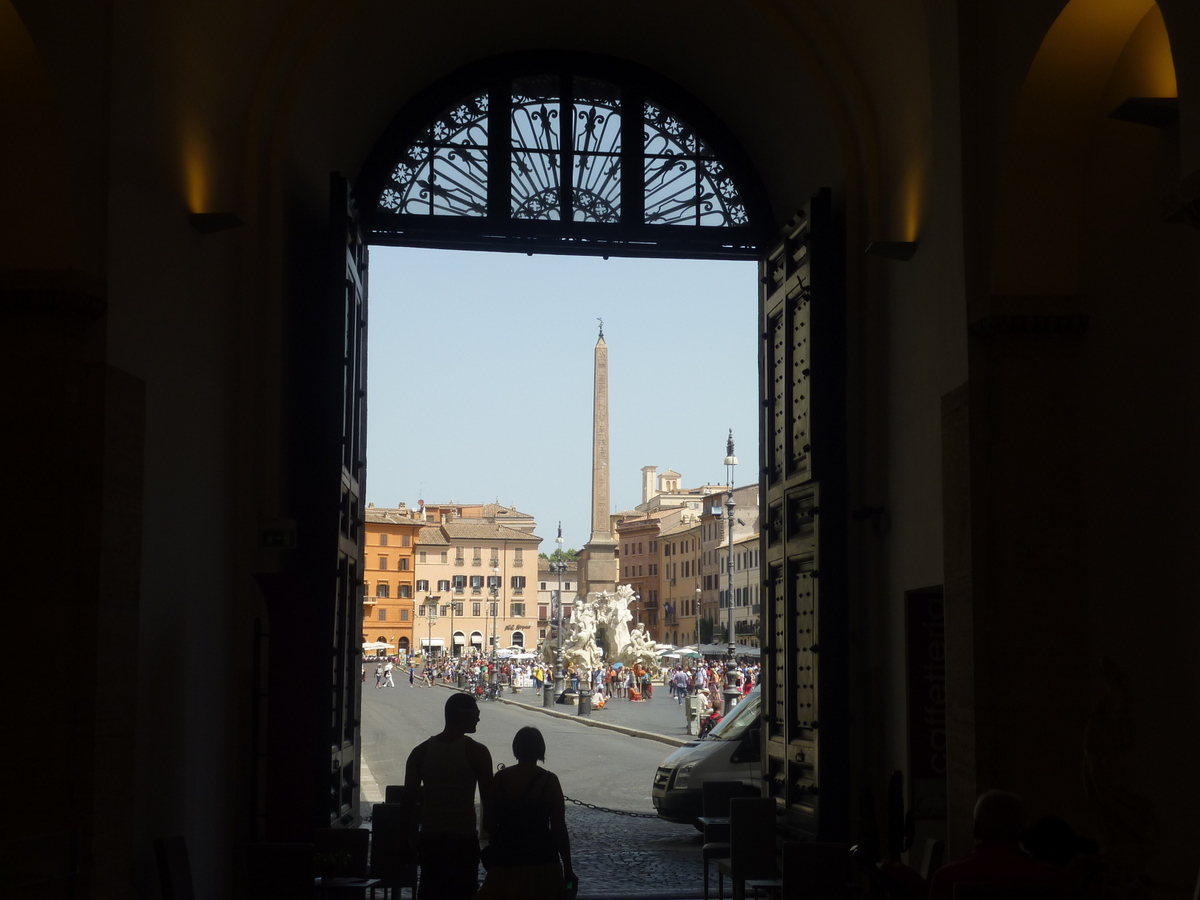
Palazzo Braschi exits right onto Piazza Navona.

Sunday afternoon we spent at home, and after sunset, a gelato outing capped the weekend. Perfect!

Have a great week everyone!

Laurel & Ric on vacation: Part II – Ortisei

28 Jul

It’s been hot everywhere it seems. Ric and I took it hard here in Rome when the heat hit in mid-June, earlier than “usual” we are told. Hottest June in 231 years said one source. Who knew weather records were kept for more than 200 years?  We’ve also been warned that “Rome closes down in August. All of the Italians leave town.” Everyone, it seems, goes to the beach or the mountains to escape the hot city.

Now we get it. Three refreshing days in Ortisei (OR-tee-zay) in the Alto Adige region was an amazing, revitalizing getaway.

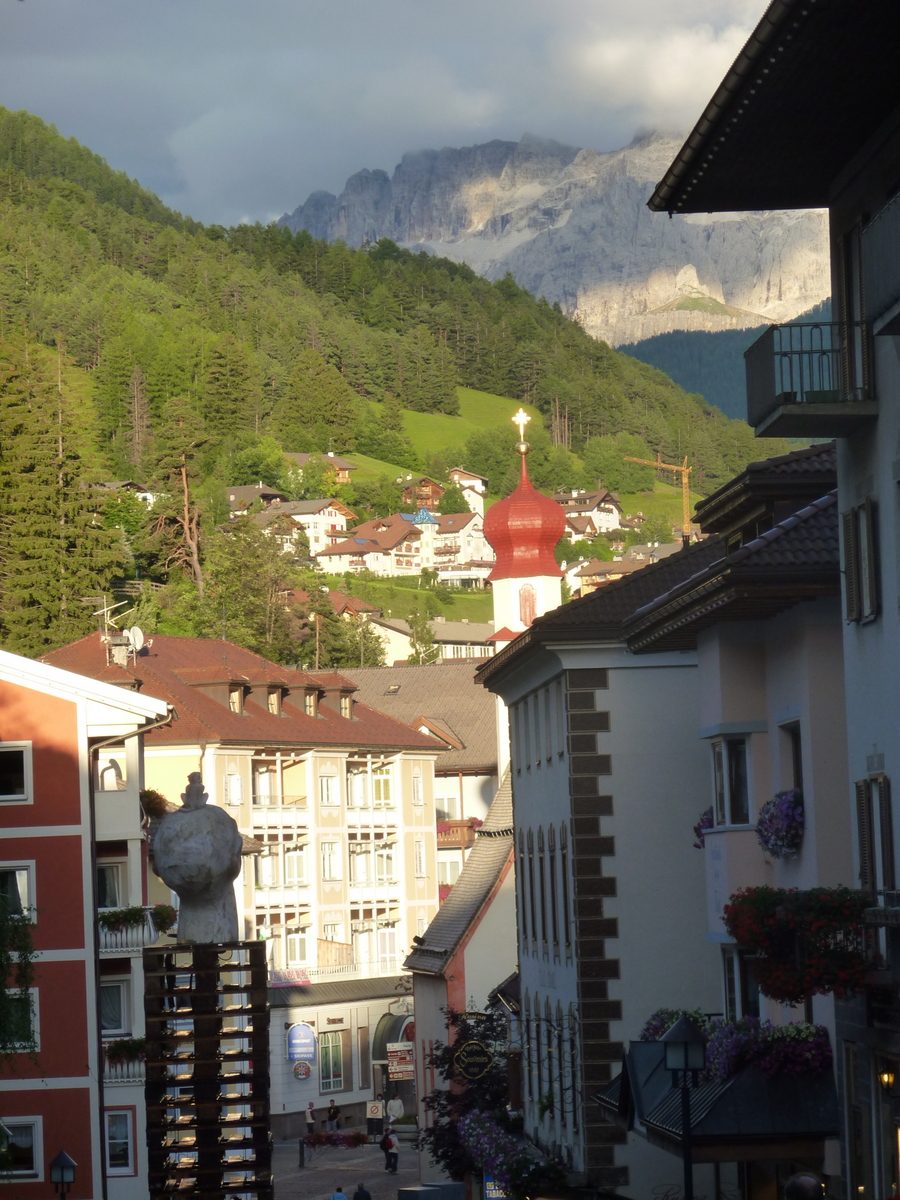
VIew down the main pedestrian-only street in Ortisei.

The town is absolutely charming. While heavy on tourist lodgings with more rooms available for tourists than there are residents of the town, Ortisei retains its character and doesn’t come off as phony or overly commercial.  Ortisei feels more like Austria or Germany than Italy.  One of our Italian colleagues said “It’s not Italy!”  The food, the bread, the signs, the architecture all led to a we’re-not-in-Italy-any-more feeling.  Given that the region was Austrian until 1919, this is not so terribly surprising. Residents generally speak three languages: German, Italian and Ladin, a regional dialect. While many also speak at least some English, the first words out of their mouths are likely to be German. But respond in Italian or English and you will likely end up in a polyglot conversation!

From our balcony we had a view up the valley toward S. Cristina and the Sella Group.

We stayed in the very lovely Hotel Garni Walter. It was a short hike up from the central piazza, and oh-so-pretty and serene. La famiglia Demetz has owned and managed the B&B for 43 years and recently renovated the entire place. Each room is outfitted in pine furniture, Tyrolean fabrics, and federbetten (German-style feather comforters) that kept us warm during the cold nights. No A/C required! To give you an idea of how refreshing the summers are, Sylvia told us on arrival that it was “warm for here: 24C (75F) degrees.” Ortisei is the first of a string of three villages in the Val Gardena. Only a few minutes apart by car or bus, you can also easily visit S. Cristina and Selva Gardena.  All three towns have two names: one Italian and one German. Ortisei is St. Ulrich to the German-speaking population. Each street has two names as well. (Luckily they are clearly marked unlike many in Rome.) The architecture is Tyrolean, with onion-domed churches throughout the area.

Gondolas or “cabinovia” ferry people up — or down — from the Alpe di Siusi.

We love trains, as most of you know, and the area is easy to access by train and bus. Local transportation options include great, comfortable busses plus the cabinovia and funivia: cable ways, lifts, funiculars. Serving skiers in the winter and hikers in the summer, these lifts crisscross the hills, mountains, and high meadows.  (Ric was in heaven with all of these transportation options. During our 6 day trip we took 4 trains, several busses, and 4 cable lifts.)

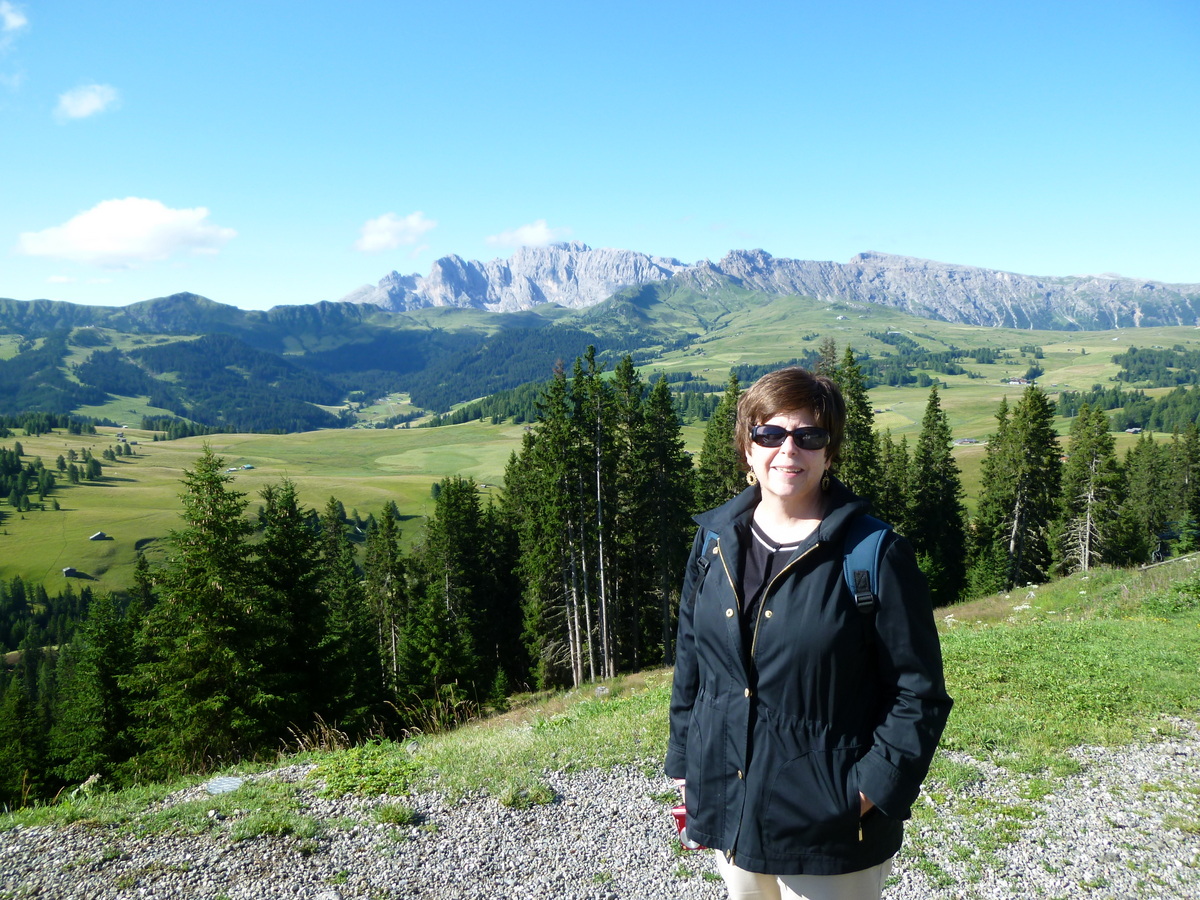
In the Alpe di Siusi, starting our hike at 44 degrees F, bright sunshine, and a terrain so beautiful it could bring tears to your eyes.

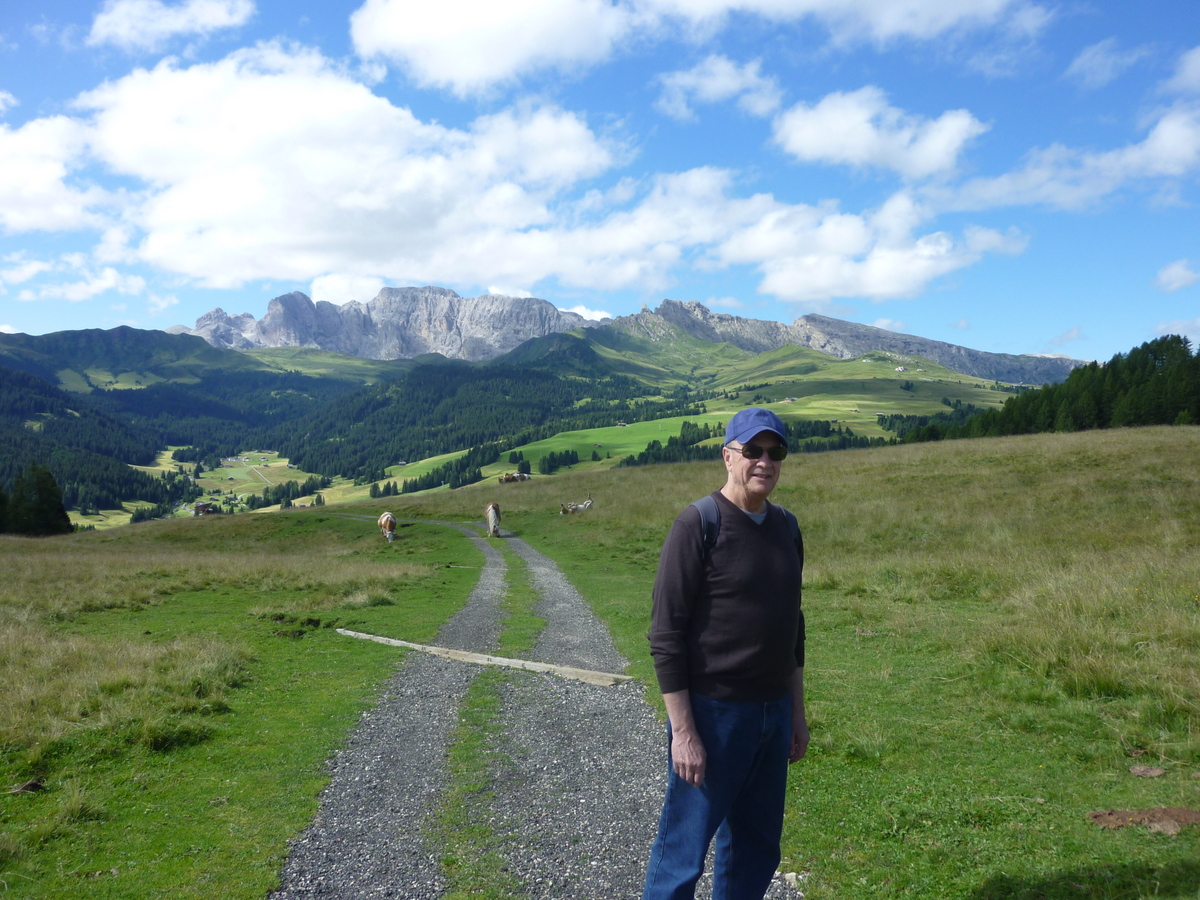
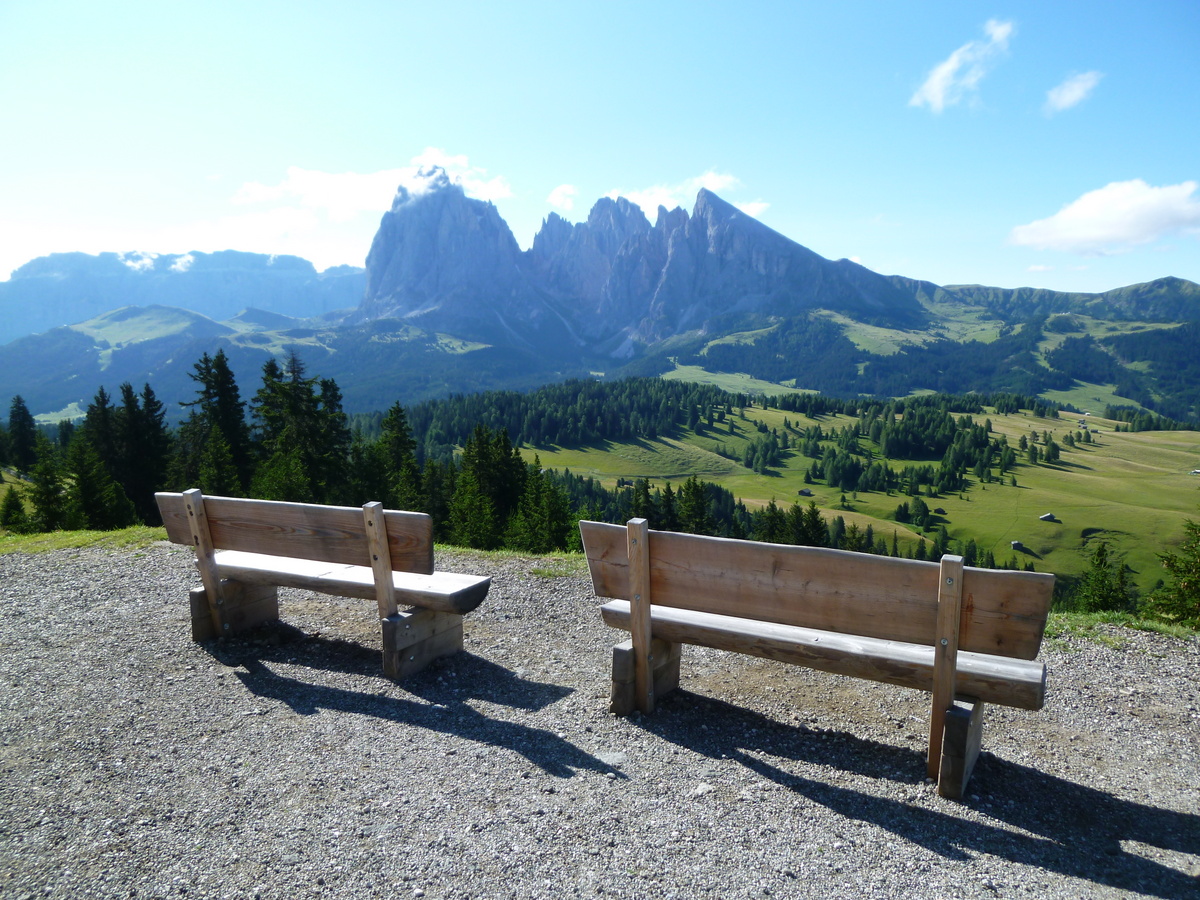
The Val Gardena is a hiker’s paradise. One can hike in the mountains on either side of the Val Gardena, or from town-to-town in the valley. You can hike up to the high meadows or ride cable ways up and hike – or bike – down. We had a lovely hike in the Alpe di Siusi. Starting out one morning at 09:00 the temperature up on top was a brisk 44F/7C but sunny and clear. The green meadows, wild flowers and soaring peaks of i Dolomiti are achingly beautiful.  The peace was disturbed only by the distant ringing of cowbells carried on the light breeze. We set off for Saltria, a “town” at the other end of the meadow from the terminus of our cable way. As is often the case in Italy, the trails are not groomed in the way they are in the Pacific Northwest. Sturdy hiking shoes are a necessity. The trails in the Alpe di Siusi are well-signed however, so getting lost is unlikely. Our terrain included a road large enough for a horse-drawn cart, a footpath through a grazing herd, and a forest path much like in Oregon.

Ric on the hike to Saltria, through a meadow with grazing animals. Yes, this was the marked path, through the herd.

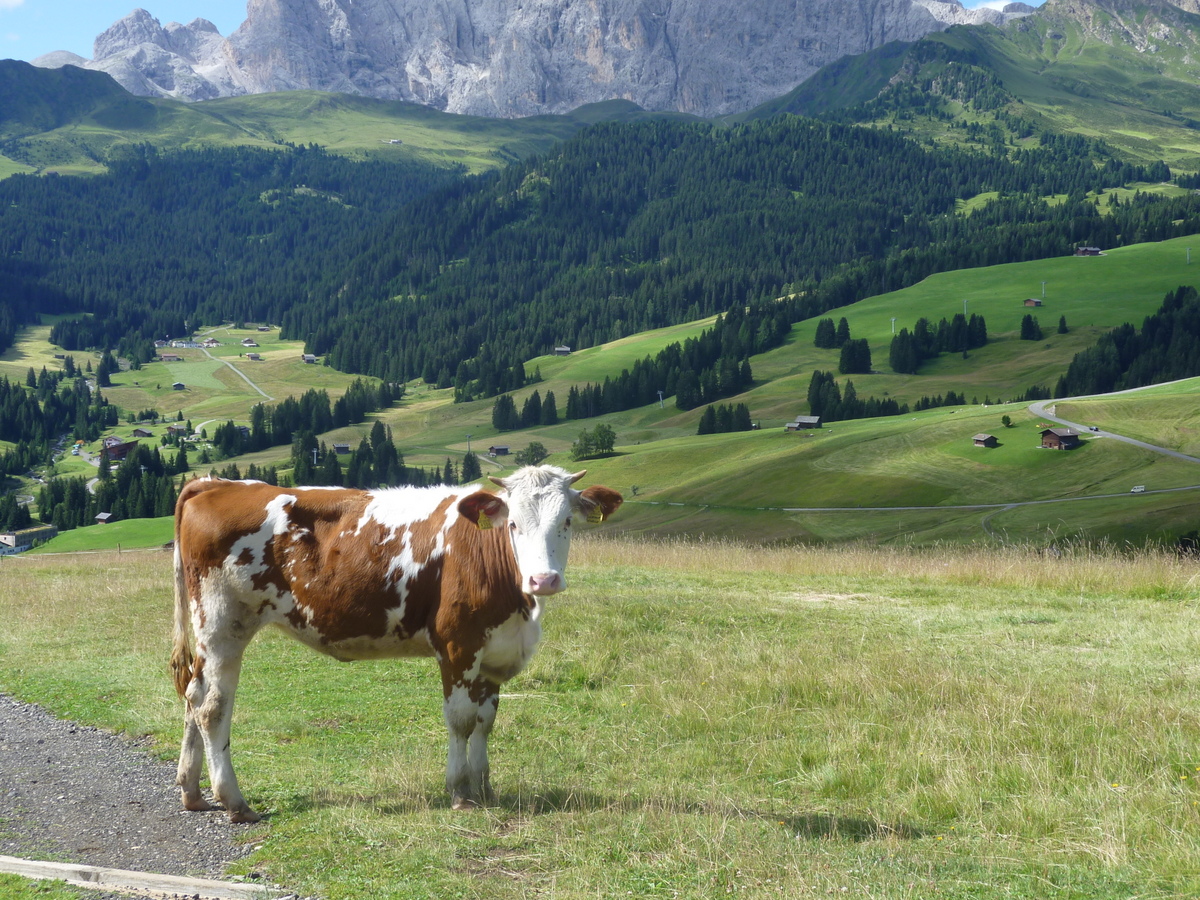
Not common in Oregon are cows straddling the road

Wildlife in the Alpe di Siusi.

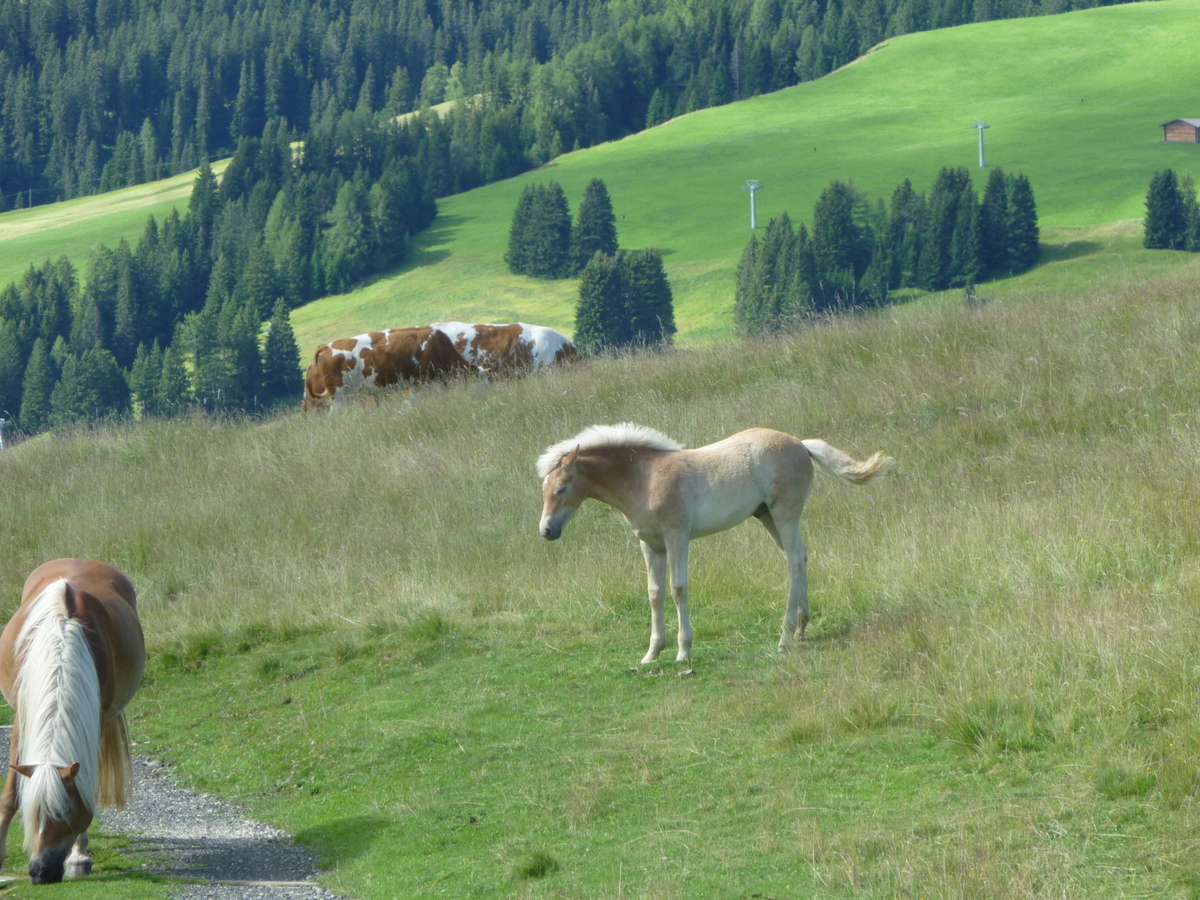
nor ponies looking for a handout. (Shannon T., this photo is included for you.)

Moments earlier, this little guy had been rolling in the grass, thoroughly enjoying the alpine morning.

The “town” of Saltria consists primarily of two resort-hotel/spas and a large bus stop. You can take a comfortable bus from Saltria to Compatsch, where there are more resorts, lifts, and hikes. We were quite taken by the opportunity to actually stay in the Alpe di Siusi, and plan on doing so next year.

I could go on and on. The food is great, as we have come to expect in Italy. You can have a fine pizza from a forno a legno  (wood burning oven), and certainly there is pasta, but also many regional specialties like canaderli (dumplings), Wiener schnitzel, and speck (a type of bacon) is everywhere. We saw – and ate – more potatoes in a weekend than we’ve had in two months in Rome. One of the more unique pasta dishes was spaghetti con cervo, a sauce made with venison.  And a vegetarian option of grilled vegetables is served with a round of warm camembert cheese. That’s one dish I plan to try at home.

We will likely make this an annual trip. Rates go up significantly in August when Rome empties out, so I think we’ll take our annual cool-down break in July when the area isn’t over-flowing with everyone else escaping the hot cities.

We’ll be back next year for certain.

Laurel & Ric on vacation: Part I – Verona

24 Jul

I hear you cynics out there: You took a vacation, and you live in Rome? Yes friends, we had to get away and see more of this amazing country. Plus we needed to cool off!

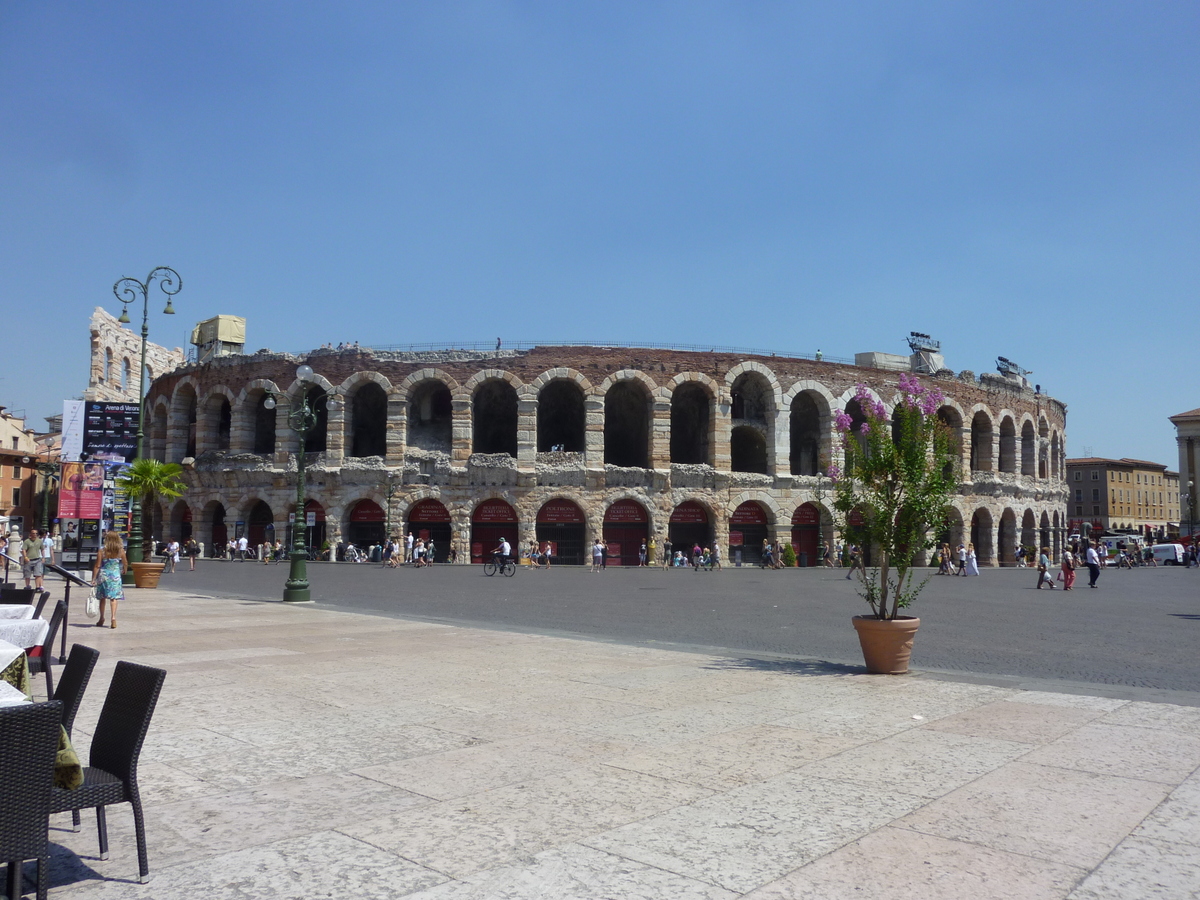
First stop, Verona. You know, Shakespeare: Romeo and Juliet, and Two Gentlemen of Verona. While we made the obligatory stop at “Juliet’s Balcony,” the motivation was to experience this town we’ve heard much about, and to attend an opera in the Arena, a 2000 year old structure much like Rome’s famous Colosseo. It was quite a production.

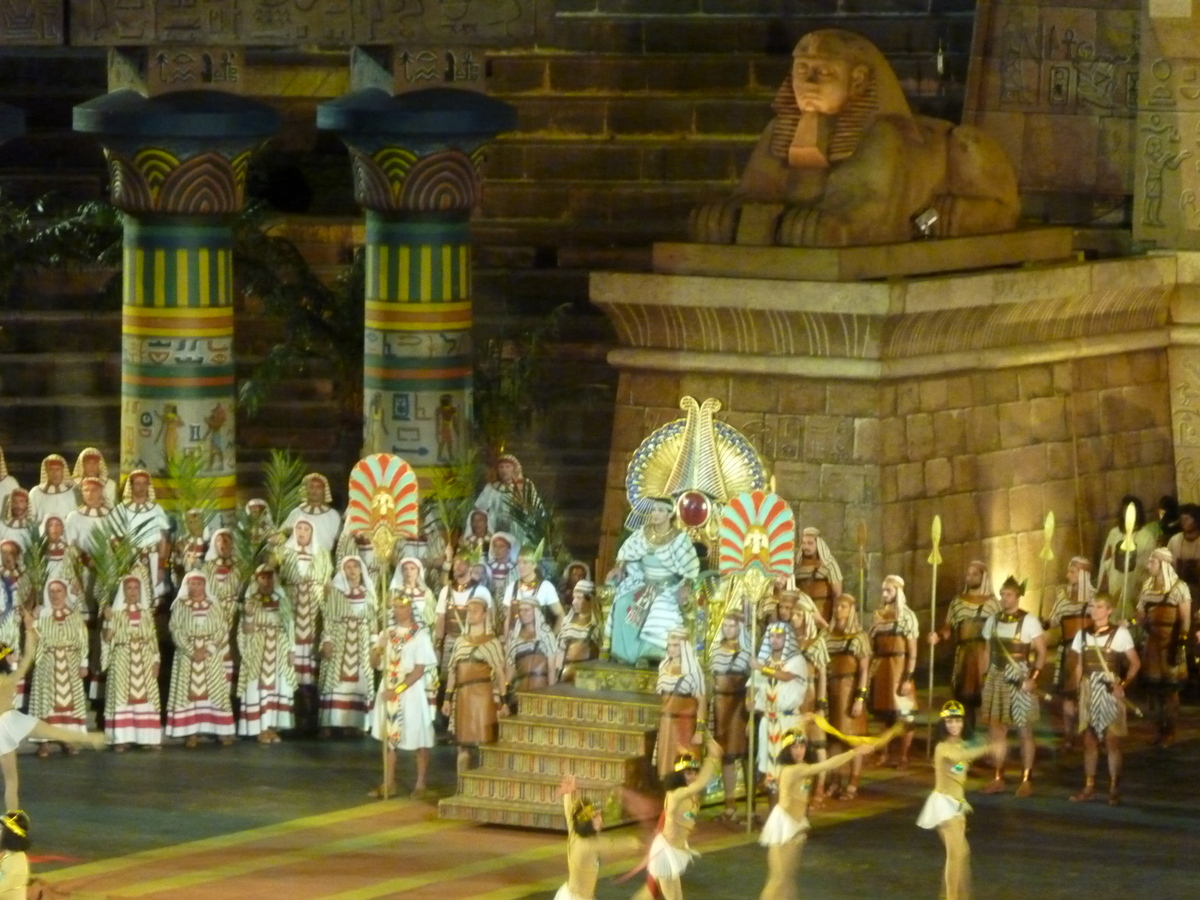
“Aida” is a huge and fascinating work. Staged in the ancient Arena in Verona, the stage was elaborate and took full advantage of the venue.

I wanted to see Aida, which is four (4!) hours long, starting at 21:15 (very late for Americans), after sundown, when the day starts to be tolerable. Ric almost threw me over the stands when I told him I thought it was three hours long. (Of course I waited to tell him until we were seated with our rather expensive tickets long since paid for.) It turned to be four hours because there are 4 acts and 3 long intermissions, totaling at least an hour, to facilitate changing the elaborate sets. There were dozens of supernumeraries but only about 5 main singing roles. The “supers” filled the stage, climbed to the highest ledges with lighted torches, and generally added to the “really big show.”  It was so riveting, even in Italian with no translation (ah, Portland Opera, you spoiled us!) that Ric stayed awake for almost all of it. (OK, I rested my eyes during some of he particularly long arias too. Just a little. During the really long ones.)

The Arena in Verona used to be twice as tall. Amazing to be able to attend an opera in a 2000-year-old structure!

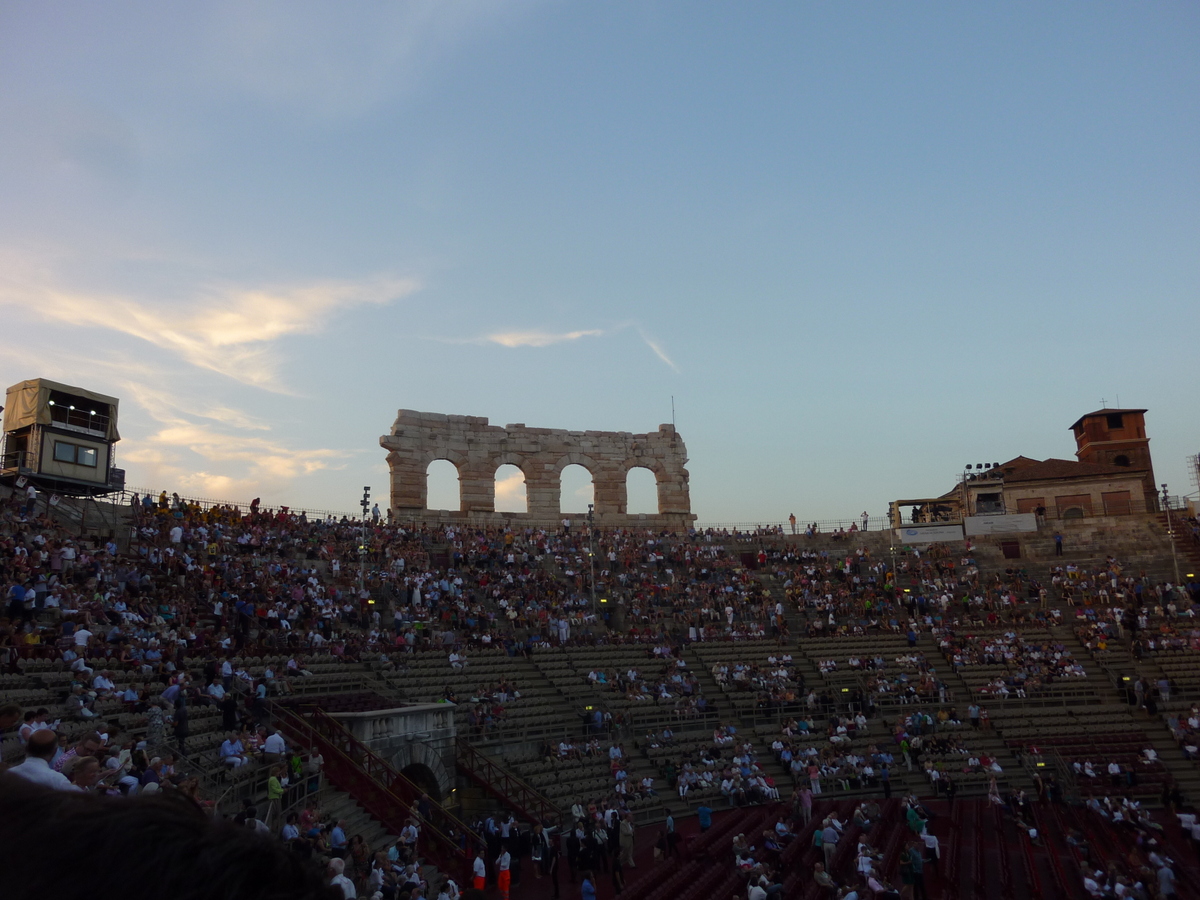
The Arena begins to fill with opera-goers as the sun fades away and night descends.

In honor of Verdi and the 100th performance of “Aida” many years ago, opera goers are provided candles to simulate a time when there was no light and the opera fans provided it with candles. (Long story; Google it.)

Verona is a very nice little city settled by the Romans in the crook of a river, the Adige. Anchored by beautiful Piazza Bra (nothing to do with women’s lingerie), Verona requires nothing more of one than to stroll, savoring the architecture, the ambience, the food.

Not quite like the Willamette River, the Adige runs fast through Verona, but there are a lot of bridges, green hillsides, and charming architecture. Many bicycles, too. More than we’ve seen since Amsterdam.

In Verona you are still clearly in Italy. But move a little further north, and it’s not so clear. More to come…

Girovaga

Formerly GoodDayRome

Skip to content ↓