Tag Archives: Italy

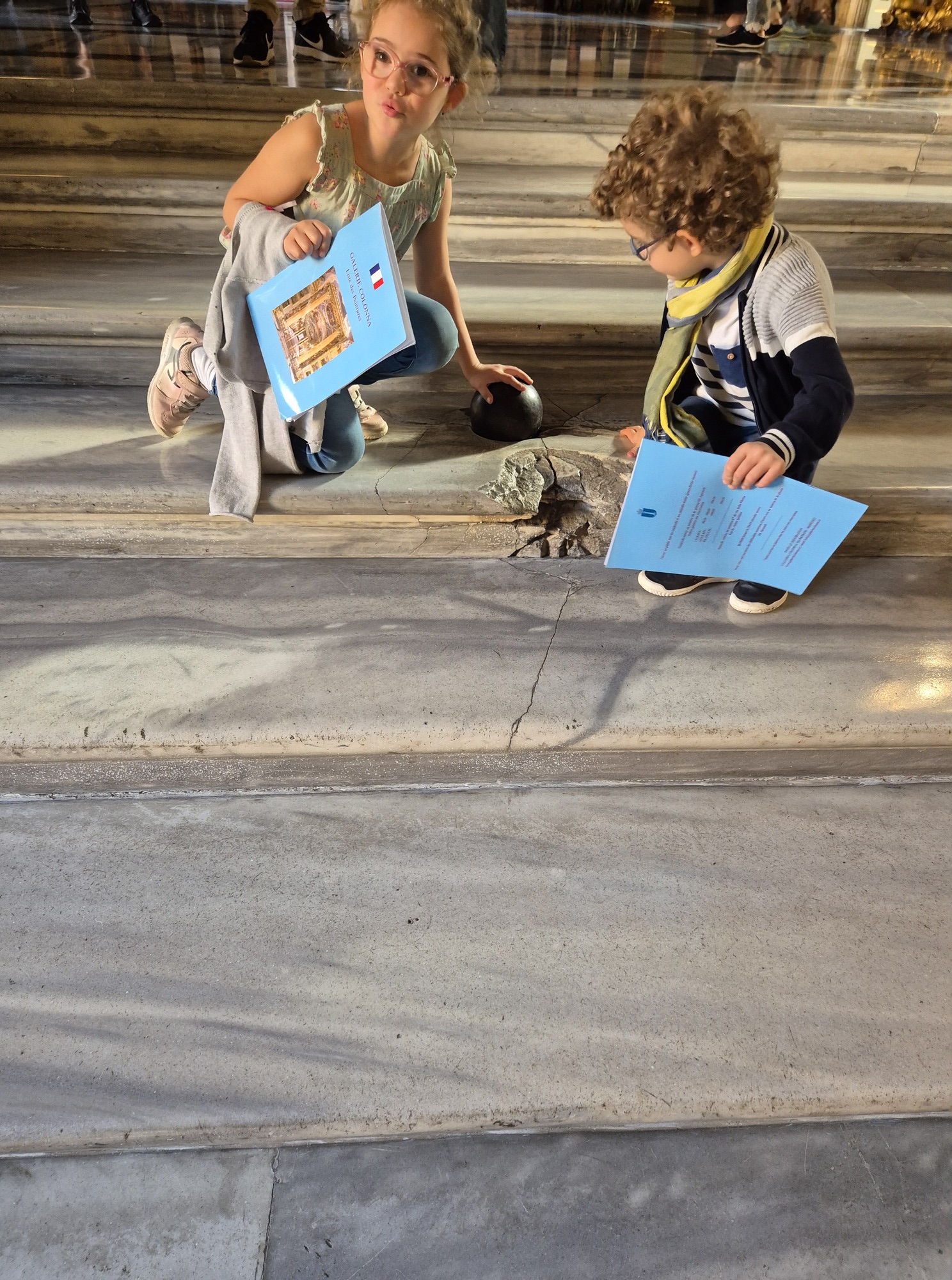
Holding hands in Roma

5 Nov

5 November 2024.

Every trip has a name or a theme. We have had the “Mountains, Lakes and Sea” trip of 2018 (See the trip plan Mountaintop to Sea Level ), “The Grand Tour” of 2017 (See Tourists Again), and the “We’re Back” trip of 2021 after missing 2020 due to a worldwide plague, to name a few. (See Hey Europe! We’re Back!.)

This year, in my mind, the theme was “Return to Roma” as it has been 8 years since we moved from Rome back to the US.

Scenery walking back after dinner is one of the delights of Roma. A 2-mile walk goes by quickly.

We loved our time this trip in the usual locations of Ortisei and Lauterbrunnen, and enjoyed the Italianness of Locarno even though it is in Switzerland. Wrapping up our eight weeks with a gastronomic tour of Rome, the subtitle might be “A Reacquaintance Tour: Eating our way through Rome.”

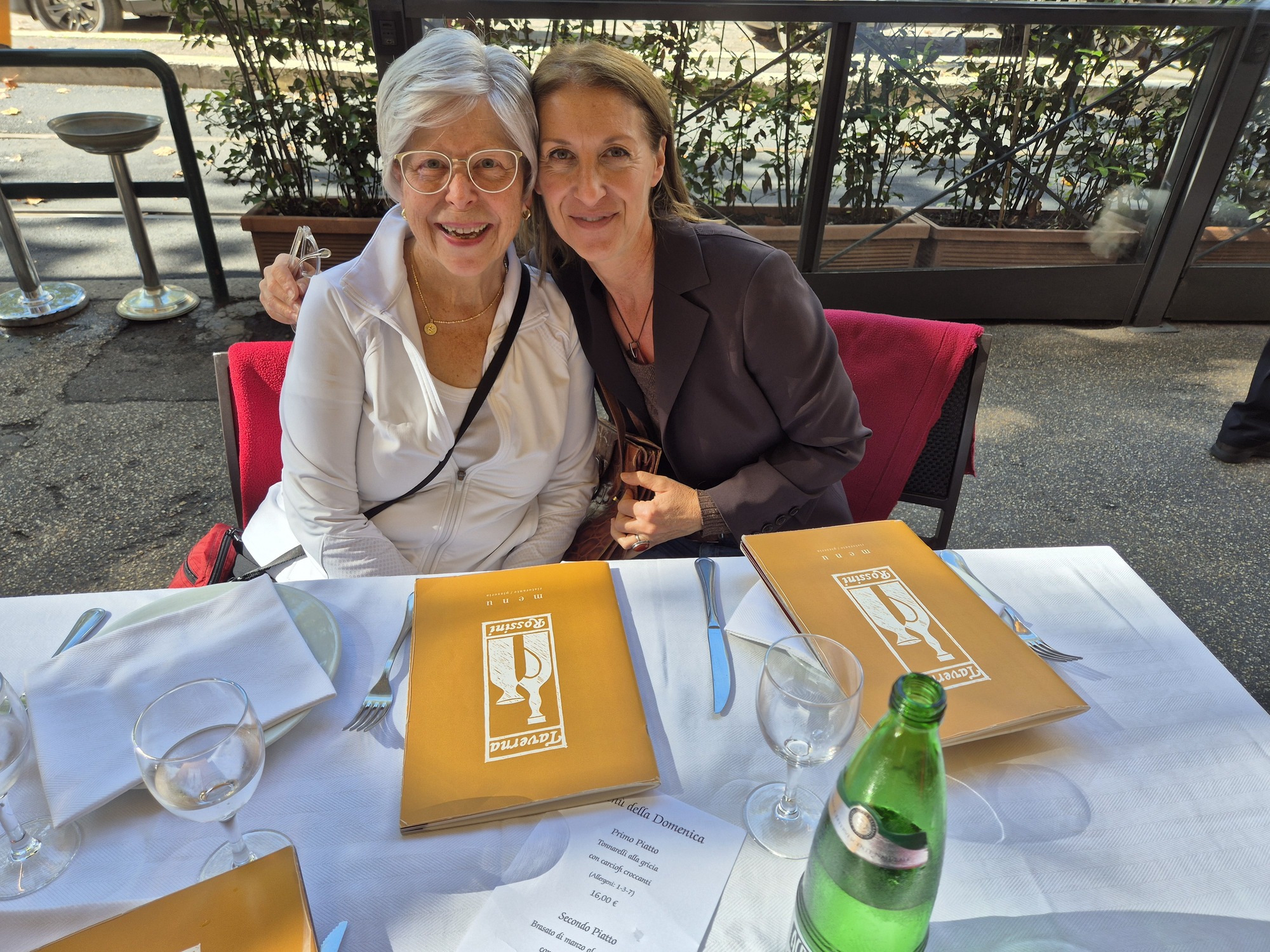
We often talked about missing Roman restaurants: Our neighborhood favorite, Taverna Rossini, the best pizza places we found and wrote about for our blog Our Weekly Pizza, the fish place we traveled an hour to-and-from it was so good, the authentic Sicilian food. These neighborhoods, walking routes, coffee bars, restaurants, and pizzerias called to us. It was time to return and eat our way through town while revisiting old haunts.
We had not been in town for 30 minutes when my love/hate feelings welled up. This crazy town continues to perplex and amaze. A fabulous double espresso in 30 seconds for €2.00! A taxi across town for €15! Ancient sites harboring a cat sanctuary and a wealth of art-free-for-the-viewing in vast basilicas and churches. People who weave back and forth on sidewalks and narrow streets. Tour groups coming at you like a tidal wave. The buses still ghost you and are uncomfortable at best, but the taxi drivers were, to a person, polite, efficient, and helpful. What’s up with that, Rome?

My hips and back took a beating on the sampietrini (aka cobblestones). Ric and I remembered we really liked to hold hands when walking in Rome and not only from affection but to keep each other stable and upright.
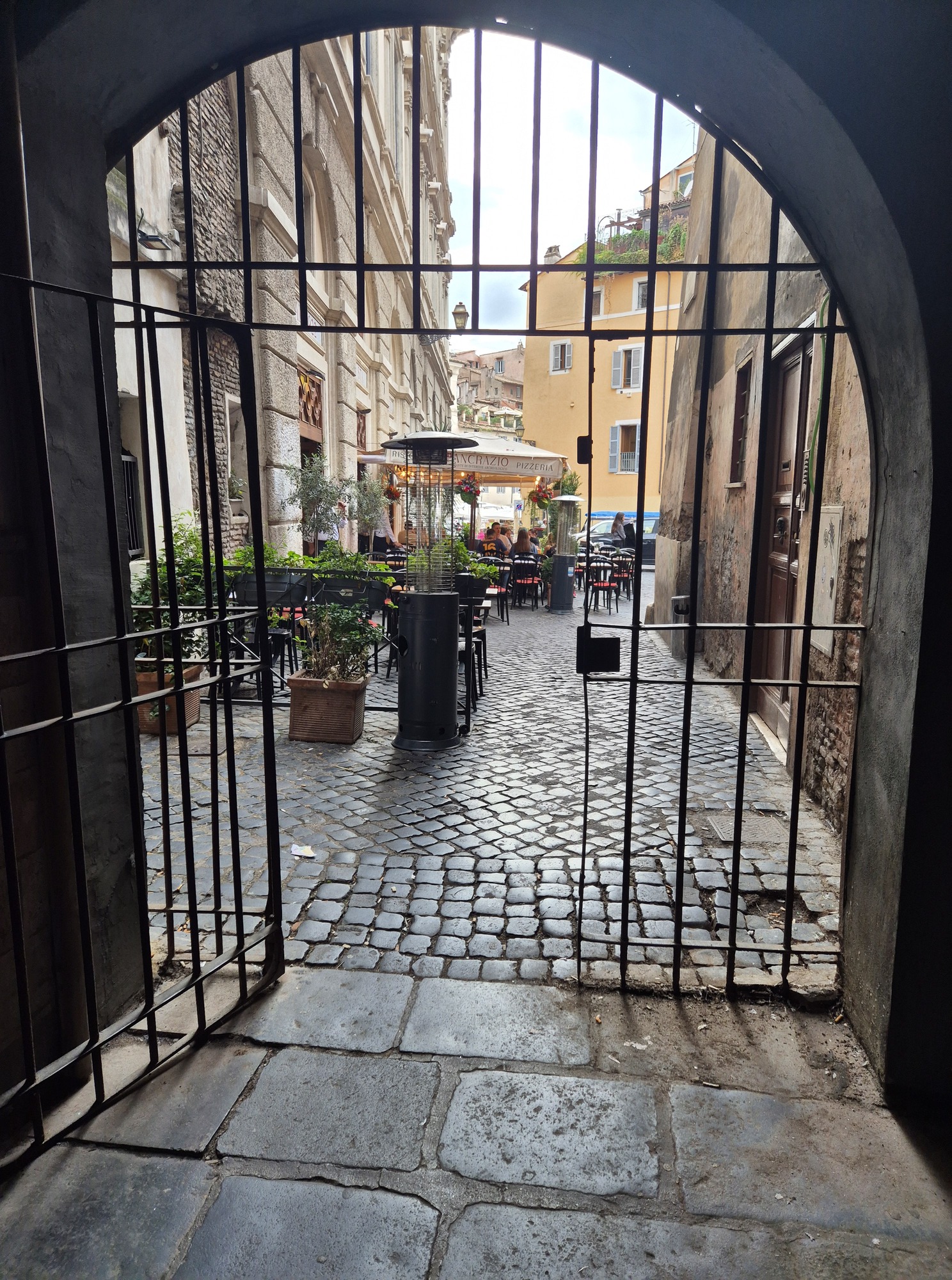
A scorciatoia (shortcut) through the maze in the historic center.

The old routes came back to us easily enough. The way through Villa Borghese we walked to-and-from work; the route we took from home to Piazza del Popolo to Campo de’ Fiori to go shopping every Saturday. Some of the vendors we used to buy from are still in the same stalls.

We dined at a couple of favorite pizzerias, La Pratolina and Da Remo. Still great: in fact they seem untouched by the intervening years. Even some of the servers are the same people we remember.

Our old standby, Antica Taverna, was not as good as we remember but it has suffered a change of ownership. It was nostalgic to sit there, on an obscure vicolo, and reminisce about our many dinners there including a Christmas Eve before I was blogging, Thanksgiving of 2012, and New Years of 2014. We ate there about once a month for over four years. Taverna Rossini, the neighborhood joint where we took all of our guests, was still so good we went there twice this trip!

Finding good Sicilian food outside of Sicily is a challenge, but Siciliainbocca did not disappoint. We happened by on a Tuesday, which was couscous night. Couscous ala Pesce is my favorite memory of Sicilian food, and it was memorable. No wonder Elon Musk dines here! (The cabbie told us about Elon’s visit, but we went there anyway.) Donna Fugata wine, an octopus appetizer, grilled calamari for Ric. We left happy and walked back the 2 miles to our hotel as penance for all we consumed.
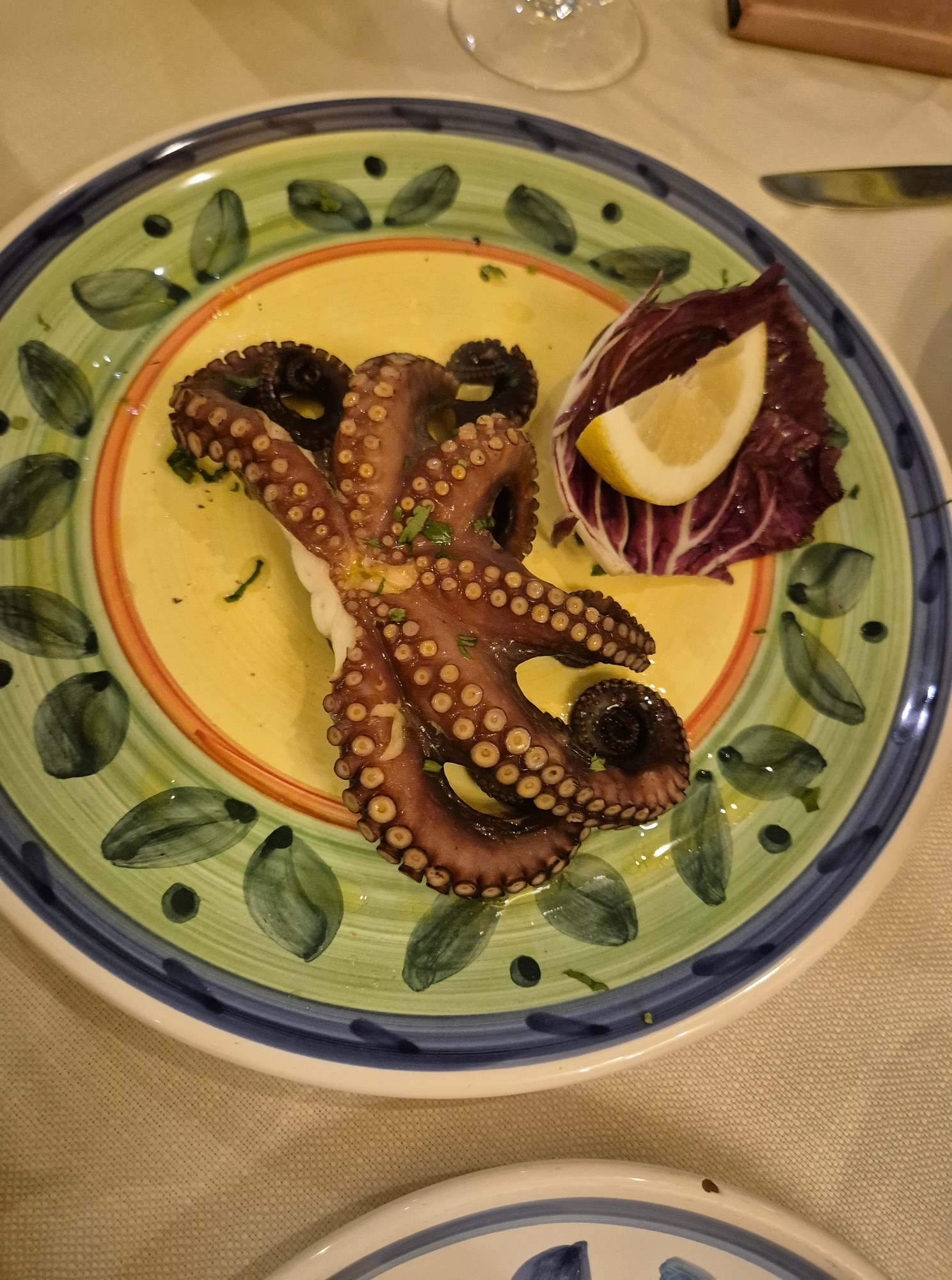
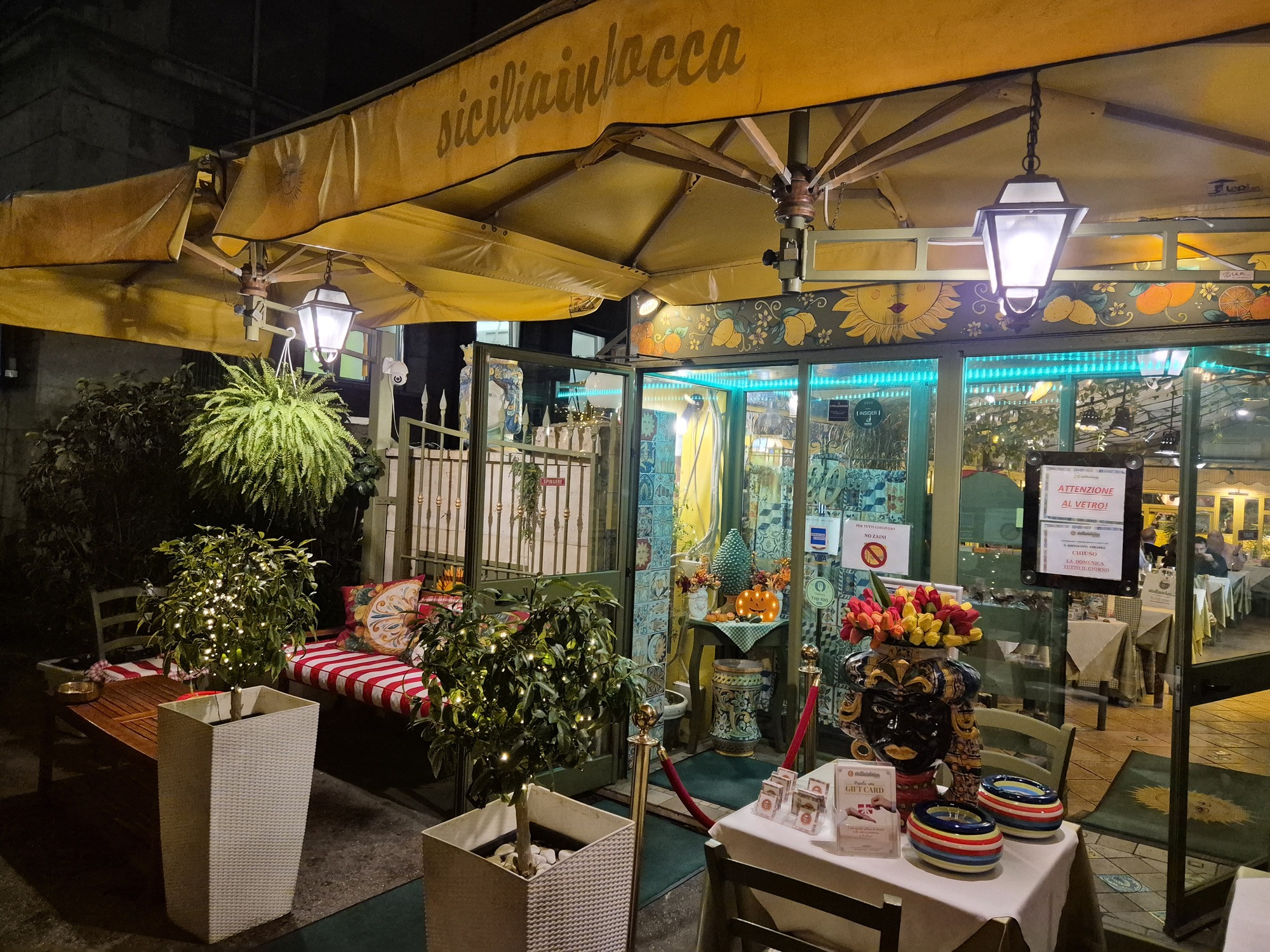
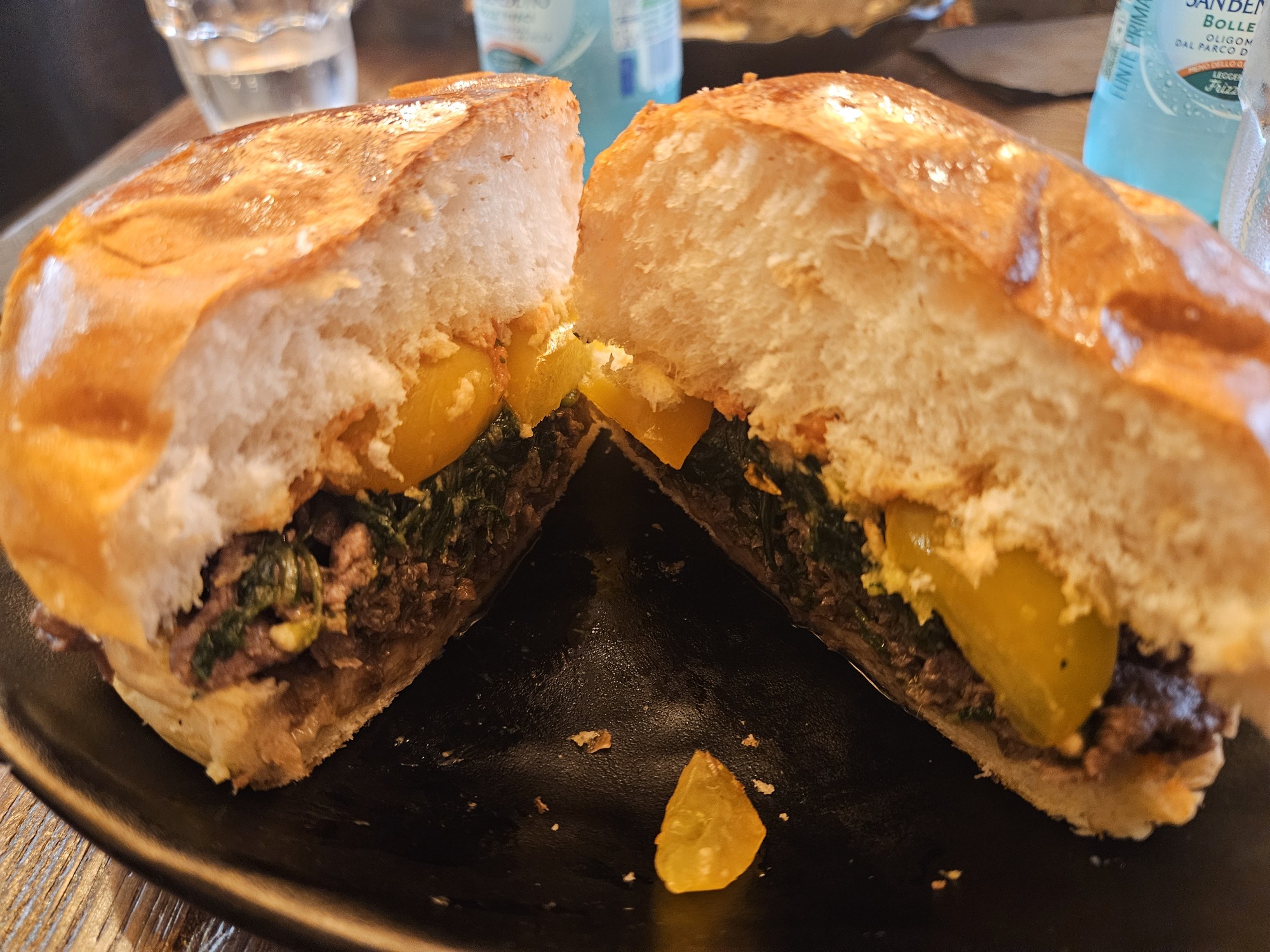
We found some fun, new places to eat as well. Lunch has always been hard for us in Italy because they like to offer big lunches of pasta and traditional main courses or pizza. We like salads and sandwiches. Two new eateries we recommend, Cabullo (3 locations) and Molly’s Garden, are a welcome change. Molly’s, in particular, appeals as they know what they are doing with eggs, and they make a delicious wrap. Osteria La Quercia was so good I forgot to take food photos. They only use fresh ingredients guaranteed by small breeders and farmers, organic companies, and seafood from the Lazio coast. (Click on any photo for a better view.)

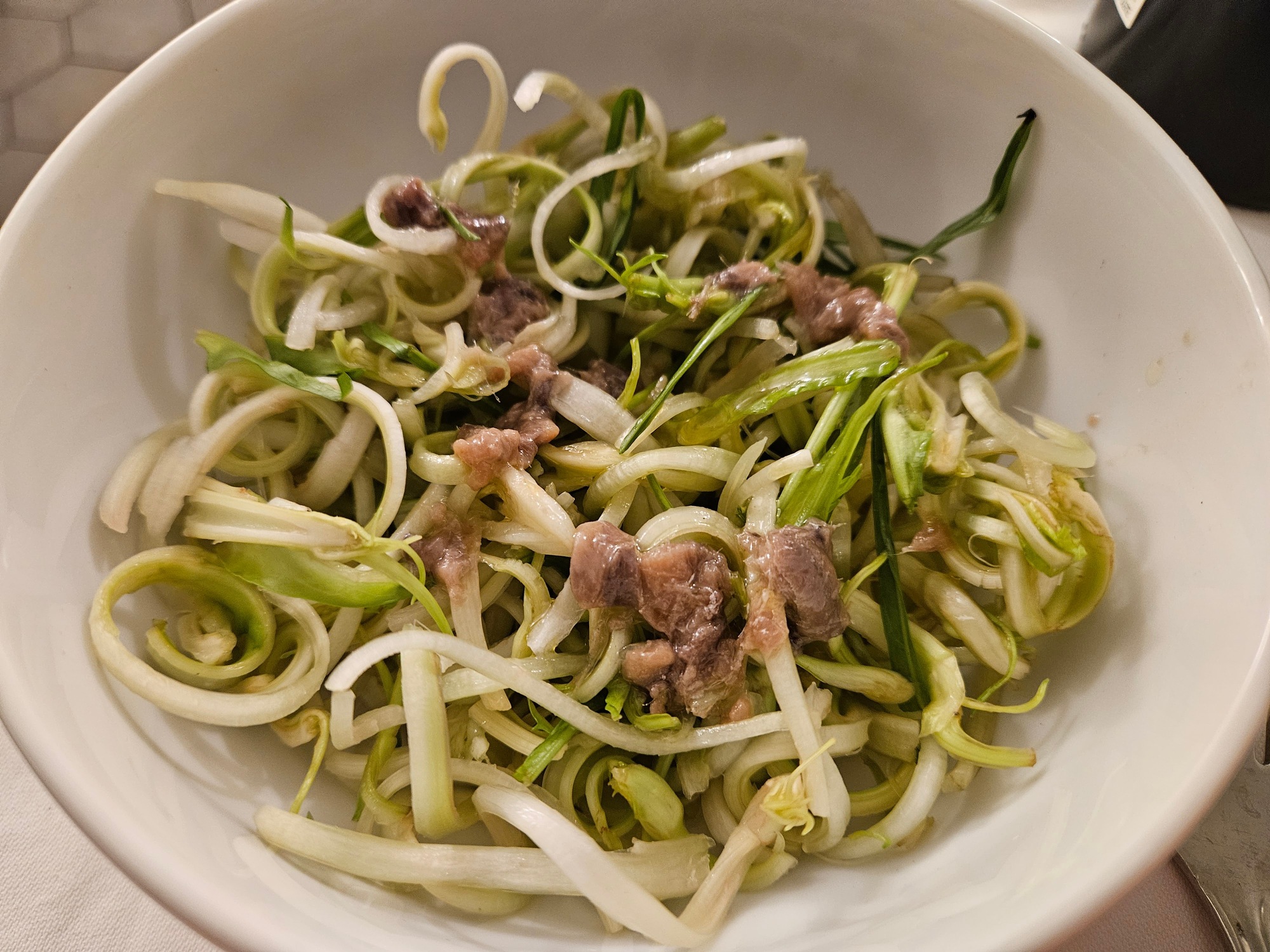
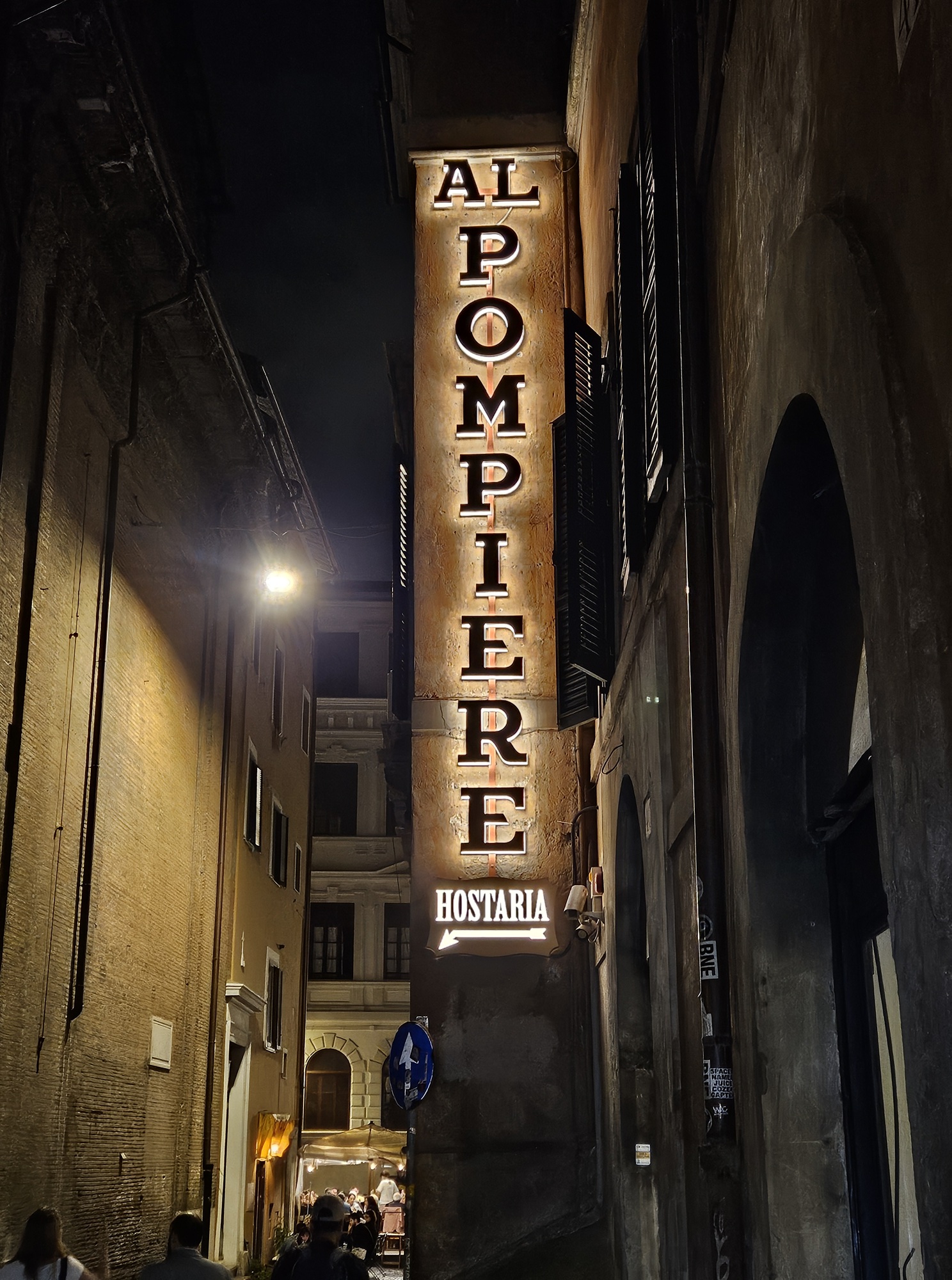
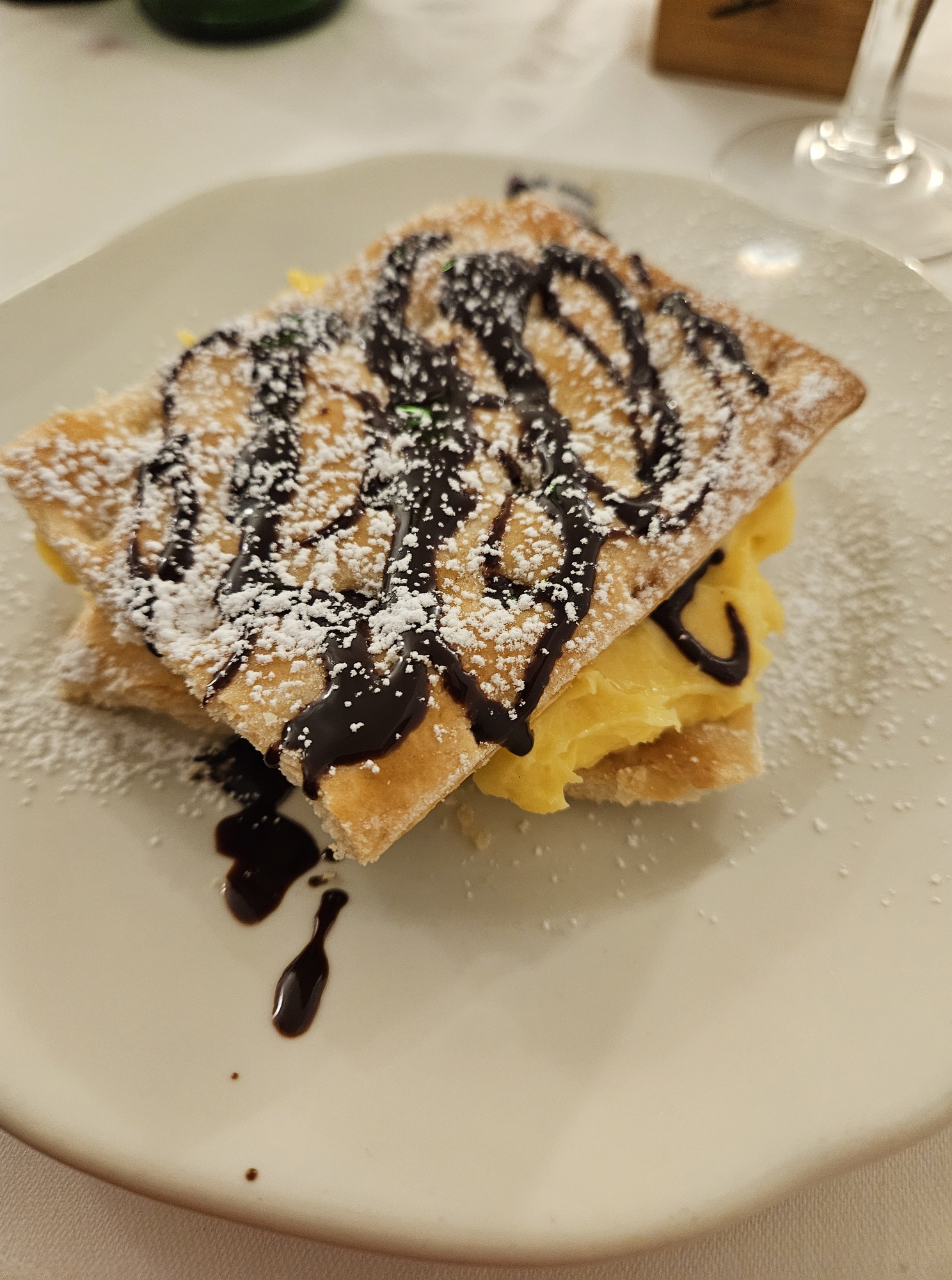
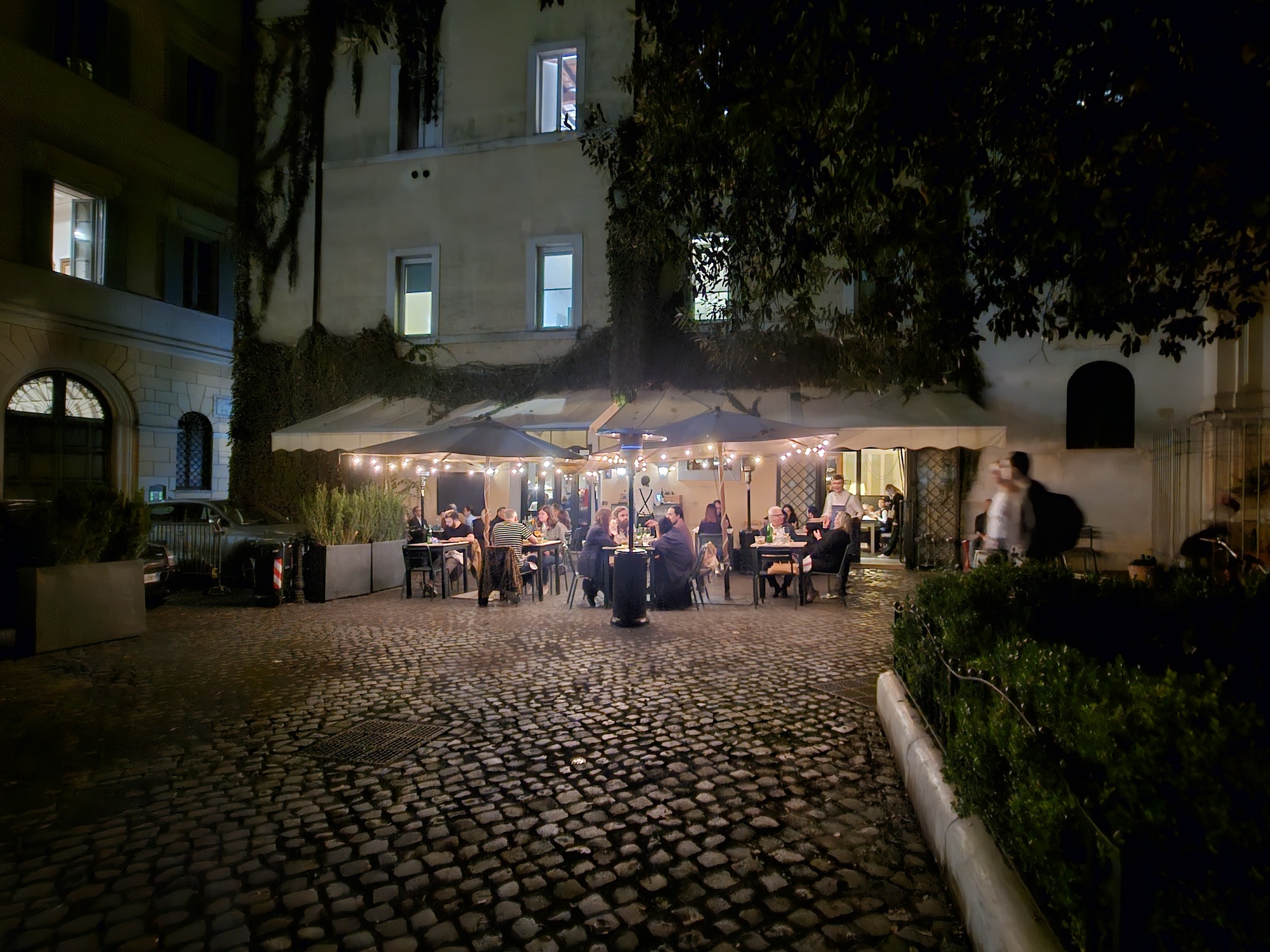
Our final dinner of the trip was at Al Pompiere, well known yet for all the years we lived in Rome we had not visited. It was our loss! Family owned and operated, the padrone waited on us in the tradition of old hosterie (osterias). Classic Roman food: puntarelle (a salad of chicory sprouts with anchovy vinaigrette), carciofi alla giudia (fried artichokes), fiori di zucca (fried zucchini flowers stuffed with cheese and anchovy, battered, and fried) and much much more.

Without fail, everywhere we dined at night we were glad we had reserved. Any place decent and not too touristy was full and tables do not turn like they do in the US.

We found our way to a leather shop we used to patronize in Trastevere. There are leather shops all over the historical center, and some of their products might actually be made in Italy, but Ciufetti is the real deal. We arrived at opening and told the owner we used to come here many years ago. He told me it has been in business since 1955, the year he was born. He and his wife now run it and are open 7 days a week! He loves it! They make all of their leather products in house and sometimes, when tourists discover them, they literally get their stock cleaned out because people recognize the value and the quality at a fraction of the prices in the tourist shops.

The city is getting ready for a Papal Jubilee year in 2025 and as a result there is construction and restoration everywhere. All the tram lines are down. The Metro Line C is still not complete and screened fencing blocks vast sections of the historic center limiting views. There is scaffolding everywhere and it seemed like every fountain was dry and being repaired. If this was my first visit to Rome I might be annoyed at how much is blocked but we saw it as a reminder that Rome has been changing for millennia and will continue to do so.

Screening hides much of the area around the Forum as they try to get Metro Line C completed.

I planned to get transit passes for the week we are here, but they proved remarkably hard to find. Luckily, we did not invest because the buses have been impossible and after two buses did not materialize (ghosted) twice in our first afternoon, we had to find a taxi to take us back. At that point we decided to go a piedi (on foot) or take taxis. Period.

Speaking of feet, in Rome we far exceeded the mileage we had in Richmond early in the trip (see 61000 Steps). In 8 days in Rome, we walked over 56 miles and I had almost 162,000 steps on my pedometer, an average of >20,000 per day. it helps when you can’t get a bus. (Trip total on the pedometer was a respectable 950,000.)

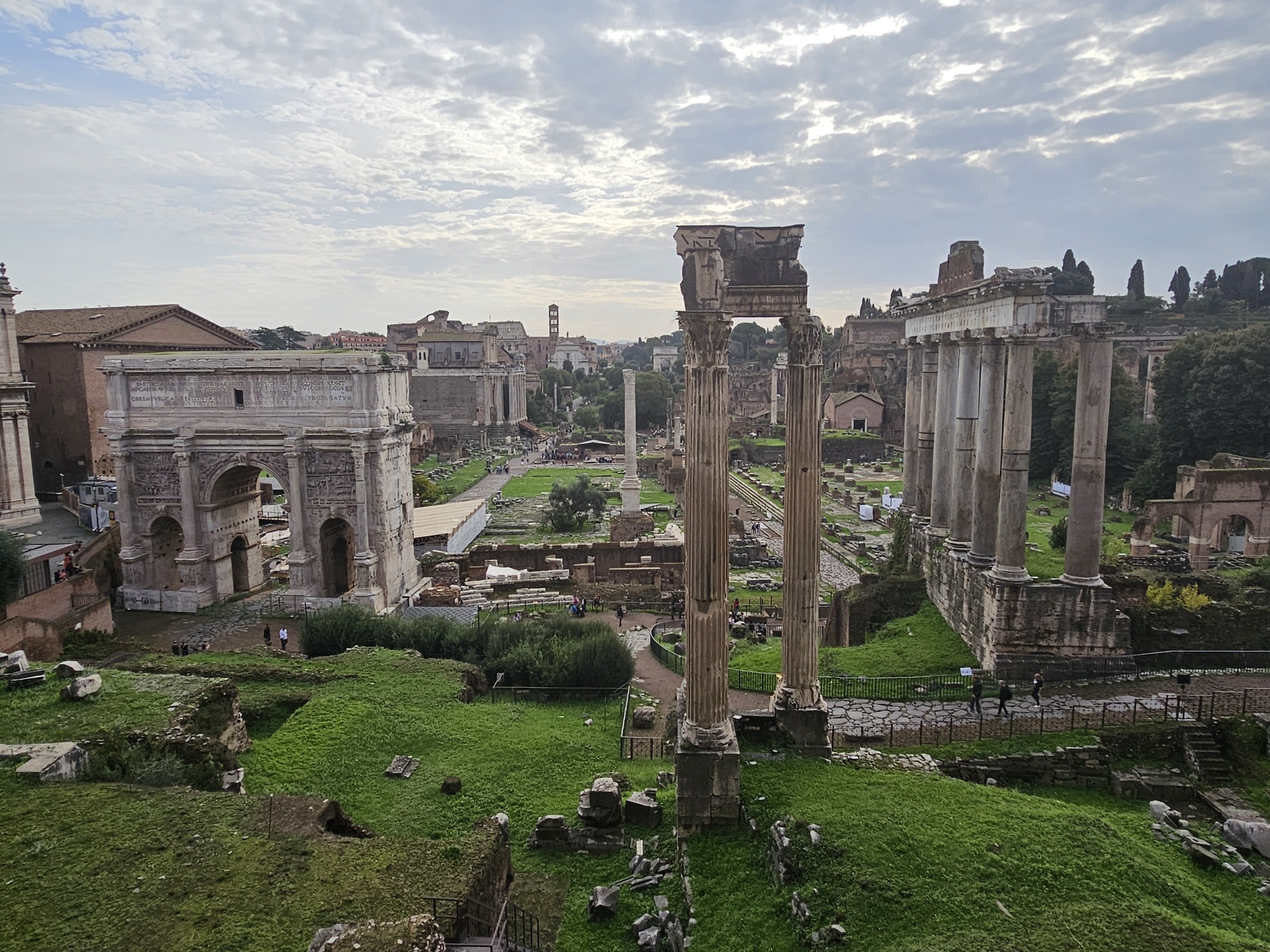
I should author a book called “Rome the Umpteenth Time” highlighting the places we visited that were new-to-us. Rome may seem static, but she is always undergoing change.

  • We had, remarkably, never been to the Capitoline Museums. Underappreciated, vast, uncrowded, with amazing statuary and Renaissance art plus a drop-dead perfect view over the Roman Forum. We passed a quiet hour with few other patrons around and no massive tour groups.
  • Palazzo Braschi, Museo di Roma, offers insight into how Rome has changed over the millennia, and startlingly over the past 100 years. We had visited once in 2012, but seeing these exhibits again made me realize my annoyance at the current state of pre-Jubilee clean up is a mere hiccup in this city’s progress. It would be nice if they were not renovating all the fountains at the same time.
  • Largo Argentina, long known as a cat sanctuary, opened the sacred area in the past few years enabling one to descend to the area where the Roman senators murdered Julius Caesar. (You cannot walk in that site but still impressive!) And the cats are there too. Bonus.
  • Forma Urbis, a new museum housing the surviving fragments of a stunning marble map of Rome carved early in the 3rd Century. An 18th Century grand map overlays the fragments showing the relationship to more modern locations. Hard to understand until you see it and the lights go on. A remarkable display.
  • Galleria Colonna was another repeat. We were there in 2013, as I wrote about in the blog Rain in Rome. This time, we had dry, lovely fall weather and were able to tour the fabulous gardens which are not open when it’s wet. The gardens alone were worth the price of admission. The Princess Isabella Apartments are an extra-cost add on that we popped for and were also worthwhile. Isabella was from a wealthy Lebanese family and married a Colonna prince. She used these fabulous apartment to entertain her guests. Interesting articles here (in Italian, so use Google Translate to enable your favorite language). Il Filo Rosso Tra Beirut e Roma della principessa Isabelle Helene Sursock and Isabelle Colonna l’ultima regina.

We had a lovely extended stay of 8 nights, with mild weather, great sites old and new, excellent meals at old favorites and two new-to-us restaurants that we were sorry we could not visit multiple times. The mileage on foot helped (we hope!) defray impact of the consumption of fine Roman cuisine.

Holding hands is nice even after 40 years of doing so.
Another Path to Lunch

16 Sep

16 September 2024.

Sundays are days for long walks and special lunches, at least while we are traveling. A few years ago, I wrote about a particular favorite, which we have now done three times (See https://girovaga.com/2021/10/03/a-path-to-lunch/) with plans to repeat as often as possible.

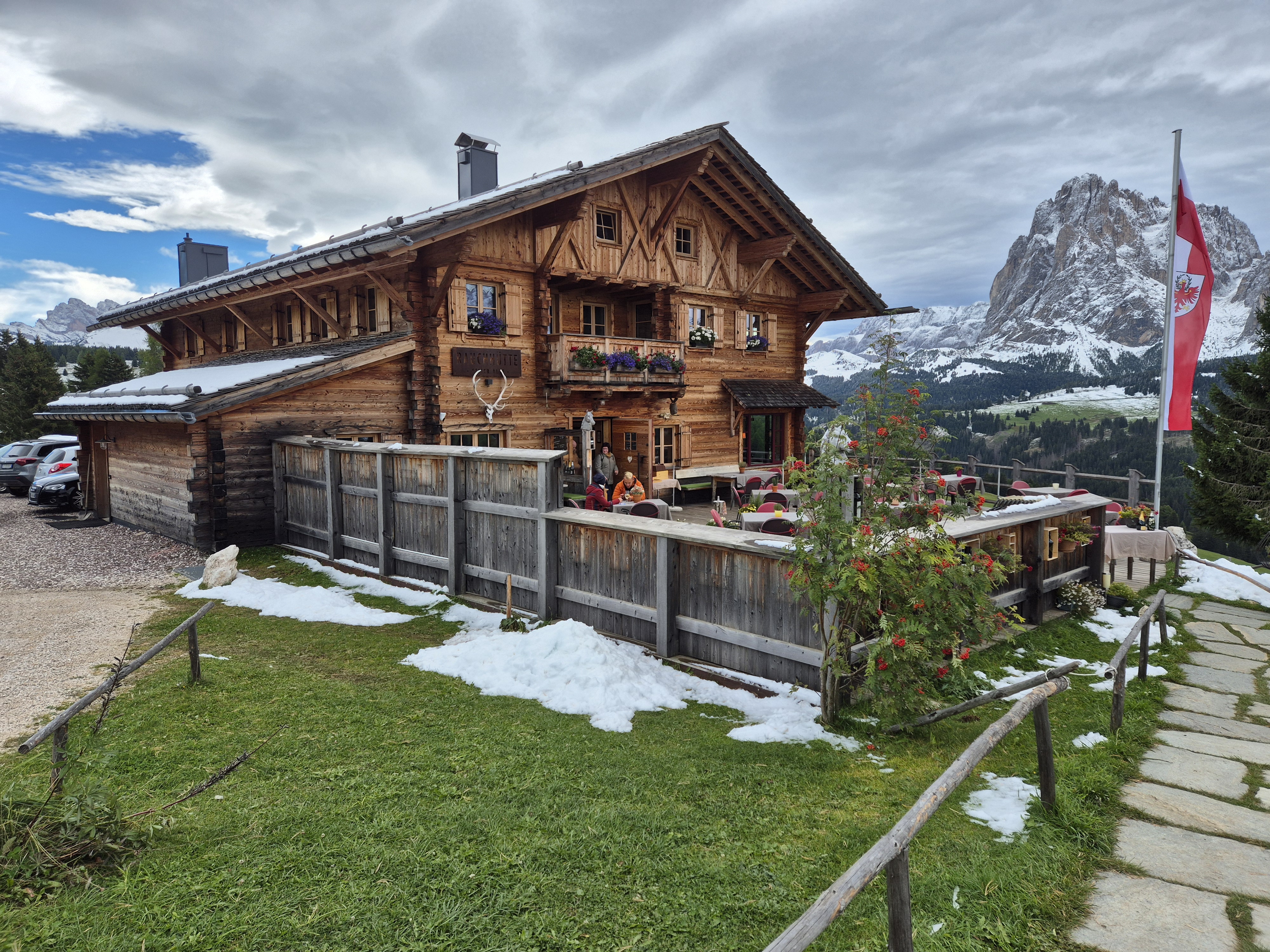
Yesterday we discovered another walk that led us to perhaps the finest mountain “hut” around, Rauchhütte on the Alpe di Siusi. I have read various raves about it: “Best hut! You have to go! Nowhere like it!” My cynical self said that all mountain huts are the same atmosphere, beverages, and mountain cuisine, in this case Südtirol specialties, beer, limited wine, grappa, and good coffee.  Rauchhütte is un altro mondo: a world apart.

Perhaps I should explain the concept of today’s mountain “huts.” In Italian we call one a rifugio or baita or malga, in German it is hütte. You would probably call one heavenly. We are talking real plates, glassware, and cutlery; Espresso machines and full kitchens; Clean bathrooms. They serve simple mountain food: hearty pastas, local specialities like canederli (a kind of dumpling), cheese and meat platters, polenta, game dishes featuring boar or venison, spareribs, lots of potatoes, beer, limited wines, some hard liquor. Always strudel, homemade cakes, coffee, and so on. Hearty fare. Occasionally a salad slips into the menu.

Approaching the baita Rauchhütte.

Imagine this terrace on a sunny, temperate day!

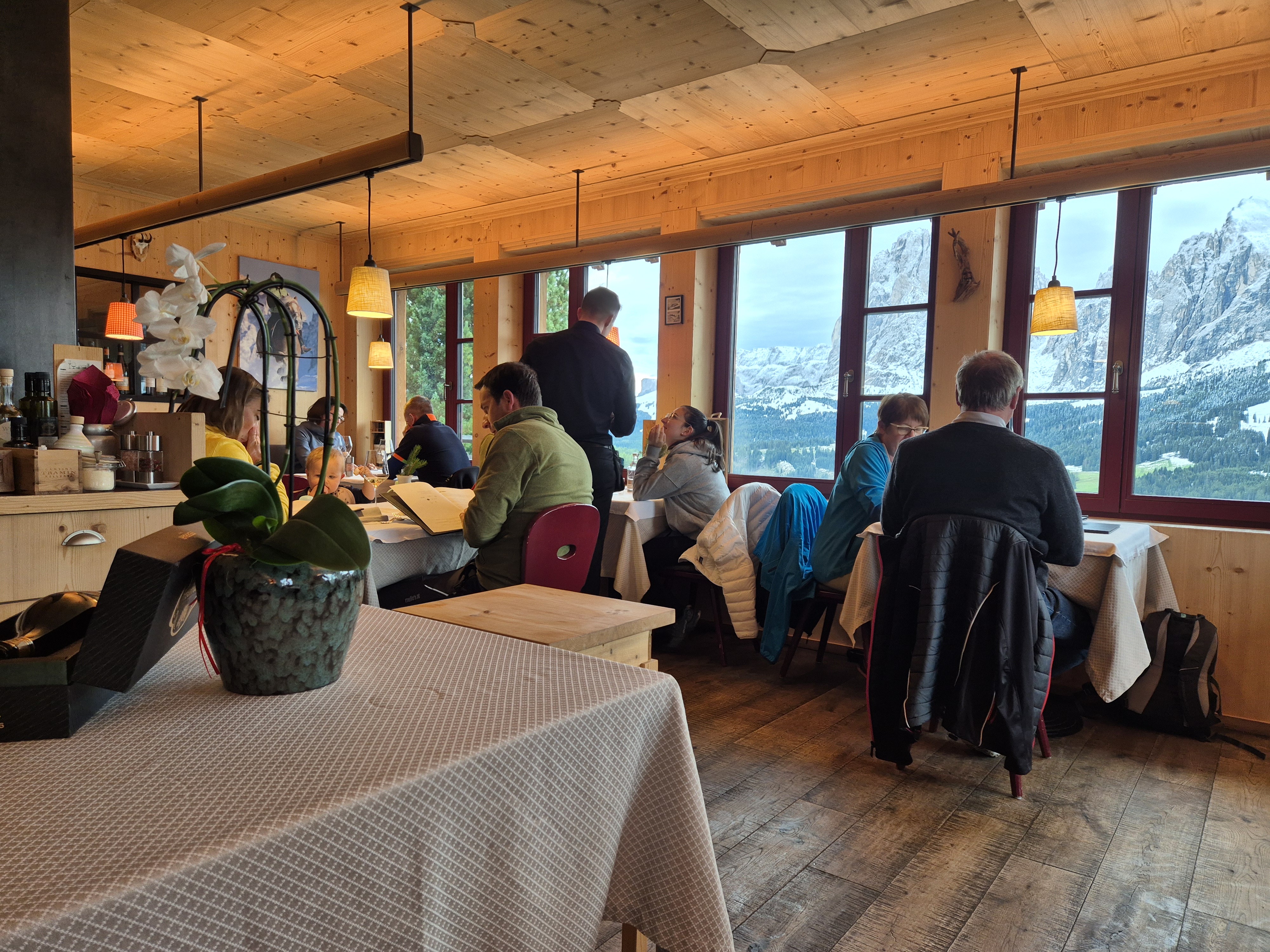
Rauchhütte defies the traditional baita. It is a gourmet experience, a wine-driven restaurant perched in one of the most beautiful mountain settings you will find. A fabulous deck, a warm and cozy dining room, stellar service, an impressive wine list, and elevated cuisine.

It was almost full when we arrived at noon. We were lucky to get the last unreserved table. Sunday lunch is a big deal and people target Rauchhütte for this special time.

Interior with views to the Sassolungo and Sasspiatto.

You cannot drive to Rauchhütte. You can cycle, hike, walk, or take a bus. We walked an hour to get there from AlpenHotel Panorama as well as an hour after lunch to — get this — ride a chair lift back to our home base! Who needs a bus?

Adding to the pleasure of the day, we are having a wintery September on the Alpe di Siusi. About 6 inches of snow fell Thursday into Friday, and Saturday was cursed with a bitterly cold wind. Sunday, the winds were still, and silence descended as it does with snow on the ground. Even most of the (few) people out were not talking much. Just enjoying the unusual scene. So did we. SIGH.

Lunch was divine. Fine wines by bottle or glass, a limited but excellent menu with many specials for the day featuring seasonal favorites like porcini or deer. Yes, the local specialities were present as well, but in an elevated manner, with the service you would expect in a fine-dining restaurant; except all the patrons were dressed for outdoor sports and had backpacks at their feet.

Ric’s lunch of canederli and goulash.

My choice: Housemade pappardelle with oxtail ragu.

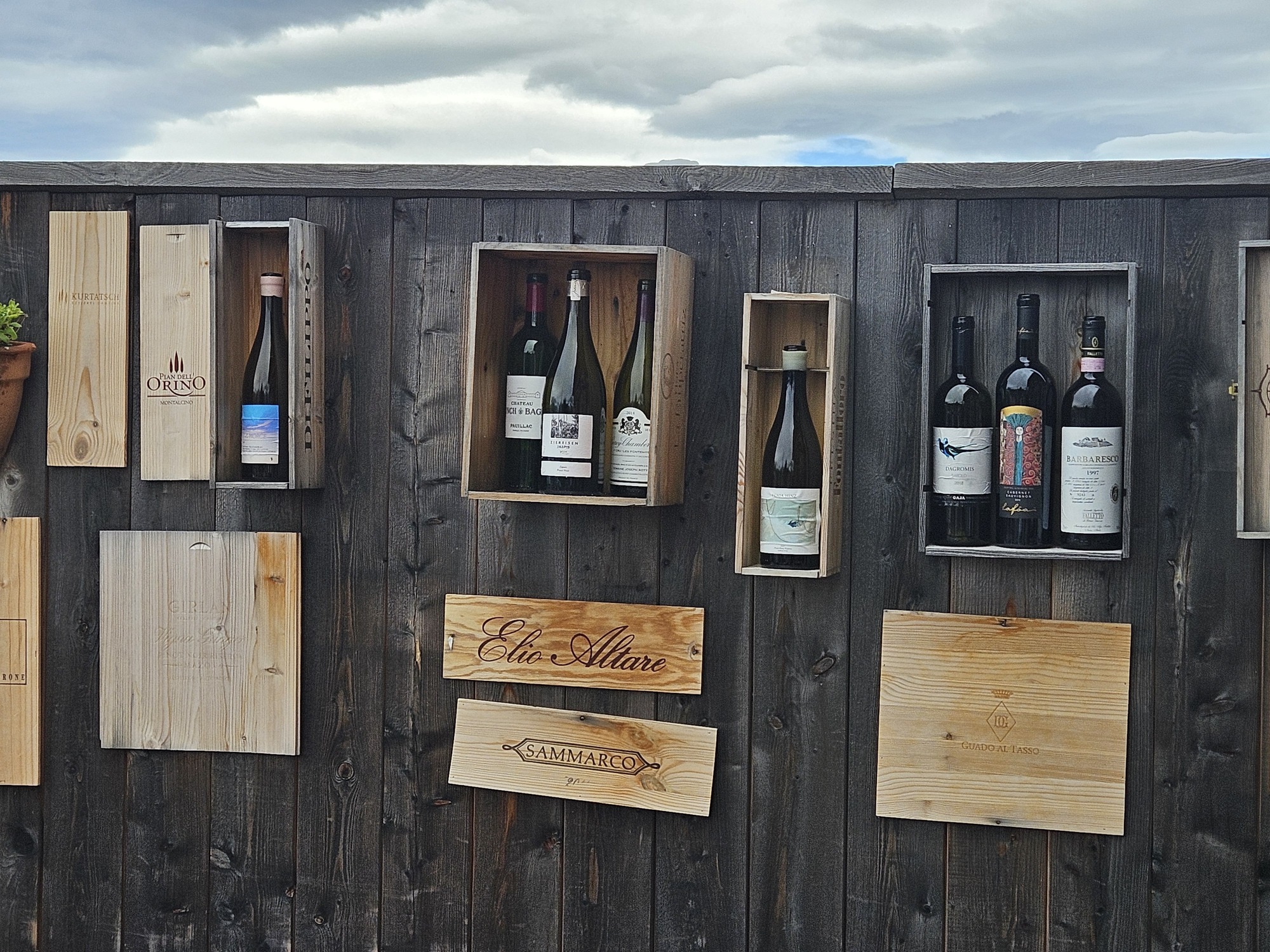
Terrace wall decorated with (empty) wine bottles. They claim to have 300 labels in the wine cellar, mostly local.

A total of five miles and two hours of walking might have put a dent in the house made pappardelle with oxtail rags that I snarfed down. We will be back next year. I might even include one this in the next edition of Walking in Italy’s Val Gardena.

For those who are curious about the route and know the area or are visiting, we walked Trail #6 from Panorama downhill toward Ritsch, turning right on Trail #30 until it joins the main road at the Wiedner Egg bus stop. From there, follow the road to the “hut.” The easy-hiker way back is to walk the road back to the bus stop, then follow Trail #30, the Hans and Paula Steger Trail (also in our book) all the way to Compatsch, returning up to AlpenHotel Panorama via the chairlift.

Or take the bus if you had too much wine. That might happen next year because the wine list is simply awesome.

One of the views on our path to lunch, the magnificent Sassolungo and Sassopiatto.

Road Food

29 Oct

29 October 2019.

We get tired of restaurants. Yes, food lovers that we are, when we are on a long trip food-fatigue sets in. Figuring out where to eat every meal becomes a chore. In parts of Europe, a very casual evening meal (other than pizza) is hard to find. Sandwiches and salads in the evening in Paris? Forget about it! There are nights where we just want to stay in after a day of hiking or touring. When I have >16000 steps on my pedometer, going out to dinner is less appealing than pajamas, a movie, wine, and a homey meal.

Occasionally, we just want some hummus and veggies or wine and cheese. Or wine without the cheese. Even a piece of toast with peanut butter sounds good now and then.  Other times, we want to have something satisfying yet not too time-consuming.

Finding ingredients can be a challenge. In Italy, we have never found hummus pre-made. Only in the U.K. (or rentals in Switzerland owned by Brits) do we consistently find a toaster. Peanut butter is sporadically available and we like the Italian one but then there are seldom toasters in Italian apartments. Luckily, everyone has cheese.

Parisian markets are always so orderly and colorful.

Over time and extensive travel in Europe, we have collected some recipes and adapted our cooking style to the equipment we find in rented digs, products available in the markets, and limited ingredients to keep it simple.

Sometimes there are great pans and sometimes there’s one battered old frying pan and small saucepan. Seldom are the knives sharp: We now carry our own set. Ovens are rare, microwaves are ever-present. One lovely apartment we rent each year in Switzerland has a slow cooker. Sometimes there are mixing bowls, always a colander (at least in Italy). We move in and assess the tools before deciding on a plan or going shopping.

Then there are condiments. Some apartments have those that are left behind by prior guests. Sometimes these are of indeterminate age and one sniff tells me that the oregano is beyond its use-by date. Never trust coffee that has been left behind! Ric considers it his community service to seek out and dispose of expired food items in apartments we rent.

Here are a few limited-ingredient recipes we turn to depending on the tools in the apartment and the products we can find. These do not call for a lot of ingredients you might have to abandon when you move on. If I can, I will squeeze that newly purchased oregano into my bag to take to the next place.

Salads

    • Everywhere we go we can find mixed greens, gorgonzola, a crisp apple (Pink Lady and Granny Smith are my faves), some nuts, dried cranberries, olive oil, and balsamic vinegar. We sometimes buy a trail mix for the nuts and dried fruit. Many places sell pre-cooked salad chicken which is a nice addition. Boom! Great lunch. Sure, you have to buy oil and balsamico, but far less than paying for a couple of salads in a restaurant. Extra points for Ponte Glassa. Yum!
    • The same pre-cooked chicken mixed with mayonnaise, salt and pepper, dried cranberries or raisins, maybe some pine nuts or slivered almonds. Serve on a bed of fresh arugula. Very satisfying.

Pasta

It is so easy to make a limited ingredient pasta almost anywhere as long as you have a couple of pots and a colander.

    • We love this one from The New York Times Cooking website. Pasta with Burst Cherry Tomatoes and Mint. I alter it a bit, substituting caramelized shallots for the raw scallions. (I cook them along with the pancetta.) I omit the butter.  For two people, one box of pasta makes two good meals.
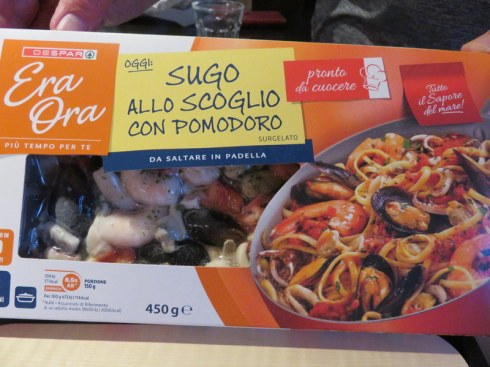
    • In Italy, you can find frozen seafood for pasta or risotto.

      Frozen seafood pasta sauce. Just add spaghetti!

      It is amazingly good and very economical. All you need is a €5.00 package and a half-box of pasta to feed two very well with no leftovers. I have seen a similar product in the U.K. but not in the U.S. 
    • My favorite, when Romanesco is available, Orecchiette con broccoli e salsicce. Takes no time at all. I have included the recipe below.

Soups

    • You can find the basic ingredients for chili almost anywhere. I have substituted Italian fagioli for kidney beans and if I cannot find chili powder, a liberal dose of paprika plus cumin, oregano, and pepper does the trick. A small batch will do it. No sense eating it every night for a week.
    • In most European markets you can pick up a bag of pre-cut veggies, called minestra in Italy. What you add to them is up to you, but it is a fine start to a batch of soup without having to buy all the veggies and chop them. I plop in some chicken breasts that I cube, herbs and seasonings, add broth, zucchini, mushrooms, and during the final half-hour, farro (aka, spelt).

Of course, sautéed fish or chicken is easy, but I find it boring. A tuna sandwich hits home when you are sick of what is in the cafes at lunch. Seriously. When we are traveling for six-to-eight weeks, simple things mean a lot. We have, in desperation and exhaustion after a long day of sightseeing in London, even picked up a bake-at-home pizza at Sainsbury’s. It was pretty good!

When all else fails, one can heat up some Crack Sticks…if you have an oven.

Apartment breakfast is one of three things: scrambled eggs with smoked salmon and bread (toast if we are lucky), yogurt with berries (followed by a late morning pastry in all likelihood), or toast with peanut butter. Ric also loves hard-boiled eggs, especially in Switzerland. 

Restaurants

We do eat in restaurants. Wonderful restaurants! We love to try the cuisine of the area we are in or maybe find out what Indian food is like in Switzerland because eating rösti gets old. On a long-haul trip, we eat out two-or-three nights a week and at least half of our lunches. As regular readers know, we try pizza everywhere. On our 2018 trip, we had pizza nine times in seven weeks. Not that there is anything wrong with that. And my jeans still fit. Walking 16000 steps per day helps.

This is rösti, an evilly good Swiss staple. There is a pile of potatoes under that mountain of veggies and cheese. Not a diet-friendly choice.

Orecchiette con broccoli e salsicce

For 4 people

Orecchiette are the “little ear” pasta found most everywhere A particular shape that works well with this treatment. My measurements are an unfortunate mix of metric and U.S. standards. I do not measure when making pasta, so use your own judgement.

INGREDIENTS
4 Italian pork sausages, remove casings and tear into bite size pieces (about 1/2 pound)

400-500g dried orecchiette

3 cloves garlic, finely chopped

One large Romanesco (Italian broccoli), cut into florets

½ cup extra virgin olive oil

Chili pepper flakes (I use ½ teaspoon full and Ric adds more at table)

½-1 teaspoon fennel seeds

2/3 cup (or more) white wine

Anchovies to taste (I used 5 or 6 chopped finely)

Grated Pecorino, may substitute parmesan if needed but use fresh, not Kraft

INSTRUCTIONS
Add olive oil to a large frypan and over medium sauté the cut sausages until they brown and are cooked through.

Remove from the pan and set aside. The sausage meat will remain in compact shapes unless you break it up with a spoon as it cooks – the choice is yours.

Add broccoli, garlic, and chili to the same pan and sauté the for about 5 minutes. If you prefer your broccoli more cooked, add a splash of water or wine, cover and cook till the broccoli is cooked to your liking.

Start the pasta and cook until al dente, usually a couple of minutes less than the package says.

Increase heat, add the sausage meat, wine and anchovies and reduce the liquid – this should take about 5 minutes.

Drain the pasta (save a little of the cooking water) and combine with the meat/broccoli mixture. If it seems dry, add a bit of the saved cooking water. Mix well and serve with grated pecorino.

Missing the U.S.A.

19 Jun
19 June 2016. There must be something in the air causing ex-pat Americans in Italy to miss America.  I am pretty certain it isn’t Trump, Clinton or Sanders conjuring up the emotional response to missing the homeland, but a rash of articles, blogs, and posts to Facebook broke out in the past couple of weeks.
We’ve now been in Rome four years (as of May 18, 2016) and retired for one (as of May 19). We have found the experience as true ex-pats, outside the protective bubble of the embassy, to put us more in touch with what it is really like to live here. And yet we do not have to face many of the challenges working Italians that are raising families face. We have no pesky jobs.
Still, I have to say from time-to-time I get a little maudlin about not being in the United States. Rome is so beautiful and a delight to walk through when people aren’t knocking you off the sidewalk, but there are a few things from the U.S. that I miss so very much.
Clothes dryers

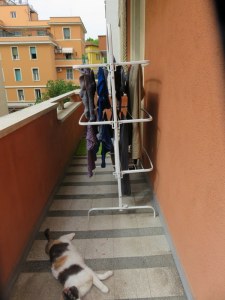
Drying rack on our terrace. It faces south, so when the weather is good the drying is fast. That's Libby in the foreground.

Drying rack on our terrace. It faces south, so when the weather is good the drying is fast. That’s Libby in the foreground.

You can try to romanticize the fresh-air drying, clothes warmed by the sun, blah, blah, blah. The truth is, all we have is a terrace with a rack from IKEA. The clothes come out stiff. I have never ironed so much in my life. There is nothing fresh about the motorino-scented air of Roma and if I leave them out too long, they gather pollen and dust. 
In winter, we have to hang clothes on a smaller rack in our second bedroom because they won’t dry in the cold and not enough sun hits the terrace. Drying bed sheets can take 24 hours. Give me a good old tumble dryer! We had one in our embassy apartment but running one is cost-prohibitive for the average person. Plus, there’s not room for one in our apartment.  
Ethnic food
Yes, we love Italian food. We can (and do) eat it day and night, but we miss the diversity of Peruvian, Mexican, Lebanese, Thai, Japanese, Vietnamese, and Indian available in most great cities. Certainly some are available in Roma. We’ve tried Thai in Roma and just was not comparable to anything we get in the U.S., although there is an excellent Lebanese place. On our recent trip through Switzerland, we managed to find excellent Mexican, Vietnamese, and Indian food. Oh, yeah, we had Italian, too. 
It is also challenging to find certain ingredients. I have been seeking fresh cilantro for 4 years. No dice. 
Understanding what is going on around me most of the time
How wondrous it would be to not only understand the words but also most of the pop culture references. Italian journalistic style takes some getting used to. Reading the paper is a chore for me, and I can understand the TV news only if I sit and watch it, completely focused, so I don’t. 
Family and friends and easy visits
Seeing family means an awfully big trip for one of us. We have American friends in Roma, but it is a transient community. In fact, our closest friends of the last two years are leaving this summer. 
Pedestrian-friendly sidewalks
Walking down the sidewalk is a full-body-contact sport in Roma. In the U.S. sidewalks are wide and level.  In the U.S. foot traffic moves more smoothly because there are norms. People in most cities, whether Paris or Portland, stay right or move over well in advance of any possible impact. In Roma, five people walking together expect to walk abreast of one another regardless of oncoming traffic. They gather in large groups in the middle of the sidewalk blocking passage while carrying on a conversation. People barge out of shop doors without glancing left or right. Add the bancarelli (sidewalk vendors) and cars parked on the sidewalks, and you get the picture: There’s little space left for pedestrians. 


A classic example of Roman parking: across the sidewalk, on a pedestrian crossing, in a school zone. I'm sure s/he was only going to be a couple of minutes...

A classic example of Roman parking: across the sidewalk, on a pedestrian crossing, in a school zone. I’m sure s/he was only going to be a couple of minutes…

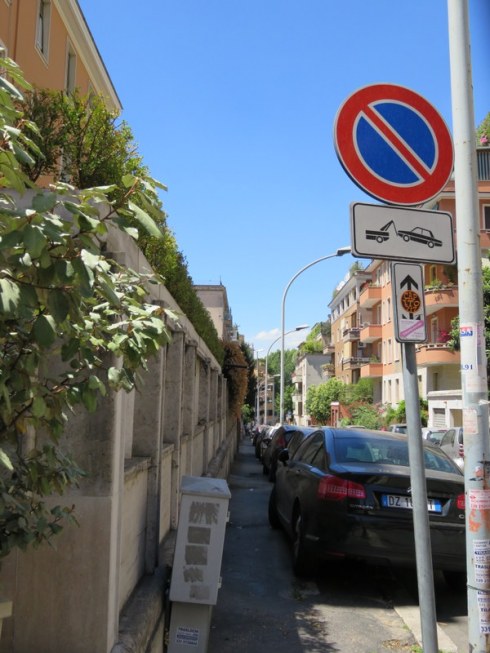
This is our street. We live in the orangey-pink building on the left. Note the tow-away zone yet cars parked half-on-half-off the sidewalk. There is a sticker on the sign right below the arrow that says "Capito?" Ha! Never, ever do they enforce the parking law here.

This is our street. We live in the orangey-pink building on the left. Note the tow-away zone yet cars parked half-on-half-off the sidewalk. There is a sticker on the sign right below the arrow that says “Capito?” Ha! Never, ever do they enforce the parking law here.


Things working and making sense
  • Buses have no schedule because the traffic is heavy and double-parking is so rampant that the bus cannot keep to a schedule. AND the bus drivers are willy-nilly about departures from the top-of-the-route, so often 2 or 3 buses on the same line are within 5 or 10 minutes of one another and then there will be no bus for 45 minutes. WTF? Funny how in Paris you can set your watch to the bus. In Paris, the parking laws are enforced. How novel.  
  • Websites with an “events” page last updated in 2013
  • Stores that close for the afternoon just about when you have time to actually go shopping, and Post Office hours that are 8:35 to 13:05.
  • Parking in the pedestrian crossings, or on sidewalks, or anywhere the driver damn well feels like it. Arrrggghhhhh!
  • Needing to pay the cable company when we disconnect service. Yup, it costs €200 to disconnect and 60 days notice to do so. We might just test this program by not following the rules….
We recently took a cab home from Stazione Termini and the driver was incredulous that we choose to live in Roma. “Why?” he asked. “America is great. Everything works! Italy is a third-world country!” Even Italians know things don’t work here as well as in the U.S.
Talbots, Zappos, & Nordstrom
I miss my favorite stores and online shopping. We have Amazon.it (not good for clothes), and Lands End U.K. (which is good for clothes). I hate going from one tiny store to another looking for something. 
Going out to breakfast now-and-then
Real American smoked bacon is missing from my life. Along with fluffy omelets and breakfast potatoes. I don’t need them often, but more often than twice in four years would be great. 
Reading the Sunday paper (You still have them, right?)
Still we are privileged to live here. In May, we celebrated four years in Rome. Il tempo vola! My grievances are so-called First World Problems. The food in Italy is terrific, the coffee unbeatable, and the wine both excellent and inexpensive. After a recent 7-night stay in Switzerland where we practically had to sell our blood to afford wine, Italy looks mighty affordable. Our rent is less than we’d pay in Portland and we have trains
We do miss you, though, America! Baci to our friends and family. 


Medico

24 Oct

Thanks to our overseas move, I’ve spent more time in medical offices in 2012 than I did in the ten years prior.  Dental, optical, general medical: you name it I had it checked. None of it because I was ill, mind you. I had hoped the appointments would end when we arrived, but a minor problem had me heading to a specialist in August. Luckily the Embassy refers us to English-speaking physicians so language is not a barrier. But there are surprising differences in our systems.

In Italy, staff is limited. The doctor met with me alone. Completely alone. There was no one else present, primarily I assumed because it was the end of the Ferragosto holiday period, but the experiences of friends – and one appointment Ric had – point to a trend: There is not a lot of support staff. One American doctor who is familiar with the situation here told me “they can’t afford a lot of extra people in the practice.” Still, there are not many American physicians who would treat a woman alone in his office, no one else even in shouting distance. There would be fear of allegations of inappropriate behavior. Maybe that happens here, too, but it doesn’t seem to paralyze. It certainly did not bother me.

It’s all about conversation. There were no forms to fill out or extraneous medical history. Just info pertinent to the problem at hand. Maybe that was because I was referred in and a foreigner.  (As an aside, I can’t even buy coffee at the Nespresso Store without having given my codice fiscale — sort of like a social security number or Tax ID — and it is not uncommon to be asked your date of birth as a form of ID, almost as nonchalantly as asking for a cell phone number.) The doctor simply engaged me in conversation: What is your problem and why are you here? What’s the family history? OK, let’s take a look.

Doctors do their own billing. Again confirmed by an Italian friend: yup, it’s routine if they want to get paid. I suppose this pertains only to private patients that are not on national healthcare, but imagine my surprise when I received an email from the doctor, at 8:00PM that same night, with a full report and bill.  (In a future post I’ll tell you about bill payment and banking. Another cultural shift.)  As if to prove it is not an anomaly, when Ric had a medical visit the doctor hand wrote an invoice and gave it to him. We were surrounded by fascinating and state-of-the-art healthcare and diagnostic technology, but the bill is written out long hand. It probably took less time to do it by hand than to submit the details to a billing department that would spew out an invoice. And neither Ric’s appointment nor mine cost nearly what one might expect from a specialist. Low-overhead = Sensible bills? Could be.

Doctors spend time with you.  Kaiser Permanente docs seem to have 15-minute increments for patient care. My doctor must have spent 75 minutes with me, not only on the medical issue at hand, but just talking: His vacation, my vacation, summer in Rome, working in an embassy, his time in Texas. It was nice. And he personally answered several emails.  The guy is a world-class vascular surgeon and he’s answering emails about my minor issue. No advice nurse, no middleperson, no gatekeeper receptionist. He even made my surgical appointment personally. (Although I did have a challenging moment in language use when I spoke to the hospital billing office. I always love it when they say my Italian is better than their English. That means their English is really limited. )

Doctors answer their own phones. Ric was given a phone number – turned out to be a cell phone – by the Embassy doc and called for an appointment. The specialist answered his own phone, made his own appointment, and when we arrived we found this excellent specialist in a one-man office. Very simple, very hands on, and (we think) very effective. There is no diluting the doctor-patient conversation. Need an ECG or an Echocardiogram? The doctor will do it.  No technician, no nurse, no waiting.

Patients have a greater degree of personal responsibility. Need lab tests? There’s a lab up the street. Send the doctor the results when you get them.  This means in all likelihood you will go for the lab test then have to go back in two days to get the results, scan them and email them to the doctor.

So no charming pictures of quaint villages this post. Just an observation of unique – not bad – cultural differences. Interestingly Italy is known for having the 2nd best health care system in the world (France is first). The U.S. is #37, but we spend more.  I’m sure some of the reason for the high-ranking is due to access to national healthcare, but they spend less than we do in the U.S., and rank higher. There’s no lack of knowledge or technology; these are good doctors with all the resources and expertise one would expect. But the story is not over. On Thursday I will have un piccolo intervento chirurgico (minor surgery). I’m sure I will have more stories.

OK you made it through an all text post. Here’s a beauty shot bonus. I can walk by this every weekend. SIGH.

Nobody does it better: Bernini’s Fountain of the Four Rivers, Piazza Navona.